Publication date: Available online 23 December 2016
Source:Pathology - Research and Practice
Author(s): Nathália Paiva de Andrade, Maria Fernanda Setúbal Destro Rodrigues, Camila Oliveira Rodini, Fabio Daumas Nunes
Oral squamous cell carcinoma (OSCC) is the most prevalent neoplasia of oral cavity worldwide and prognosis remains unchanged in decades. Recently, different authors reported that head and neck squamous cell carcinomas have a subpopulation of tumor initiating cells that apparently correspond to cancer stem cells (CSC) and are also responsible for tumor growth and metastasis. The purpose of the present study was to investigate the microscopic and phenotypic characteristics of OSCC tumors induced after orthotopic xenoimplantation of SCC9WT cell line and CSC-enriched subpopulation isolated from SCC9 cell line based on high expression of the putative CSC marker CD44. Different numbers of FACS-sorted SCC9 CD44high and CD44low cells as well as SCC9WT (wild type) were transplanted into the tongue of BALB/C nude (NOD/SCID) mice to evaluate their tumorigenic potential. Sixty days post-induction, tumors were morphologically characterized and immunostained for CSC markers (CD44, Nanog and Bmi-1), epithelial-mesenchymal transition (Snail, Slug) and epithelial differentiating cell markers (cytokeratins 4, 13, 15, 17 and 19), as well as E-cadherin and β-catenin. The data presented here shows that SCC9 CD44high cells have higher ability to form tumors than SCC9 CD44low cells, even when significantly lower numbers of SCC9 CD44high cells were transplanted. Immunoassessment of tumors derived from SCC9 CD44high cells revealed high expression of cytokeratin CK19, β-catenin, E-cadherin and CD44, and negative or low expression of CK17, CK4, CK15, CK13, Nanog, Bmi-1, Snail and Slug. While tumors derived from SCC9WT showed high expression of CK17, CK19, CD44, Nanog, Bmi-1, Snail and Slug, and negative or low expression of CK4, CK15, CK13, β-catenin and E-cadherin. Thus, SCC9 CD44high cells were highly tumorigenic, capable of originating heterogeneous tumors and these tumors have a immunohistochemical profile different from those formed by the wild type cell line.
http://ift.tt/2hjqI8g
Παρασκευή 23 Δεκεμβρίου 2016
Cancer stem cell, cytokeratins and epithelial to mesenchymal transition markers expression in oral squamous cell carcinoma derived from ortothopic xenoimplantation of CD44high cells

Synthesis of a Sulfonimidamide-Based Analog of Tasisulam and Its Biological Evaluation in the Melanoma Cell Lines SKMel23 and A375
Tasisulam is a promising antitumor agent with complex pharmacology, which is used as an antiproliferative agent in patients with metastatic melanoma and other solid tumors. Phase 2 melanoma studies showed promising results but had to be stopped because of insufficient tasisulam clearance leading to toxic side effects. To reduce the negative effects of tasisulam, we synthesized a novel sulfonimidamide-based analog to evaluate its antiproliferative effects in comparison to the original compound by performing a cell proliferation assay in melanoma cell lines SKMel23 and A375. The results revealed that the analog had inhibitory effects on the proliferation comparable to tasisulam in both investigated cell lines. These results could contribute to a reduced toxicity of tasisulam and lead to further clinical trials in metastatic melanoma.
Skin Pharmacol Physiol 2016;29:281-290
http://ift.tt/2i9dB6l
GAS2L1 Is a Centriole-Associated Protein Required for Centrosome Dynamics and Disjunction
Publication date: Available online 22 December 2016
Source:Developmental Cell
Author(s): Franco K.C. Au, Yue Jia, Kai Jiang, Ilya Grigoriev, Bill K.T. Hau, Yuehong Shen, Shengwang Du, Anna Akhmanova, Robert Z. Qi
Mitotic spindle formation and chromosome segregation require timely separation of the two duplicated centrosomes, and this process is initiated in late G2 by centrosome disjunction. Here we report that GAS2L1, a microtubule- and actin-binding protein, associates with the proximal end of mature centrioles and participates in centriole dynamics and centrosome disjunction. GAS2L1 attaches microtubules and actin to centrosomes, and the loss of GAS2L1 inhibits centrosome disjunction in G2 and centrosome splitting induced by depletion of the centrosome linker rootletin. Conversely, GAS2L1 overexpression induces premature centrosome separation, and this activity requires GAS2L1 association with actin, microtubules, and the microtubule end-binding proteins. The centrosome-splitting effect of GAS2L1 is counterbalanced by rootletin, reflecting the opposing actions of GAS2L1 and the centrosome linker. Our work reveals a GAS2L1-mediated centriole-tethering mechanism of microtubules and actin, which provide the forces required for centrosome dynamics and separation.
Teaser
Centrosome separation is crucial for bipolar spindle assembly and requires dissolution of the centrosomal linker, as well as actin and microtubule-based forces. Au, Jia et al. now show that GAS2L1, a centriole-localizing protein, links centrosomes to both microtubules and actin, thus promoting centrosome separation upon linker disassembly.http://ift.tt/2in6GWE
miR-263a Regulates ENaC to Maintain Osmotic and Intestinal Stem Cell Homeostasis in Drosophila
Publication date: Available online 22 December 2016
Source:Developmental Cell
Author(s): Kevin Kim, Ruei-Jiun Hung, Norbert Perrimon
Proper regulation of osmotic balance and response to tissue damage is crucial in maintaining intestinal stem cell (ISC) homeostasis. We found that Drosophila miR-263a downregulates the expression of epithelial sodium channel (ENaC) subunits in enterocytes (ECs) to maintain osmotic and ISC homeostasis. In the absence of miR-263a, the intraluminal surface of the intestine displays dehydration-like phenotypes, Na+ levels are increased in ECs, stress pathways are activated in ECs, and ISCs overproliferate. Furthermore, miR-263a mutants have increased bacterial load and expression of antimicrobial peptides. Strikingly, these phenotypes are reminiscent of the pathophysiology of cystic fibrosis (CF) in which loss-of-function mutations in the chloride channel CF transmembrane conductance regulator can elevate the activity of ENaC, suggesting that Drosophila could be used as a model for CF. Finally, we provide evidence that overexpression of miR-183, the human ortholog of miR-263a, can also directly target the expressions of all three subunits of human ENaC.
Graphical abstract

Teaser
Kim et al. demonstrate that miR-263a regulates the expression of the epithelial sodium channel ENaC to maintain osmotic and intestinal stem cell homeostasis. Furthermore, miR-263a mutants display phenotypes that are reminiscent of the pathophysiology of cystic fibrosis, suggesting that Drosophila could be used as a model for cystic fibrosis.http://ift.tt/2hPmVhX
Casein Kinase 1 Coordinates Cohesin Cleavage, Gametogenesis, and Exit from M Phase in Meiosis II
Publication date: Available online 22 December 2016
Source:Developmental Cell
Author(s): Orlando Argüello-Miranda, Ievgeniia Zagoriy, Valentina Mengoli, Julie Rojas, Katarzyna Jonak, Tugce Oz, Peter Graf, Wolfgang Zachariae
Meiosis consists of DNA replication followed by two consecutive nuclear divisions and gametogenesis or spore formation. While meiosis I has been studied extensively, less is known about the regulation of meiosis II. Here we show that Hrr25, the conserved casein kinase 1δ of budding yeast, links three mutually independent key processes of meiosis II. First, Hrr25 induces nuclear division by priming centromeric cohesin for cleavage by separase. Hrr25 simultaneously phosphorylates Rec8, the cleavable subunit of cohesin, and removes from centromeres the cohesin protector composed of shugoshin and the phosphatase PP2A. Second, Hrr25 initiates the sporulation program by inducing the synthesis of membranes that engulf the emerging nuclei at anaphase II. Third, Hrr25 mediates exit from meiosis II by activating pathways that trigger the destruction of M-phase-promoting kinases. Thus, Hrr25 synchronizes formation of the single-copy genome with gamete differentiation and termination of meiosis.
Graphical abstract

Teaser
Meiosis consists of two rounds of chromosome segregation, called meiosis I and II, followed by gamete formation. Argüello-Miranda, Zagoriy et al. show that in yeast, the conserved casein kinase 1δ Hrr25 coordinates the key events of meiosis II. The kinase induces chromatid segregation, gamete differentiation, and exit from meiosis II.http://ift.tt/2hPmWm1
Selective Lysosomal Transporter Degradation by Organelle Membrane Fusion
Publication date: Available online 22 December 2016
Source:Developmental Cell
Author(s): Erin Kate McNally, Mahmoud Abdul Karim, Christopher Leonard Brett
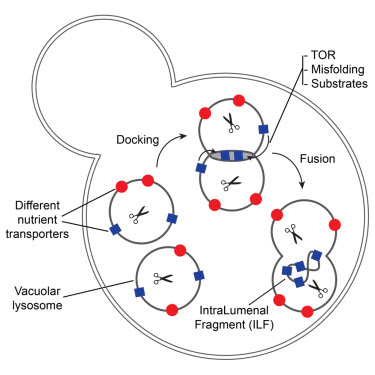
Lysosomes rely on their resident transporter proteins to return products of catabolism to the cell for reuse and for cellular signaling, metal storage, and maintaining the lumenal environment. Despite their importance, little is known about the lifetime of these transporters or how they are regulated. Using Saccharomyces cerevisiae as a model, we discovered a new pathway intrinsic to homotypic lysosome membrane fusion that is responsible for their degradation. Transporter proteins are selectively sorted by the docking machinery into an area between apposing lysosome membranes, which is internalized and degraded by lumenal hydrolases upon organelle fusion. These proteins have diverse lifetimes that are regulated in response to protein misfolding, changing substrate levels, or TOR activation. Analogous to endocytosis for controlling surface protein levels, the "intralumenal fragment pathway" is critical for lysosome membrane remodeling required for organelle function in the context of cellular protein quality control, ion homeostasis, and metabolism.
Graphical abstract
Teaser
Lysosomal nutrient transporters are crucial to cellular function. McNally et al. discover that they are regulated by selective sorting, during lysosomal fusion, into an area between apposing membranes that is then internalized and degraded. This ESCRT-independent process mediates protein quality control, responds to substrate levels, and is stimulated by TOR signaling.http://ift.tt/2hjqtdj
Cystic metastatic lymph nodes in malignant melanoma: a case report
Publication date: March–April 2017
Source:Clinical Imaging, Volume 42
Author(s): Eralda Mema, Emma Cho, Richard Ha, Bret Taback
Melanoma is a rare type of skin cancer with a high mortality rate. Local invasion and metastatic spread are primarily responsible for the morbidity and mortality of melanoma. While metastatic lesions vary from cystic to solid, cystic metastases can be challenging to diagnose. Up to date, there are only a few published studies that describe cystic metastases in melanoma and other conditions such as lymphoma, squamous cell carcinoma and thyroid papillary carcinoma. We describe a case of cystic metastatic axillary lymph nodes in a patient with subungual acral lentiginous melanoma and the challenges to reaching an accurate diagnosis.
http://ift.tt/2hyaGDE
Smoking environment cues reduce ability to resist smoking as measured by a delay to smoking task

Source:Addictive Behaviors, Volume 67
Author(s): Jennifer G. Stevenson, Jason A. Oliver, Matthew B. Hallyburton, Maggie M. Sweitzer, Cynthia A. Conklin, F. Joseph McClernon
Introduction: Environments associated with smoking may promote lapse and relapse in smokers attempting to quit. Here we examined the effects of exposure to visual smoking environment cues on smoking urge and the ability to resist smoking, as measured with a delay-to-smoking task in which monetary contingencies are provided for resisting smoking. Methods: Adult daily smokers (n=22) completed two experimental sessions, each following 6h smoking abstinence. Sessions differed only in the type of cue participants were exposed to (smoking environments vs. nonsmoking environments). Participants completed subjective ratings of smoking urge, withdrawal and other reactions (i.e. craving, affect). Behavioral outcomes on the delay-to-smoking task included latency to first cigarette, number of cigarettes smoked and average number of puffs per cigarette. Results: Across cue exposure sessions, 64% of participants initiated smoking (no effect of condition was observed). However, exposure to smoking environments as compared to the nonsmoking environments resulted in greater craving, faster initiation of smoking, and more smoked cigarettes. Greater craving was associated with a shorter time to initiate smoking, but this effect did not differ across sessions. In contrast, withdrawal was more strongly associated with number of cigarettes smoked during smoking environment sessions. Conclusion: Together, these results suggest smoking environments increase smoking urge and promote smoking behavior. Further research is necessary to examine the specific and interactive effects of smoking-related environments on real-world smoking lapse and relapse.
http://ift.tt/2i98S4B
Sponsoring Organizations and Liaisons

Source:The Journal of Prosthetic Dentistry, Volume 117, Issue 1
http://ift.tt/2i97VsY
Table of Contents
Source:The Journal of Prosthetic Dentistry, Volume 117, Issue 1
http://ift.tt/2i1Jq44
The Essentials
Source:The Journal of Prosthetic Dentistry, Volume 117, Issue 1
http://ift.tt/2i95O8H
News and Notes
Source:The Journal of Prosthetic Dentistry, Volume 117, Issue 1
http://ift.tt/2i1F24U
Editorial Board
Source:The Journal of Prosthetic Dentistry, Volume 117, Issue 1
http://ift.tt/2i9jeBt
The effect of trimethylamine N-oxide on Helicobacter pylori-induced changes of immunoinflammatory genes expression in gastric epithelial cells
Publication date: February 2017
Source:International Immunopharmacology, Volume 43
Author(s): Daoyan Wu, Mei Cao, Jingshan Peng, Ningzhe Li, Sijun Yi, Liju Song, Xuege Wang, Mao Zhang, Jian Zhao
Colonization of Helicobacter pylori (H. pylori) induces immune and inflammatory response in gastric mucosa. Trimethylamine N-oxide (TMAO), from diet and metabolite through the action of gut microbiota, has been linked to inflammatory diseases. To investigate the effects of TMAO and H. pylori infection on gene expression in gastric epithelial cells, Human gene chip Affymetrix HTA 2.0 was used in this study. 1312 genes were identified as differentially expressed genes in GES-1 cells with H. pylori and TMAO co-treatment compared to the control. GO and KEGG analyses indicated that the functions of these differentially expressed genes were related closely with immune inflammation. GO-network showed that Toll-like receptor signaling pathway was the most important biological processes and 49 up-regulated genes related to immune inflammation were obtained. The synergistic effects of H. pylori and TMAO enhanced the genes expression of IL-6, CXCL1, CXCL2, FOS and C3 related to immune inflammation in comparison with those of non-infected control cells, H. pylori-infected cells, and TMAO-stimulated cells. RT-PCR verified the expression levels of IL-6, CXCL1. Additionally, expression levels of 2053 genes were altered and 52 immunoinflammatory genes were upregulated in comparison with H. pylori-infected cells. This study suggested that TMAO altered the expression levels of immunoinflammatory genes induced by H. pylori infection, and the synergistic effects of H. pylori and TMAO provided novel insights into the development of chronic gastritis, gastric ulcer and gastric cancer.
http://ift.tt/2hPeFP6
Ponciretin attenuates ethanol-induced gastric damage in mice by inhibiting inflammatory responses
Publication date: February 2017
Source:International Immunopharmacology, Volume 43
Author(s): Geum-Dan Kang, Dong-Hyun Kim
BackgroundPoncirin (PO) and isosakuranetin (or ponciretin [PT]) are compounds found in fruits of the genus Citrus. They are frequently used in traditional Chinese medicine for the treatment of inflammation and asthma. Therefore, we examined their anti-gastritis effects in vitro and in vivo.MethodsThe anti-inflammatory effects of PO and PT were examined using ethanol- or LPS-stimulated KATO III cells. Gastritis was induced in ICR mice via intragastric injection of absolute ethanol. Levels of inflammatory markers were measured by enzyme-linked immunosorbent assay, immunoblotting, and quantitative polymerase chain reaction.ResultsTreatment with PT or PO inhibited the secretion of interleukin (IL)-8 and tumor necrosis factor (TNF) in ethanol- or LPS-stimulated KATO III cells. They also reduced the activation of nuclear factor kappa B (NF-κB). Pre-treatment with PT or PO significantly protected against ethanol-induced hemorrhagic gastritis, characterized by edema, tissue erosions, and mucosal friability in mice. Treatment with PT or PO suppressed ethanol-induced NF-κB activation and the release of TNF, IL-8, and IFN-γ. The protective effect of PT was greater than that of PO and comparable to ranitidine, a positive control.ConclusionPT may attenuate ethanol-induced gastritis by inhibiting the infiltration of immune cells, including neutrophils, via the regulation of CXCL4 (or IL-8) secretion and the activation NF-κB.
Graphical abstract

http://ift.tt/2in3M49
Genetic variants associated with skin aging in the Chinese Han population
Publication date: Available online 22 December 2016
Source:Journal of Dermatological Science
Author(s): Wenshan Gao, Jingze Tan, Anke Hüls, Anan Ding, Yu Liu, Mary S. Matsui, Andrea Vierkötter, Jean Krutmann, Tamara Schikowski, Li Jin, Sijia Wang
BackgroundThe progression and manifestation of human skin aging has a strong genetic basis; however, most of the supporting evidence has been gathered in Caucasian populations. The genetic contribution to the variation in skin aging in non-Caucasian populations is poorly understood.ObjectiveTo investigate the genetic risk factors of relevance for skin aging in East Asians, we conducted the first candidate gene study for signs of skin aging in Han Chinese.MethodsWe collected skin aging and genotype data in 502 female Han Chinese from the Taizhou cohort. We evaluated skin aging by the validated skin aging score SCINEXA™. Confounding factors were assessed through a questionnaire. We obtained the genotype data for 21 candidate SNPs and for a further 509 SNPs from 16 related candidate genes. Associations were tested by linear and logistic regression analyses and adjusted for potential confounders.ResultsOur candidate study found a significant association between SNP rs2066853 in exon 10 of the aryl hydrocarbon receptor gene AHR and crow's feet. In addition, we found a significant association between SNP rs10733310 in intron 5 of BNC2 and pigment spots on the arms, and between SNP rs11979919, 3kb downstream of COL1A2, and laxity of eyelids.ConclusionsOur results identified genetic risk factors for signs of skin aging (pigmentation, wrinkles or laxity) in Han Chinese. We also found that the manifestation of skin aging is further modified by anatomical site. Together with previous work, our results also suggest that different genetic variants could be responsible for distinct skin aging signs characteristic of Caucasians compared to East Asians.
http://ift.tt/2hPakvn
Constant light exposure impairs immune tolerance development in mice
Publication date: Available online 23 December 2016
Source:Journal of Dermatological Science
Author(s): Hiromi Mizutani, Risa Tamagawa-Mineoka, Yoichi Minami, Kazuhiro Yagita, Norito Katoh
BackgroundAn intrinsic daily physiological rhythm called circadian rhythm has been indicated to affect the immune system and its related diseases. Immune tolerance development is closely associated with the onset of immunological disorders. However, the effect of circadian rhythm in the mechanisms of immune tolerance development has not yet been fully understood.Objective: The purpose of this study was to investigate the effects of circadian rhythm disruption on the development of immune tolerance by the perturbation of light environment, using a mouse model of neonatally induced cutaneous tolerance.MethodsMice were kept under constant light (LL) or light-dark (LD) conditions, and hapten was applied at 2days after birth. Six weeks later, hapten was reapplied to abdominal skin, followed by hapten application to ear skin 5days later.ResultsThe ear-swelling responses and cell infiltration into inflamed skin significantly increased in LL mice compared with those in LD mice. Interestingly, the percentage and the number of Foxp3+-regulatory T cells notably decreased in inflamed skin and draining lymph nodes of LL mice compared with that in LD mice. Loss-of-function mutation of a key circadian gene, Bmal1, also exacerbated the ear-swelling responses and cell infiltration into inflamed skin in mice.ConclusionThese results suggest that circadian rhythm may be implicated in immune tolerance development in allergic inflammation.
http://ift.tt/2imP8d5
Fabrication of macromolecular gradients in aligned fiber scaffolds using a combination of in-line blending and air-gap electrospinning
Publication date: Available online 22 December 2016
Source:Acta Biomaterialia
Author(s): Alysha P. Kishan, Andrew B. Robbins, Sahar F. Mohiuddin, Mingliang Jiang, Michael R. Moreno, Elizabeth M. Cosgriff-Hernandez
Although a variety of fabrication methods have been developed to generate electrospun meshes with gradient properties, no platform has yet to achieve fiber alignment in the direction of the gradient that mimics the native tendon-bone interface. In this study, we present a method combining in-line blending and air-gap electrospinning to address this limitation in the field. A custom collector with synced rotation permitted fiber collection with uniform mesh thickness and periodic copper wires were used to induce fiber alignment. Two poly(ester urethane ureas) with different hard segment contents (BPUR 50, BPUR 10) were used to generate compositional gradient meshes with and without fiber alignment. The compositional gradient across the length of the mesh was characterized using a fluorescent dye and the results indicated a continuous transition from the BPUR 50 to the BPUR 10. As expected, the fiber alignment of the gradient meshes induced a corresponding alignment of adherent cells in static culture. Tensile testing of the sectioned meshes confirmed a graded transition in mechanical properties and an increase in anisotropy with fiber alignment. Finite element modeling was utilized to illustrate the gradient mechanical properties across the full length of the mesh and lay the foundation for future computational development work. Overall, these results indicate that this electrospinning method permits the fabrication of macromolecular gradients in the direction of fiber alignment and demonstrate its potential for use in interfacial tissue engineering.Statement of significanceThe native tendon-bone interface contains a gradient of properties that ensures stability of the joint. Notably, tendon cells are oriented in the direction of the interfacial gradient. Without this transition, failure can occur due to stress concentration at the bone insertion site. Electrospinning is a method commonly used to produce gradient fibrous meshes, however no current method allows for gradients in the direction of fiber alignment. As alignment can influence cellular behavior, and gradient properties can reduce stress concentration, a gradient parallel to fiber alignment could permit improved regeneration of the tendon-bone interface. This work details a novel electrospinning method to produce gradients (macromolecular, biochemical, cellular cues) in the direction of fiber alignment in order to better mimic transitional zones.
Graphical abstract

http://ift.tt/2hP53nz
Core-Shell Microparticles for Protein Sequestration and Controlled Release of a Protein-Laden Core
Publication date: Available online 21 December 2016
Source:Acta Biomaterialia
Author(s): Torri E. Rinker, Brandon D. Philbrick, Johnna S. Temenoff
Development of multifunctional biomaterials that sequester, isolate, and redeliver cell-secreted proteins at a specific timepoint may be required to achieve the level of temporal control needed to more fully regulate tissue regeneration and repair. In response, we fabricated core-shell heparin-poly(ethylene-glycol) (PEG) microparticles (MPs) with a degradable PEG-based shell that can temporally control delivery of protein-laden heparin MPs. Core-shell MPs were fabricated via a re-emulsification technique and the number of heparin MPs per PEG-based shell could be tuned by varying the mass of heparin MPs in the precursor PEG phase. When heparin MPs were loaded with bone morphogenetic protein-2 (BMP-2) and then encapsulated into core-shell MPs, degradable core-shell MPs initiated similar C2C12 cell alkaline phosphatase (ALP) activity as the soluble control, while non-degradable core-shell MPs initiated a significantly lower response (85+19% vs. 9.0+4.8% of the soluble control, respectively). Similarly, when degradable core-shell MPs were formed and then loaded with BMP-2, they induced a ∼7-fold higher C2C12 ALP activity than the soluble control. As C2C12 ALP activity was enhanced by BMP-2, these studies indicated that degradable core-shell MPs were able to deliver a bioactive, BMP-2-laden heparin MP core. Overall, these dynamic core-shell MPs have the potential to sequester, isolate, and then redeliver proteins attached to a heparin core to initiate a cell response, which could be of great benefit to tissue regeneration applications requiring tight temporal control over protein presentation.Statement of SignificanceTissue repair requires temporally controlled presentation of potent proteins. Recently, biomaterial-mediated binding (sequestration) of cell-secreted proteins has emerged as a strategy to harness the regenerative potential of naturally produced proteins, but this strategy currently only allows immediate amplification and re-delivery of these signals. The multifunctional, dynamic core-shell heparin-PEG microparticles presented here overcome this limitation by sequestering proteins through a PEG-based shell onto a protein-protective heparin core, temporarily isolating bound proteins from the cellular microenvironment, and re-delivering proteins only after degradation of the PEG-based shell. Thus, these core-shell microparticles have potential to be a novel tool to harness and isolate proteins produced in the cellular environment and then control when proteins are re-introduced for the most effective tissue regeneration and repair.
Graphical abstract

http://ift.tt/2hPc7At
Ex vivo blood vessel bioreactor for analysis of the biodegradation of magnesium stent models with and without vessel wall integration
Publication date: Available online 21 December 2016
Source:Acta Biomaterialia
Author(s): Juan Wang, Lumei Liu, Yifan Wu, Manfred F. Maitz, Zhihong Wang, Youngmi Koo, Ansha Zhao, Jagannathan Sankar, Deling Kong, Nan Huang, Yeoheung Yun
Current in vitro models fail in predicting the degradation rate and mode of magnesium (Mg) stents in vivo. To overcome this, the microenvironment of the stent is simulated here in an ex vivo bioreactor with porcine aorta and circulating medium, and compared with standard static in vitro immersion and with in vivo rat aorta models. In ex vivo and in vivo conditions, pure Mg wires were exposed to the aortic lumen and inserted into the aortic wall to mimic early- and long-term implantation, respectively. Results showed that: 1) Degradation rates of Mg were similar for all the fluid diffusion conditions (in vitro static, aortic wall ex vivo and in vivo); however, Mg degradation under flow condition (i.e. in the lumen) in vivo was slower than ex vivo; 2) The corrosion mode in the samples can be mainly described as localized (in vitro), mixed localized and uniform (ex vivo), and uniform (in vivo); 3) Abundant degradation products (MgO/Mg(OH)2 and Ca/P) with gas bubbles accumulated around the localized degradation regions ex vivo, but a uniform and thin degradation product layer was found in vivo. It is concluded that the ex vivo vascular bioreactor provides an improved test setting for magnesium degradation between static immersion and animal experiments and highlights its promising role in bridging degradation behavior and biological response for vascular stent research.Statement of SignificanceMagnesium and its alloys are candidates for a new generation of biodegradable stent materials. However, the in vitro degradation of magnesium stents does not match the clinical degradation rates, corrupting the validity of conventional degradation tests. Here we report an ex vivo vascular bioreactor, which allows simulation of the microenvironment with and without blood vessel integration to study the biodegradation of magnesium implants in comparison with standard in vitro test conditions and with in vivo implantations. The bioreactor did simulate the corrosion of an intramural implant very well, but showed too high degradation for non-covered implants. It is concluded that this system is in between static incubation and animal experiments concerning the predictivity of the degradation.
Graphical abstract

http://ift.tt/2hPgcoo
Fabrication of amorphous strontium polyphosphate microparticles that induce mineralization of bone cells in vitro and in vivo
Publication date: Available online 23 December 2016
Source:Acta Biomaterialia
Author(s): Werner E.G. Müller, Emad Tolba, Maximilian Ackermann, Meik Neufurth, Shunfeng Wang, Qingling Feng, Heinz C. Schröder, Xiaohong Wang
Here we describe the fabrication process of amorphous strontium-polyphosphate microparticles ("Sr-a-polyP-MP"). The effects of these particles on growth and gene expression were investigated with SaOS-2 cells as well as with human mesenchymal stem cells (MSC) and compared with those particles prepared of amorphous calcium-polyphosphate ("Ca-a-polyP-MP") and of strontium salt. The results revealed a markedly higher stimulation of growth of MSC by "Sr-a-polyP-MP" compared to "Ca-a-polyP-MP" and a significant increase in mineralization of SaOS-2 cells, as well as an enhanced upregulation of the expression of the genes encoding for alkaline phosphatase and the bone morphogenetic protein 2 (BMP-2), likewise performed with SaOS-2 cells. On the other hand, "Sr-a-polyP-MP" only slightly changes the expression of the osteocyte-specific sclerostin, a negative regulator of the canonical Wnt signaling pathway and an inhibitor of bone cell differentiation as well as of mineralization in SaOS-2 cells. In contrast, "Ca-a-polyP-MP" strongly increased the steady-state expression of the SOST (sclerostin) gene. In animal studies poly(d,l-lactide-co-glycolide (PLGA) microspheres, containing polyP particles, were implanted into critical-size calvarial defects in rats. The results show that the amorphous Sr-polyP-containing microspheres caused an increased healing/mineralization of the bone defect even after short implantation periods of 8 to 12 weeks, if compared to the β-tri-calcium phosphate control as well as to Ca-polyP. It is proposed that "Sr-a-polyP-MP" might elicit suitable properties to be applied as a regeneratively active implant material for bone repair.Statement of SignificanceIn this manuscript, we fabricated amorphous strontium-polyphosphate microparticles ("Sr-a-polyP-MP") and studied their effects on bone mineral formation in vitro as well as in vivo. In vitro, those particles substantially increased the expression of the genes encoding for alkaline phosphatase, the bone morphogenetic protein 2 and the mineralization. In vivo, the "Sr-a-polyP-MP" packed into PLGA microspheres and implanted into critical-size calvarial defects in rats resulted in a speeded up of the healing/mineralization of the bone defect. Those properties qualify Sr-a-polyP as a suitable biomaterial for bone regenerative implants.
Graphical abstract

http://ift.tt/2hP7EOr
A Multi-scale Method for Modelling Degradation of Bioresorbable Polyesters
Publication date: Available online 23 December 2016
Source:Acta Biomaterialia
Author(s): Taohong Zhang, Shaonan Zhou, Xiaohao Gao, zhiyong Yang, Leran Sun, Dezheng Zhang
A multi-scale model using the Cellular Automata (CA) and kinetic Monte Carlo (KMC) methods is presented to simulate the degradation process of bioresorbable polyesters such as polylactide (PLA), polyglycolide (PGA) and their copolymers. The model considers the underlying chemical and physical events such as polymer chain scission, oligomer production, crystallisation induced by polymer chain scissions, oligomer diffusion and microstructure evolution due to erosion of the small chains. A macroscopic device is discretized into an array of mesoscopic cells. Each cellular lattice is assumed to be made of one polymer chain, which undergoes hydrolysis reaction. The polymer chain scission is modelled using a kinetic Monte Carlo method. Oligomer production, chain crystallization and formation of cavities due to polymer collapse are also modelled on the cellular lattice. Oligomer diffusion is modelled by using Fick's laws at the macroscopic scale. The diffusion coefficient is taken as dependent on the porosity caused by the formation of the cavities. The interactions among the microscopic hydrolysis reaction, mesoscopic formation of cavities and macroscopic diffusion are taken into account. The proposed method forms Multi Scale Cellular Monte Carlo Automata (MS-CMCA). The three-scale approach consists of continuous method and discrete method to deal with certainty problem with underlying stochastic phenomenon. Demonstration examples are provided which show that the model can fit with experimental data in the literature very well.Statement of SignificanceThe original work in this paper is a multi-scale method (including micro scale, mesoscopic scale, macro scale and their coupling) for modeling degradation of bioresorbable polyesters and provides understanding to the process of degradation of biodegradable polymers. The result denotes the solution is reliable.As we know, there have no papers recently to implement three scales modeling and its coupling. There is a two-scale model of amorphous polyester degradation described by Han and Pan (Acta Biomaterialia 2011), our model accounts for effects of re-crystallization to explain the degradation process from three scales and takes into account of copolymers.From our model, the molecular weight distribution with time, chain number with time, degree of crystallinity with time, the evolution of polymer inner shape, weight loss with time (which is found from calculation that both oligomer diffusion and small molecules solution work to the weight loss) can be obtained from the calculation of the three scale model.
Graphical abstract

http://ift.tt/2hP8Ktm
Tropoelastin Inhibits Intimal Hyperplasia of Mouse Bioresorbable Arterial Vascular Grafts
Publication date: Available online 23 December 2016
Source:Acta Biomaterialia
Author(s): Tadahisa Sugiura, Riddhima Agarwal, Shuhei Tara, Tai Yi, Yong-Ung Lee, Christopher K. Breuer, Anthony S. Weiss, Toshiharu Shinoka
Neointimal hyperplasia, which results from the activation, proliferation and migration of vascular smooth muscle cells (SMCs), is a detrimental condition for vascular stents or vascular grafts that leads to stenosis. Preventing neointimal hyperplasia of vascular grafts is critically important for the success of arterial vascular grafts. We hypothesized that tropoelastin seeding onto the luminal surface of the graft would prevent neointimal hyperplasia through suppressing neointimal smooth muscle cell proliferation. In this study, we investigated the efficacy of tropoelastin seeding in preventing neointimal hyperplasia of bioresorbable arterial vascular grafts. Poly (glycolic acid) (PGA) fiber mesh coated with poly (l-lactic-co-ε-caprolactone) (PLCL) scaffolds reinforced by poly (l-lactic acid) (PLA) nano-fibers were prepared as bioresorbable arterial grafts. Tropoelastin was then seeded onto the luminal surface of the grafts. Tropoelastin significantly reduced the thickness of the intimal layer. This effect was mainly due to a substantial reduction the number of cells that stained positive for SMC (α-SMA) and PCNA in the vessel walls. Mature elastin and collagen type I and III were unchanged with tropoelastin treatment. This study demonstrates that tropoelastin seeding is beneficial in preventing SMC proliferation and neointimal hyperplasia in bioresorbable arterial vascular grafts.Statement of SignificanceSmall resorbable vascular grafts can block due to the over-proliferation of smooth muscle cells in neointimal hyperplasia. We show here that this the proliferation of these cells is restricted in this type of graft.This is achieved with a simple dip, non-covalent coating of tropoelastin. This is in principle amendable to other grafts and is therefore an attractive process.This study is particularly significant because: (1) it shows that smooth muscle cell proliferation can be reduced while still accommodating the growth of endothelial cells, (2) small vascular grafts with an internal diameter of less than 1 mm are amenable to this process, and (3) this process works for resorbable grafts.
Graphical abstract

http://ift.tt/2hPhuQ7
Biocompatibility and bioactivity of porous polymer-derived Ca-Mg silicate ceramics
Publication date: Available online 23 December 2016
Source:Acta Biomaterialia
Author(s): L. Fiocco, S. Li, M.M. Stevens, E. Bernardo, J.R. Jones
Magnesium is a trace element in the human body, known to have important effects on cell differentiation and the mineralisation of calcified tissues. This study aimed to synthesise highly porous Ca-Mg silicate foamed scaffolds from preceramic polymers, with analysis of their biological response. Akermanite (Ak) and wollastonite-diopside (WD) ceramic foams were obtained from the pyrolysis of a liquid silicone mixed with reactive fillers. The porous structure was obtained by controlled water release from selected fillers (magnesium hydroxide and borax) at 350 °C. The homogeneous distribution of open pores, with interconnects of modal diameters of 160-180 μm was obtained and maintained after firing at 1100 °C. Foams, with porosity exceeding 80%, exhibited compressive strength values of 1-2 MPa. In vitro studies were conducted by immersion in SBF for 21 days, showing suitable dissolution rates, pH and ionic concentrations. Cytotoxicity analysis performed in accordance with ISO10993-5 and ISO10993-12 standards confirmed excellent biocompatibility of both Ak and WD foams. In addition, MC3T3-E1 cells cultured on the Mg-containing scaffolds demonstrated enhanced osteogenic differentiation and the expression of ostegenic markers including Collagen Type I, Osteopontin and Osteocalcin, in comparison to Mg-free counterparts. The results suggest that the addition of magnesium can further enhance the bioactivity and the potential for bone regeneration applications of Ca-silicate materials.Statements of SignificanceHere, we show that the incorporation of Mg in Ca-silicates plays a significant role in the enhancement of the osteogenic differentiation and matrix formation of MC3T3-E1 cells, cultured on polymer-derived highly porous scaffolds. Reduced degradation rates and improved mechanical properties are also observed, compared to Mg-free counterparts, suggesting the great potential of Ca-Mg silicates as bone tissue engineering materials. Excellent biocompatibility of the new materials, in accordance to the ISO10993-5 and ISO10993-12 standard guidelines, confirms the preceramic polymer route as an efficient synthesis methodology for bone scaffolds. The use of hydrated fillers as porogens is an additional novelty feature presented in the manuscript.
Graphical abstract

http://ift.tt/2hP2kdN
Collagen Tethering of Synthetic Human Antimicrobial Peptides Cathelicidin LL37 and its Effects on Antimicrobial Activity and Cytotoxicity
Publication date: Available online 23 December 2016
Source:Acta Biomaterialia
Author(s): Lindsay D. Lozeau, Jonian Grosha, Denis Kole, Fioleda Prifti, Tanja Dominko, Terri A. Camesano, Marsha W. Rolle
Wound infections, particularly of chronic wounds, pose a substantial challenge for designing antimicrobial dressings that are both effective against pathogens, and do not interfere with wound healing. Due to their broad-spectrum antimicrobial and immunomodulatory activities, naturally-occurring antimicrobial peptides (AMPs) are promising alternative treatments. However, their cytotoxicity at high concentrations and poor stability hinders their clinical use. To mitigate these undesirable properties, we investigated the effects of tethering human AMP cathelicidin LL37 to collagen, one of the main extracellular matrix proteins in wound sites, secreted by fibroblasts, and in commercially-available wound dressings. The active domain of human AMP cathelicidin, LL37, and two chimeric peptides containing LL37 fused to collagen binding domains (derived from collagenase – cCBD-LL37 or fibronectin - fCBD-LL37) were synthesized and adsorbed to PURACOL® type I collagen scaffolds. After 14 days, 73%, 81% and 99% of LL37, cCBD-LL37 and fCBD-LL37, respectively, was retained on the scaffolds and demonstrated undiminished antimicrobial activity when challenged with both Gram-positive and Gram-negative bacterial strains. Loaded scaffolds were not cytotoxic to fibroblasts despite retaining peptides at concentrations 24 times higher than the reported cytotoxic concentrations in solution. These findings indicate that biopolymer-tethered AMPs may represent a viable alternative for preventing and treating wound infection while also supporting tissue repair.Statement of significanceOver 6.5 million people annually in the United States suffer chronic wounds; many will become infected with antibiotic-resistant bacteria. Treatments used to prevent and fight infection are toxic and may hinder wound healing. To overcome treatments gaps, we functionalized collagen scaffolds with chimeric antimicrobial peptides (AMPs) with collagen binding domains to create antimicrobial and non-cytotoxic scaffolds that may promote healing. AMPs are broad-spectrum antimicrobials that also promote healing; however, their instability and toxicity are major challenges. This is the first report of CBD-mediated, delivery of AMPs onto collagen scaffolds that demonstrates no cytotoxicity toward fibroblasts. This study also suggests that retention of antimicrobial activity is CBD-dependent, which provides foundations for fundamental studies of CBD-AMP mechanisms and clinical explorations.
Graphical abstract

http://ift.tt/2hP22U6
Endosteal-like extracellular matrix expression on melt electrospun written scaffolds
Publication date: Available online 22 December 2016
Source:Acta Biomaterialia
Author(s): Maria Lourdes Muerza-Cascante, Ali Shokoohmand, Kiarash Khosrotehrani, David Haylock, Paul D. Dalton, Dietmar W. Hutmacher, Daniela Loessner
Tissue engineering technology platforms constitute a unique opportunity to integrate cells and extracellular matrix (ECM) proteins into scaffolds and matrices that mimic the natural microenvironments in vitro. The developments of tissue-engineered 3D models that mimic the endosteal microenvironment enable researchers to discover the causes and improve treatments for blood and immune-related diseases. The aim of this study was to establish a physiologically relevant in vitro model using 3D printed scaffolds to assess the contribution of human cells to the formation of a construct that mimics human endosteum. Melt electrospun written scaffolds were used to compare the suitability of primary human osteoblasts (hOBs) and placenta-derived mesenchymal stem cells (plMSCs) in (non-)osteogenic conditions and different surface treatments. Using osteogenic conditions, hOBs secreted a dense ECM with enhanced deposition of endosteal proteins, such as fibronectin and vitronectin, and osteogenic marker proteins, such as osteopontin and alkaline phosphatase, compared to plMSCs. The expression patterns of these proteins were reproducibly identified in hOBs derived from three individual donors. Calcium phosphate-coated scaffolds induced the expression of osteocalcin by hOBs when maintained in osteogenic conditions. The tissue-engineered endosteal microenvironment supported the growth and migration of primary human haematopoietic stem cells (HSCs) when compared to HSCs maintained using tissue culture plastic. This 3D testing platform represents an endosteal bone-like platform and warrants future investigation for the maintenance and expansion of human HSCs.Statement of SignificanceThis work is motivated by the recent interest in melt electrospinning, a 3D printing technique used to produce porous scaffolds for biomedical applications in regenerative medicine. Our team has been among the pioneers in building a new class of melt electrospinning devices for scaffold-based tissue engineering. These scaffolds allow structural support for various cell types to invade and deposit their own extracellular matrix, mimicking a characteristic 3D microenvironment for experimental studies.We used melt electrospun written polycaprolactone scaffolds to develop an endosteal bone-like tissue that promotes the growth of hematopoietic stem cells. We combine tissue engineering concepts with materials science, cell biology and stem cell research to design a physiologically relevant niche that is of interest to the scientific community.
Graphical abstract

http://ift.tt/2hP0yt7
Continued Benefit to Rectal Separation for Prostate RT: Final Results of a Phase III Trial
Source:International Journal of Radiation Oncology*Biology*Physics
Author(s): Daniel A. Hamstra, Neil Mariados, John Sylvester, Dhiren Shah, Lawrence Karsh, Richard Hudes, David Beyer, Steven Kurtzman, Jeffrey Bogart, R. Alex Hsi, Michael Kos, Rodney Ellis, Mark Logsdon, Shawn Zimberg, Kevin Forsythe, Hong Zhang, Edward Soffen, Patrick Francke, Constantine Mantz, Peter Rossi, Theodore DeWeese, Stephanie Daignault-Newton, Benjamin W. Fischer-Valuck, Anupama Chundury, Hiram Gay, Walter Bosch, Jeff Michalski
BackgroundSpaceOAR®, an FDA approved hydrogel intended to create rectal-prostate space, was evaluated in a single blind Phase III trial of image-guided intensity-modulated RT (IG-IMRT, XXXX XXXX, IJROBP 2015). Men (n=222) were randomized 2:1 (Spacer:Control) receiving 79.2/1.8 Gy to prostate ± seminal vesicles. We now report final results with 3-year median follow-up.Materials and MethodsCumulative (CTCAE v 4.0) toxicity was evaluated by log-rank test. For quality-of-life (QOL) the Expanded Prostate Cancer Index Composite (EPIC) was utilized and mean changes from baseline in EPIC domains were tested by repeated measures models. Proportions of men with minimally important differences (MID) in each domain were tested using repeated measures logistic models with pre-specified thresholds.ResultsThe 3-year incidence of rectal toxicity of grade >=1 (9.2% vs 2.0%, p=0.028) and >=2 (5.7% vs 0%, p=0.012) favored Spacer. Grade 1+ urinary incontinence was also lower in the Spacer arm (15% vs. 4%, p=0.046) with no difference in grade 2+ urinary toxicity (7% vs 7% p=0.7). From 6-months onward bowel QOL consistently favored Spacer (p=0.002) with the difference at 3-years (5.8-points, p<0.05) meeting threshold for a MID. Interestingly, Control men at 3-years had a 3.9-point greater decline in urinary QOL vs Spacer (p<0.05) but did not meet the MID threshold. At 3- years more men had a MID decline in bowel QOL for Control vs. Spacer (41% vs. 14%, p=0.002) as well as for urinary QOL (30% vs 17%, p=0.04).Further, Control men were also more likely to see large declines (twice MID) in bowel (21% vs 5%, p=0.02) and urinary QOL (23% vs. 8%, p=0.02).ConclusionThe benefit of a hydrogel spacer in reducing rectal dose, toxicity, and QOL declines following IG-IMRT for prostate cancer were aintained or increased with longer follow-up providing stronger evidence for the benefit of hydrogel spacer for prostate radiotherapy.
Teaser
A phase 3 trial was performed using an absorbable hydrogel (SpaceOAR System®) to provide space between the prostate and rectum for men receiving dose-escalated prostate radiotherapy. At 3-years men on the Spacer arm had decreased bowel toxicity and less decline in both urinary and bowel quality of life as compared to Control men.http://ift.tt/2hfAEhy
Overprotective Social Support Leads to Increased Cardiovascular and Subjective Stress Reactivity.

Source:Biological Psychology
Author(s): Richard Zniva, Paul Pauli, Stefan M. Schulz
ObjectiveSelf-determination theory suggests that autonomy-enhancing social support helps individuals to perceive stressors as challenging rather than stressing. Overprotective support may reduce stress in the short-run but undermines autonomy, thus hampering stress-coping in the long run, particularly when social support is terminated.MethodHeartrate, blood-pressure and ratings were examined in N=44 undergraduate students receiving autonomy support (calculation steps) or overprotection (solutions) from a close friend or no support for solving arithmetic tasks as well as during a subsequent stress-challenge (solving arithmetic tasks alone).ResultsOverprotection resulted in increased heartrate, diastolic blood-pressure, stress ratings, and decreased subjective control during stress-challenge. Autonomy support did not lead to unfavorable stress responding.ConclusionThe current findings are in line with assumptions derived from self-determination theory and indicate that autonomy support can help to prevent stress. Overprotection does not buffer stress and is associated with increased stress when discontinued.
http://ift.tt/2hZv3uq
Matrix Metalloproteinase 14 promotes lung cancer by cleavage of Heparin-Binding EGF-like Growth Factor
Publication date: February 2017
Source:Neoplasia, Volume 19, Issue 2
Author(s): Marcin Stawowczyk, Max D. Wellenstein, Sharrell B. Lee, Shira Yomtoubian, Anna Durrans, Hyejin Choi, Navneet Narula, Nasser K. Altorki, Dingcheng Gao, Vivek Mittal
Molecularly targeted therapies benefit approximately 15–20% of non-small cell lung cancer (NSCLC) patients carrying specific drug-sensitive mutations. Thus, there is a clinically unmet need for the identification of novel targets for drug development. Here, we performed RNA-deep sequencing to identify altered gene expression between malignant and non-malignant lung tissue. Matrix Metalloproteinase 14 (MMP14), a membrane-bound proteinase, was significantly up-regulated in the tumor epithelial cells and intratumoral myeloid compartments in both mouse and human NSCLC. Overexpression of a soluble dominant negative MMP14 (DN-MMP14) or pharmacological inhibition of MMP14 blocked invasion of lung cancer cells through a collagen I matrix in vitro and reduced tumor incidence in an orthotopic K-RasG12D/+p53−/− mouse model of lung cancer. Additionally, MMP14 activity mediated proteolytic processing and activation of Heparin-Binding EGF-like Growth Factor (HB-EGF), stimulating the EGFR signaling pathway to increase proliferation and tumor growth. This study highlights the potential for development of therapeutic strategies that target MMP14 in NSCLC with particular focus on MMP14-HB-EGF axis.
http://ift.tt/2ijKK2s
Provision of Rehabilitation Services in Residential Care Facilities: Evidence from a National Survey
Publication date: Available online 23 December 2016
Source:Archives of Physical Medicine and Rehabilitation
Author(s): Soumitra S. Bhuyan, Aastha Chandak, Niodita Gupta, David Wyant, Jungyoon Kim, Jay Bhatt, Ayesha Singh, Sean Gilmore, SangNam Ahn, Cyril F. Chang
ObjectiveThe objective of this study is to examine the association between organizational factors and provision of rehabilitation services that include physical therapy (PT) and occupational therapy (OT) in Residential Care Facilities in the United States.DesignThis is a cross-sectional, observational study conducted using a national sample from the 2010 National Survey of Residential Care Facilities (NSRCF) conducted by the Center for Disease Control and Prevention's National Center for Health Statistics.SettingsU.S. Residential Care FacilitiesParticipants2302 RCFs (Weighted Sample: 31,134 RCFs)InterventionsNoneMain Outcome MeasuresWe assessed the association between characteristics of the facilities, director and staff, and residents, and provision of PT and OT services using multivariate logistic regression analyses.ResultsAmong all the RCFs in the United States, 43.9% provided PT and 40.0% provided OT. Medicaid-certified RCFs, larger-sized RCFs, RCFs with a licensed director, RCFs that used volunteers, and RCFs with higher personal care aide hours per patient per day were more likely to provide both PT and OT, while private, for-profit RCFs were less likely to provide PT and OT. RCFs with a higher percentage of white residents were more likely to provide PT, while RCFs with chain affiliation were more likely to provide OT.ConclusionLess than half of the RCFs in the U.S. provide PT and OT, and this provision of therapy services is associated with organizational characteristics of the facilities. Future research should explore the effectiveness of rehabilitation services in RCFs on residents' health outcomes.
http://ift.tt/2hjbu3b
Effect of unmodulated 5-KHz alternating currents versus Transcutaneous Electrical Nerve Stimulation on mechanical and thermal pain, tactile threshold, and peripheral nerve conduction: a double-blind, placebo-controlled, crossover trial
Publication date: Available online 23 December 2016
Source:Archives of Physical Medicine and Rehabilitation
Author(s): Juan Avendaño-Coy, Julio Gómez-Soriano, Carlos Goicoechea-García, Julian Angel Basco-López, Julian Taylor
ObjectiveTo investigate the effect of unmodulated 5-KHz alternating current on mechanical pain threshold (MPT), heat pain threshold (HPT), tactile threshold (TT), and peripheral nerve conduction (PNC) compared to TENS and sham stimulationSettingNational referral centerDesignRandomised double-blind placebo controlled crossover trial.ParticipantsThirty-eight healthy volunteers. No dropouts or adverse events were reported.InterventionTENS, unmodulated 5-KHz currents, and sham stimulation were applied on the radial nerve for 20 minutes with a 24-hour washout period between them and concealed intervention allocation.Main outcome measuresFour measures pre-, during and 2 post-interventions. Algometry was used to assess MPT, a Peltier thermode for HPT using the method of limits, Von Frey filaments for TT, and radial nerve compound action potential (CAP).ResultsNo differences were observed on MPT, HPT, and PNC when 5-KHz and TENS were compared. However, TT increased 56.2 mN (95% CI 28.8-83.6) in TENS group compared to 5-KHz group during intervention. Compared to sham stimulation during intervention, MPT increased 4.7N (95% CI 0.3-9.2) using 5-KHz and 10.4N (95% CI 3.517.3) with TENS. TT increased 17.2 mN (95% CI 4.7-29.7) with 5-KHz and 73.4 mN (95% CI 47.5-99.2) with TENS. However, HPT increased 1.0 ºC (95% CI 0.2-2.0) only with TENS. For the PNC, no differences were found among the three groups.ConclusionUnmodulated 5-KHz current produced an increase in somatosensory thresholds that was greater than placebo but not when compared TENS; however, participants perceived 5-KHz currents more comfortable and showed more habituation to them.
http://ift.tt/2h8Dxxp
Utility of post-therapy brain surveillance imaging in the detection of primary central nervous system lymphoma relapse

Source:European Journal of Cancer, Volume 72
Author(s): Gaëlle Fossard, Céline Ferlay, Emmanuelle Nicolas-Virelizier, Philippe Rey, François Ducray, Emmanuel Jouanneau, Pierre Faurie, Amine Belhabri, Marie-Pierre Sunyack, Catherine Chassagne-Clément, Philippe Thiesse, Catherine Sebban, Pierre Biron, Jean-Yves Blay, Hervé Ghesquières
BackgroundThe optimal follow-up strategy for primary central nervous system lymphoma (PCNSL) patients after first-line therapy is unclear. The goal of this study is to determine the utility of planned brain surveillance imaging in the detection of relapse in a retrospective cohort of PCNSL patients.MethodsPatients were consecutive PCNSL cases treated in Leon Berard Cancer Centre, Lyon, France, from 1985 to 2011. Histology was diffuse large B-cell lymphoma in 94%. Patients were treated by methotrexate (92%) and cytarabine (63%) based-chemotherapy followed by radiotherapy for 108 patients (51%). Clinical records were reviewed for details at relapse and relationship to planned imaging. The imaging follow-up strategy was performed according to each treating physicians.ResultsAmong 209 PCNSL patients, 127 complete response patients entered in post-treatment observation and 63 (50%) subsequently relapsed. Among the 125 evaluable patients, the majority of relapses (N = 49, 80%) was asymptomatic and identified before the planned brain imaging. Surveillance imaging detected relapses before symptoms in 12 patients who entered in post-therapy observation (10%). The median number of brain imaging during the follow-up was 7 (0–13). A total of 819 MRI/CT-scan were performed leading to the detection of 12 asymptomatic relapses. The one year OS rates were 41% and 58% for symptomatic and non-symptomatic relapses, respectively (P = 0.21).ConclusionThe majority of PCNSL relapses occurred outside planned follow-up with no difference in patient outcome between symptomatic and asymptomatic relapses. The role of brain imaging for the detection of relapses in the follow-up of PCNSL patients remains to be clarified.
http://ift.tt/2hjaxYG
Facile electrophoretic deposition of functionalized Bi2O3 nanoparticles
Publication date: 15 February 2017
Source:Materials & Design, Volume 116
Author(s): Gaolong Zhu, Wei Yang, Weiqiang Lv, Jiarui He, Kechun Wen, Weirong Huo, Jun Hu, Muhammad Waqas, James H. Dickerson, Weidong He
In this work, we prepared uniform Bi2O3 nano-films through facile electrophoretic deposition (EPD) based on stable Bi2O3 nanoparticle suspension. The suspension was obtained by ball-milling Bi2O3 micro-particles in distilled water and employing paper-manufacturing waste sodium lignin sulfonate (MZS) as dispersant. The correlation between the stability of Bi2O3 nanoparticle suspension and EPD parameters including electrostatic repulsion, steric hindrance, and attractive van der Waals force was investigated. The thickness of Bi2O3 films was controlled by adjusting the voltage and time of EPD. This work opens up the opportunity for bismuth oxide nanoparticles to be assembled efficiently for various applications.
Graphical abstract

http://ift.tt/2h8BMjO
Strengthening of Zircaloy-4 using Y2O3 particles by a laser-beam-induced surface treatment process
Publication date: 15 February 2017
Source:Materials & Design, Volume 116
Author(s): Yang-Il Jung, Hyun-Gil Kim, Il-Hyun Kim, Sun-Han Kim, Jung-Hwan Park, Dong-Jun Park, Jae-Ho Yang, Yang-Hyun Koo
The mechanical strength of Zircaloy-4 was enhanced by surface treatment consisting of laser beam scanning of an oxide-coated Zircaloy-4 sheet. An yttrium oxide (Y2O3) coating 7–55μm thick was applied to Zircaloy-4 sheets. Then, a laser beam was used to form a dispersed oxide layer on the Zircaloy-4 metal surface. The thickness of the dispersed oxide layer varied from 80 to 200μm depending on the process parameters. Tensile tests of samples having both surfaces treated were conducted at room temperature and 380°C. The tensile strength of Zircaloy-4 at room temperature was increased by up to 20% with the formation of a thin dispersed oxide layer with a thickness<10% of that of the Zircaloy-4 substrate. However, the tensile elongation of the samples decreased drastically. The decreased ductility became insignificant as the testing temperature increased to 380°C. The strengthening of the fabricated samples could be explained by two mechanisms: (i) oxide particles dispersed in the metallic matrix and (ii) the phase transformation in Zircaloy-4.
Graphical abstract

http://ift.tt/2h8ywoz
Design of friction and wear resistant titanium- and cobalt-modified nickel-base repair alloys by spray forming
Publication date: 15 February 2017
Source:Materials & Design, Volume 116
Author(s): Hangboce Yin, Yi Xu, Xinggang Li, Weirong Chang, Yan Zhou
Powder injection molding (PIM) is a newly developed method for repairing gas turbine components in recent years. However, the PIM method needs a sacrificial binder, which increases working procedure and cost. To overcome this disadvantage, a new method of maintenance, i.e. spray forming (SF) technique, is put forward in this study. Three kinds of Ni-base repair alloys have been designed and prepared by the SF process. And these alloys were subjected to friction, wear and material analysis tests. Results reveal that the alloy with high titanium and cobalt content has the best friction and wear resistance. The increase in titanium and cobalt content will result in the increase of γ/γ′ misfit, grain size, and coherent γ′ size, and enhance the formation of good oxides lubricants, which leads to a decrease of the coefficient of friction. Moreover, with increasing titanium and cobalt content, the predominant wear mechanism changes from delamination wear to abrasive wear and adhesive wear. The high titanium and cobalt content give a large improvement in wear resistance by strongly hindering dislocations motion and reducing crack growth rate, which resists delamination wear.
Graphical abstract

http://ift.tt/2h8DMs1
Mesoscale study of steel fibre-reinforced ultra-high performance concrete under static and dynamic loads
Publication date: 15 February 2017
Source:Materials & Design, Volume 116
Author(s): Yu Su, Jun Li, Chengqing Wu, Pengtao Wu, Ming Tao, Xibing Li
In this paper, a three-dimensional numerical model to study the static and dynamic behaviour of ultra-high performance steel fibre reinforced concrete is developed. Ultra-high performance steel fibre reinforced concrete is assumed to be a two-phase model consisting of concrete matrix and steel fibres. The concrete matrix is modelled with homogeneous material and the straight round steel fibres are assumed to be dispersed with random locations and orientations in the matrix. The interfacial transition zone (ITZ) effect is studied based on the single fibre pull-out tests, and parameters describing the fibre-matrix one dimensional bond-slip behaviour are obtained and discussed based on both experimental and theoretical results. After the three-dimensional model is validated with static split tensile tests, split Hopkinson pressure bar (SHPB) split tensile tests are numerically modelled and the stress-time history is interpreted in the mesoscale level. The proposed model qualitatively and quantitatively predicts the material static and dynamic behaviours, and also gives insights on the fibre reinforcement effect in the concrete matrix.
Graphical abstract

http://ift.tt/2h8EK7C
Control of shaping and thermal resistance of metakaolin-based geopolymers
Publication date: 15 February 2017
Source:Materials & Design, Volume 116
Author(s): A. Sabbatini, L. Vidal, C. Pettinari, I. Sobrados, S. Rossignol
This paper presents results from experimental studies on the thermal resistance and dilatometry analysis of various geopolymer formulations, which were prepared by mixing alkaline solutions, metakaolin and reinforcements. Nine compositions were tested by dilatometric analysis and thermal resistance at high temperature (800°C). Structural and microstructural analysis was conducted to verify the geopolymerization, and differential thermogravimetric analysis was performed to evaluate the nature of water, depending on the formulation. Some key parameters were identified as critical parameters that influenced the geopolymer properties, such as the nature (Na or K) and the molar concentration of the alkaline cation ([M]<16mol/L), the molar concentration of silicon ([Si]<39mol/L) and the alkaline metal to aluminum ratio (M/Al<0.65). Finally, it was possible to arrange the various formulations in a ternary scheme as functions of the metal, aluminum and silicon concentrations. This scheme may represent a roadmap for controlling the thermal resistance of geopolymer materials.
Graphical abstract

http://ift.tt/2h8x4lY
Editorial Board
Publication date: 5 February 2017
Source:Materials & Design, Volume 115
http://ift.tt/2h8F0Uk
First-principles calculations on the structural, elastic and electronic properties of a class of ternary carbides: A survey investigation
Publication date: 15 February 2017
Source:Materials & Design, Volume 116
Author(s): Xuewen Xu, Yinghao Bai, Peng Jin, Lanlan Li, Xuguang Bai, Guodong Liu, Chengchun Tang
First-principles calculations were carried out to investigate the structural, elastic and electronic properties of a series of ternary carbides with the formula of RTMC2 (R=Sc, Y, Zr; TM=Ti, V, Cr, Mn, Fe, Co, Ni, Cu). All the carbides are thermodynamically and mechanically stable. Most of them have cohesive energies and formation enthalpies comparable to those of the previously reported ScCrC2. Their lattice constants are highly dependent on the chemical composition. Their CC bond lengths in the unit cell range widely from 1.3577Å for YNiC2 to 1.8381Å for ZrTiC2. All the carbides are nonmagnetic or antiferromagnetic. The slight difference of composition can be reflected in the electronic structure. Generally, the bulk modulus of an early transition metal (TM) containing carbide is higher than that of a late TM containing one. The low hardness and good ductility of the late TM containing carbides are attributed to the delocalized TM d-electrons. Finally, the simple rules for designing ductile ceramics were proposed.
Graphical abstract

http://ift.tt/2ijmQEi
Selective laser melting of weak-textured commercially pure titanium with high strength and ductility: A study from laser power perspective
Publication date: 15 February 2017
Source:Materials & Design, Volume 116
Author(s): X.P. Li, J. Van Humbeeck, J.P. Kruth
In this study, fully dense commercially pure titanium (CP Ti) parts were successfully fabricated by selective laser melting (SLM) using the same optimal laser energy density Ep¯ but with two different laser powers: high laser power EH ~250W and low laser power EL ~50W. It was found that at the same Ep¯ different laser powers led to different phase formation, microstructure, texture and mechanical properties of the selective laser melting fabricated (SLMed) CP Ti. A weak-textured CP Ti with isotropic mechanical properties was achieved using EH while a strong-textured CP Ti with anisotropic mechanical properties was obtained using EL. The underlying mechanism was attributed to the formation of α' phase in the CP Ti as a result of the higher cooling rates at EH. The formation of α' phase also contributed to the observed high ultimate compressive strength ~1.1GPa and high compressive strain ≥50% in the SLMed weak-textured CP Ti at EH. This study provides important insights into the role of laser energy in the SLM fabrication of CP Ti with tailorable crystallographic texture and thus mechanical properties.
Graphical abstract

http://ift.tt/2ijqVIO
Incorporating the principles of shot peening for a better understanding of surface mechanical attrition treatment (SMAT) by simulations and experiments
Publication date: 15 February 2017
Source:Materials & Design, Volume 116
Author(s): Asghar Heydari Astaraee, Reza Miresmaeili, Sara Bagherifard, Mario Guagliano, Mahmood Aliofkhazraei
Surface mechanical attrition treatment (SMAT), an effective tool to refine the surface microstructure of materials, is based on the same concept of conventional shot peening; however, it is very difficult to relate its experimental data with those obtained from other SMAT studies or other impact based grain refinement methods. Herein, a detailed finite element model for SMAT is developed based on the well-defined coverage and Almen intensity parameters, which are the gold standard parameters world-widely used to characterize shot peening. The surface coverage was experimentally measured on pure Al and was implemented to build a realistic coverage assessment model. X-ray diffraction technique was used to measure the induced residual stresses and evaluate plastically deformed layer detected by peak broadening. The proposed model is shown to be able to accurately describe the trend of surface coverage by using a reasonable number of impacts. The comparison of residual stresses from the numerical model showed a good agreement with the experimental measurements. The thickness of deformed layer calculated by finite element method and measured by XRD peak broadening are in good conformity. This study establishes the basis for the direct comparison of any two SMAT or SMAT and other similar impact-based processes.
Graphical abstract

http://ift.tt/2ijn6U3
Microstructure evolution of diffusion welded 304L/Zircaloy4 with copper interlayer
Publication date: 15 February 2017
Source:Materials & Design, Volume 116
Author(s): D. Aboudi, S. Lebaili, M. Taouinet, J. Zollinger
Diffusion-welding of 304L stainless steel with Zircaloy4 was performed with a copper interlayer. All the samples are composed of a reaction layer and a diffusion-affected zone in the Zircaloy4. Two reaction regimes were identified: (i) involving a liquid phase on the Zircaloy4 side leading to a fast dissolution and (ii) involving solid state reaction on the 304L stainless steel which is consequently less affected. The reaction layers contains numerous phases that were identified as the C36- and C14-Fe2Zr Laves phases and the cubic and tetragonal polymorphs of the FeZr2 intermetallic. The multiplication of the phases with Cu addition results in the interaction with chromium since the Cr-rich C36 phase and the t-FeZr2 phases have limited solubility in Cu and Cr, respectively, leading to the stabilization of phases where this solubility is increased, e.g. the C14 Laves phase and the c-FeZr2. While in the processing conditions tested the copper interlayer was totally dissolved for all the temperature >1223K, leading to the occurrence of embrittling Laves and intermetallic phases, the presence of copper lead to a significant softening of the weld. The best properties were obtained with the microstructures formed at 1223K.
Graphical abstract

http://ift.tt/2h8nM9I
The effect of interdendritic δ phase on the mechanical properties of Alloy 718 built up by additive manufacturing
Publication date: 15 February 2017
Source:Materials & Design, Volume 116
Author(s): Yen-Ling Kuo, Shota Horikawa, Koji Kakehi
The effects of building direction and heat treatment on the tensile properties of superalloy IN718 fabricated by direct metal laser sintering (DMLS) were examined at room temperature and 650°C. It was noted that particle-shaped δ phases were localized in the interdendritic regions due to the segregation of Nb that occurs during the DMLS solidification process. To investigate the microstructure and mechanical properties of DMLS parts, vertical and horizontal specimens were cut parallel and perpendicular to the building direction, respectively. The tensile strengths of heat-treated materials produced by DMLS were comparable to those of cast and wrought specimens; however, when the horizontal- and vertical-direction specimens were subjected to solution treatment and aging (STA) at 650°C, the horizontal-direction specimen exhibited one-fourth the ductility of the vertical-direction specimen because of the interdendritic δ-phase precipitates, which were arrayed perpendicular to the stress axis in the former specimen. The morphology and a row of interdendritic δ-phase precipitates with incoherent interfaces were found to affect tensile ductility at a high temperature.
Graphical abstract

http://ift.tt/2h8wTqO
Use of pyrolyzed paper as disposable substrates for voltammetric determination of trace metals
Publication date: 1 April 2017
Source:Talanta, Volume 165
Author(s): Luiz André Juvêncio Silva, Weberson Pereira da Silva, Jason G. Giuliani, Sheila Cristina Canobre, Carlos D. Garcia, Rodrigo Alejandro Abarza Munoz, Eduardo Mathias Richter
The possibility of using pyrolyzed paper as disposable working electrodes for trace metals determination is reported for the first time. A small piece of pyrolyzed paper (0.7×0.7cm) was positioned at the bottom side of the electrochemical cell using a rubber O-ring, which defined the electrode area (0.48cm; 0.18cm2). A large number of electrodes can be obtained from a single piece of standard dimensions (2.5cm×7.5cm) of paper, therefore minimizing the cost per unit. The electrochemical performance of the pyrolyzed paper was demonstrated by cyclic voltammetry, electrochemical impedance spectroscopy and by the determination of Zn, Cd, and Pb by square-wave anodic stripping voltammetry. The unmodified pyrolyzed paper showed excellent performance for Pb and Cd detection (LOD =0.19 and 0.16 ppb, respectively). In the presence of Bi3+(in-situ film formation), the simultaneous determination of Zn, Cd and Pb was also possible (LOD=0.26, 0.25, and 0.39 ppb, respectively).
Graphical abstract

http://ift.tt/2hiHN2h
A rapid screening platform for catalyst discovery in azide–alkyne cycloaddition by ICP-MS/MS
Publication date: 1 April 2017
Source:Talanta, Volume 165
Author(s): Qian He, Jia Wang, Yuxiang Mo, Chao Wei, Xiang Fang, Zhi Xing, Sichun Zhang, Xinrong Zhang
We developed a rapid high-throughput screening platform using a modified ICP-MS/MS system for monovalence metal ions catalysts discovery in azide–alkyne cycloaddition. Among the ten monovalence metal ions in the first row of periodic table containing Sc+, Ti+, V+, Cr+, Mn+, Fe+, Co+, Ni+, Cu+, and Zn+, five monovalence metal ions of Sc+, Co+, Ni+, Cu+ and Zn+ ions show relatively stronger catalytic activities than others. The catalytic mechanism of Sc+, Co+ and Ni+ ions is similar to the Cu+ ions, but Zn+ ions take a different catalytic route. A yields range of 77–98% for azide-alkyne cycloaddition was achieved with Sc+, Co+, Ni+, Cu+ and Zn+ ions as catalyst, respectively by using a UV laser ablation reactor in 20min, notable that the yields of Co+ and Sc+ ions were even higher than the common catalyst of Cu+ ions. The proposed platform would be used not only for catalyst discovery in azide-alkyne cycloaddition, but also for the discovery of single atom/ion catalysts in other organic reactions.
Graphical abstract

http://ift.tt/2hiIwQZ
Anion-exchange engineering of cookie-like Bi2S3/Bi2MoO6 heterostructure for enhanced photocatalytic activities and gas-sensing properties
Publication date: 1 April 2017
Source:Talanta, Volume 165
Author(s): Yu Pei, Xiaoguang Li, Hang Chu, Yuancai Ge, Pei Dong, Robert Baines, Liyuan Pei, Mingxin Ye, Jianfeng Shen
Developing efficient visible-light-driven photocatalysts will advance alternative energy technologies, ultimately curbing the environmental pollution associated with fossil fuels. In this work, Bi2S3/Bi2MoO6 photocatalysts with a heterogeneous cookie-like structure were prepared for the first time by in-situ anion exchange at relatively low temperatures. The catalysts exhibited enhanced photocatalytic activity, which we attributed to the photocurrent response, a diminished recombination rate of photogenerated electron-hole pairs, and the existence of a large heterojunction interface. These governing factors were discerned by photoelectrochemical measurements, calculated energy band positions and photoluminescence spectra. Bi2S3/Bi2MoO6 nanocomposites also exhibit better performance in response to gas than bare Bi2MoO6 according to gas sensing tests. Our work, in relaying a feasible method to synthesize Bi2S3/Bi2MoO6-based heterojunction superstructures, and documents a universal preparation method of synthetic heterogeneous complexes, and provides necessary groundwork for the development of next generation semiconductor photocatalytic technology and gas sensor.
Graphical abstract

http://ift.tt/2hiV8aW
Excitation-emission fluorescence-kinetic data obtained by Fenton degradation. Determination of heavy-polycyclic aromatic hydrocarbons by four-way parallel factor analysis
Publication date: 1 April 2017
Source:Talanta, Volume 165
Author(s): Maira D. Carabajal, Juan A. Arancibia, Graciela M. Escandar
For the first time, a simple and environmentally friendly third-order/four-way calibration was applied for the simultaneous determination of five heavy-polycyclic aromatic hydrocarbons (PAHs) in interfering environments. The kinetic evolution of the Fenton degradation of benzo[a]pyrene, dibenz[a,h]anthracene, benzo[b]fluoranthene, benzo[k]fluoranthene and benz[a]anthracene was followed by recording full excitation-emission fluorescence matrices (EEFMs) of the samples at different reaction times, obtaining third-order EEFM-kinetic (EEFM-K) data. The sensitivity of the method was increased by carrying out the reaction in the presence of methyl-β-cyclodextrin. The four-way parallel factor (PARAFAC) algorithm, which was used for data processing, exploits the second-order advantage, allowing analyte concentrations to be estimated even in the presence of an uncalibrated fluorescent background. The clear superiority of the applied approach in comparison with second-order/three-way calibration performed with unreacting EEFMs is demonstrated, using two sets of samples with foreign compounds with particular spectral profiles. In one of the latter sets, the existence of a third-order advantage was explored and discussed. The feasibility to directly determine parts-per-trillion concentration levels of PAHs after a very simple solid-phase extraction with C18 membranes is established with natural water samples containing uncalibrated constituents.
Graphical abstract

http://ift.tt/2hj8fc6
High precision direct analysis of magnesium isotope ratio by ion chromatography/multicollector-ICPMS using wet and dry plasma conditions
Publication date: 1 April 2017
Source:Talanta, Volume 165
Author(s): Jakub Karasinski, Ewa Bulska, Marcin Wojciechowski, Ludwik Halicz, Agnieszka Anna Krata
In this work the applicability of Ion Chromatography (IC) coupled to Multicollector Inductively Coupled Plasma Mass Spectrometry (MC-ICPMS) for on-line magnesium isotope ratio analysis was explored. Various instrumental setups were employed to enable continuous magnesium separation from the sample matrix by IC followed by MC-ICPMS. The performance of two separation columns IonPac CS16 (ID 5mm or ID 3mm) connected with appropriate CERS 500 suppressors (4mm or 2mm) using dry and wet plasma conditions was compared. With the use of ID 3mm column and 2mm suppressor it was possible to apply dry plasma mode with Aridus II desolvation system. Mass discrimination and instrument drift were corrected by sample-standard bracketing method using the 26Mg/24Mg isotope ratio of DSM-3 as standard. Good accuracy and high precision of the magnesium isotope ratio (generally 0.15‰ (2SD)) were achieved for wet and dry plasma modes; both were comparable to off-line Mg separation and continuous measurement. The sensitivity of MC-ICPMS measurements with dry plasma was 25 times higher in comparison to wet plasma conditions. Robustness and applicability of the method was demonstrated for matrix-rich natural water and rock samples magnesium isotope analysis.
Graphical abstract

http://ift.tt/2hj2tHv
Analysis of Transcriptional Variability in a Large Human iPSC Library Reveals Genetic and Non-genetic Determinants of Heterogeneity
Publication date: Available online 22 December 2016
Source:Cell Stem Cell
Author(s): Ivan Carcamo-Orive, Gabriel E. Hoffman, Paige Cundiff, Noam D. Beckmann, Sunita L. D'Souza, Joshua W. Knowles, Achchhe Patel, Dimitri Papatsenko, Fahim Abbasi, Gerald M. Reaven, Sean Whalen, Philip Lee, Mohammad Shahbazi, Marc Y.R. Henrion, Kuixi Zhu, Sven Wang, Panos Roussos, Eric E. Schadt, Gaurav Pandey, Rui Chang, Thomas Quertermous, Ihor Lemischka
Variability in induced pluripotent stem cell (iPSC) lines remains a concern for disease modeling and regenerative medicine. We have used RNA-sequencing analysis and linear mixed models to examine the sources of gene expression variability in 317 human iPSC lines from 101 individuals. We found that ∼50% of genome-wide expression variability is explained by variation across individuals and identified a set of expression quantitative trait loci that contribute to this variation. These analyses coupled with allele-specific expression show that iPSCs retain a donor-specific gene expression pattern. Network, pathway, and key driver analyses showed that Polycomb targets contribute significantly to the non-genetic variability seen within and across individuals, highlighting this chromatin regulator as a likely source of reprogramming-based variability. Our findings therefore shed light on variation between iPSC lines and illustrate the potential for our dataset and other similar large-scale analyses to identify underlying drivers relevant to iPSC applications.
Graphical abstract

Teaser
Using large-scale analyses of over 300 iPSC lines, Chang, Quertermous, Lemischka, and colleagues of the NHLBI NextGen consortium examine sources of gene expression variation between lines and illustrate how this approach can identify genetic and non-genetic drivers relevant to line variation with implications for iPSC characterization and disease modeling.http://ift.tt/2hZgzur
Patient-Specific iPSC-Derived Endothelial Cells Uncover Pathways that Protect against Pulmonary Hypertension in BMPR2 Mutation Carriers
Publication date: Available online 22 December 2016
Source:Cell Stem Cell
Author(s): Mingxia Gu, Ning-Yi Shao, Silin Sa, Dan Li, Vittavat Termglinchan, Mohamed Ameen, Ioannis Karakikes, Gustavo Sosa, Fabian Grubert, Jaecheol Lee, Aiqin Cao, Shalina Taylor, Yu Ma, Zhixin Zhao, James Chappell, Rizwan Hamid, Eric D. Austin, Joseph D. Gold, Joseph C. Wu, Michael P. Snyder, Marlene Rabinovitch
In familial pulmonary arterial hypertension (FPAH), the autosomal dominant disease-causing BMPR2 mutation is only 20% penetrant, suggesting that genetic variation provides modifiers that alleviate the disease. Here, we used comparison of induced pluripotent stem cell-derived endothelial cells (iPSC-ECs) from three families with unaffected mutation carriers (UMCs), FPAH patients, and gender-matched controls to investigate this variation. Our analysis identified features of UMC iPSC-ECs related to modifiers of BMPR2 signaling or to differentially expressed genes. FPAH-iPSC-ECs showed reduced adhesion, survival, migration, and angiogenesis compared to UMC-iPSC-ECs and control cells. The "rescued" phenotype of UMC cells was related to an increase in specific BMPR2 activators and/or a reduction in inhibitors, and the improved cell adhesion could be attributed to preservation of related signaling. The improved survival was related to increased BIRC3 and was independent of BMPR2. Our findings therefore highlight protective modifiers for FPAH that could help inform development of future treatment strategies.
Graphical abstract

Teaser
As part of the NHLBI NextGen consortium, Gu et al. report protective mechanisms of potential therapeutic significance in unaffected BMPR2 mutation carrier (UMC) iPSC-derived endothelial cells (iPSC-ECs) versus iPSC-ECs from family members with pulmonary arterial hypertension (FPAH). Their findings about changes in specific regulators could inform future therapy development.http://ift.tt/2hZfQK3
Injury-Induced Senescence Enables In Vivo Reprogramming in Skeletal Muscle
Publication date: Available online 22 December 2016
Source:Cell Stem Cell
Author(s): Aurélie Chiche, Isabelle Le Roux, Mathieu von Joest, Hiroshi Sakai, Sabela Búa Aguín, Coralie Cazin, Rana Salam, Laurence Fiette, Olinda Alegria, Patricia Flamant, Shahragim Tajbakhsh, Han Li
In vivo reprogramming is a promising approach for tissue regeneration in response to injury. Several examples of in vivo reprogramming have been reported in a variety of lineages, but some including skeletal muscle have so far proven refractory. Here, we show that acute and chronic injury enables transcription-factor-mediated reprogramming in skeletal muscle. Lineage tracing indicates that this response frequently originates from Pax7+ muscle stem cells. Injury is associated with accumulation of senescent cells, and advanced aging or local irradiation further enhanced in vivo reprogramming, while selective elimination of senescent cells reduced reprogramming efficiency. The effect of senescence appears to be, at least in part, due to the release of interleukin 6 (IL-6), suggesting a potential link with the senescence-associated secretory phenotype. Collectively, our findings highlight a beneficial paracrine effect of injury-induced senescence on cellular plasticity, which will be important for devising strategies for reprogramming-based tissue repair.
Graphical abstract

Teaser
Li and colleagues reported that tissue damage enables in vivo reprogramming in skeletal muscle, which can arise from muscle stem cells. They also show that damage-induced cellular senescence promotes cellular plasticity through release of secreted proteins, including IL-6. Their findings could have implications for developing therapeutic lineage reprogramming strategies.http://ift.tt/2hZdFGm
An uncommon cause of anterior elbow pain: Diagnosis and injection for bicipitoradial bursitis using ultrasonography
Publication date: Available online 21 December 2016
Source:The Kaohsiung Journal of Medical Sciences
Author(s): Ke-Vin Chang, Wei-Ting Wu, Levent Özçakar
http://ift.tt/2hOSvwj
Comparison of renal pelvic pressure and postoperative fever incidence between standard- and mini-tract percutaneous nephrolithotomy
Publication date: Available online 22 December 2016
Source:The Kaohsiung Journal of Medical Sciences
Author(s): Cheng Wu, Li-Xin Hua, Jian-Zhong Zhang, Xun-Rong Zhou, Wei Zhong, Hao-Dong Ni
This study was proposed to compare the clinical effectiveness of mini-tract percutaneous nephrolithotomy (MPCNL) with standard-tract percutaneous nephrolithotomy (SPCNL) and verify whether MPCNL is associated with both higher renal pelvic pressure (RPP) and incidence of postoperative fever. A total of 228 patients with kidney stone were randomly allocated to the MPCNL group (n=114) and SPCNL group (n=114). Both intraoperative and postoperative indexes along with the incidence of complications were compared between the two treatment groups. RPP was measured using a baroreceptor which was connected to an open-ended ureteric catheter during the operation of percutaneous nephrolithotomy. The MPCNL group exhibited significantly longer average operation time, more average amount of flush water, and lesser average amount of bleeding during the operation than the SPCNL group (p<0.05). Moreover, significantly lesser average amount of postoperative serum creatinine, shorter average hospital stay, and more average amount of postoperative hemoglobin were observed in the MPCNL group than in the SPCNL group (p<0.05). MPCNL were more applicable to clear caliceal stones (p<0.05), whereas SPCNL were more effective for the removal of simple pelvic stones. The difference in the incidence of postoperative fever between the two treatment groups also appeared to be significant (p<0.05). Logistic regression provided solid evidence that both RPP and its accumulation time at which RPP≥30 mmHg significantly affected the incidence of postoperative fever. MPCNL was correlated with both higher RPP and increased likelihood of postoperative fever compared with SPCNL.
http://ift.tt/2imyWIV
Laser Safety in Isotretinoin Use: A Survey of Expert Opinion and Practice.
http://ift.tt/2i1uToH
A 12-Month Follow-up, Randomized Comparison of Effectiveness and Safety of Two Hyaluronic Acid Fillers for Treatment of Severe Nasolabial Folds.
http://ift.tt/2i8iSem
A Prospective Study of Axillary Hair Reduction in Patients Treated With Microwave Technology.
http://ift.tt/2i8wiXK
Vulvar Varicosities: A Review.
http://ift.tt/2i1e5hK
The Ram Relaxation Technique: A Painless Biopsy Method. A Shave Biopsy Approach Without Injectable Anesthesia or Needles.
http://ift.tt/2i8HtQf
Association Between Scalp Laxity, Elasticity, and Glidability and Donor Strip Scar Width in Hair Transplantation and a New Elasticity Measuring Method.
http://ift.tt/2i8vOkD
Comparison of Foam Sclerotherapy Alone or Combined With Stripping of the Great Saphenous Vein for Treating Varicose Veins.
http://ift.tt/2i1k8Tx

-
Ειδοποίηση Μελετητή:[ ωτα ] [HTML] Gender, identity and material: Film screening C Brand - 2017 ftypM4V *M4V M4A mp42isom*a┌moovlmvhd...
-
Publication date: September 2017 Source: Free Radical Biology and Medicine, Volume 110 Author(s): Lucía Fernández-del-Río, Anish Nag, Elen...


