Ετικέτες

Δευτέρα 9 Απριλίου 2018

Spatio-temporal monitoring of lipid peroxyl radicals in live cell studies combining fluorogenic antioxidants and fluorescence microscopy methods

Publication date: Available online 9 April 2018
Source:Free Radical Biology and Medicine
Author(s): Lana E. Greene, Richard Lincoln, Gonzalo Cosa
Lipid peroxidation of polyunsaturated fatty acids in cells may occur via their catalytic autoxidation through peroxyl radicals under oxidative stress conditions. Lipid peroxidation is related to a number of pathologies, and may be invoked in new forms of regulated cell death, yet it may also have beneficial roles in cell signaling cascades. Antioxidants are a natural line of defense against lipid peroxidation, and may accordingly impact the biological outcome associated with the redox chemistry of lipid peroxidation. Critical to unraveling the physiological and pathological role of lipid peroxidation is the development of novel probes with the partition, chemical sensitivity and more importantly, molecular specificity, enabling the spatial and temporal imaging of peroxyl radicals in the lipid membranes of live cells, reporting on the redox status of the cell membrane. This review describes our recent progress to visualize lipid peroxidation in model membrane systems and in live cell studies. Our work portrays the mechanistic insight leading to the development of a highly sensitive probe to monitor lipid peroxyl radicals (LOO•). It also describes technical aspects including reagents and fluorescence microscopy methodologies to consider in order to achieve the much sought after monitoring of rates of lipid peroxyl radical production in live cell studies, be it under oxidative stress but also under cell homeostasis. This review seeks to bring attention to the study of lipid redox reactions and to lay the groundwork for the adoption of fluorogenic antioxidant probes and related fluorescence microscopy methods toward gaining rich spatiotemporal information on lipid peroxidation in live cells.

Graphical abstract

image


https://ift.tt/2qiegYR

High-speed 3D imaging of cellular activity in the brain using axially-extended beams and light sheets

Publication date: June 2018
Source:Current Opinion in Neurobiology, Volume 50
Author(s): Elizabeth MC Hillman, Venkatakaushik Voleti, Kripa Patel, Wenze Li, Hang Yu, Citlali Perez-Campos, Sam E Benezra, Randy M Bruno, Pubudu T Galwaduge
As optical reporters and modulators of cellular activity have become increasingly sophisticated, the amount that can be learned about the brain via high-speed cellular imaging has increased dramatically. However, despite fervent innovation, point-scanning microscopy is facing a fundamental limit in achievable 3D imaging speeds and fields of view. A range of alternative approaches are emerging, some of which are moving away from point-scanning to use axially-extended beams or sheets of light, for example swept confocally aligned planar excitation (SCAPE) microscopy. These methods are proving effective for high-speed volumetric imaging of the nervous system of small organisms such as Drosophila (fruit fly) and D. Rerio (Zebrafish), and are showing promise for imaging activity in the living mammalian brain using both single and two-photon excitation. This article describes these approaches and presents a simple model that demonstrates key advantages of axially-extended illumination over point-scanning strategies for high-speed volumetric imaging, including longer integration times per voxel, improved photon efficiency and reduced photodamage.

Graphical abstract

image


https://ift.tt/2Jyz1aS

Wound outcomes in negative pressure dressings (wound) study – a randomised trial in lower limb skin cancer

The incidence of skin cancer in New Zealand is one of the highest in the world.1 Surgical excision is the mainstay of treatment for these lesions. While excision and primary closure is desirable, wounds in the lower limb are often too large or complex to obtain direct apposition and split thickness skin grafting is used to achieve wound closure without tissue tension.2,3 Grafting in the lower limb carries a high risk of failure. Over the years, various methods have been employed to reduce the risk of graft failure.

https://ift.tt/2GOKTUe

Activation of Hepatic Stellate Cells During Liver Carcinogenesis Requires Fibrinogen/Integrin αvβ5 in Zebrafish

Publication date: May 2018
Source:Neoplasia, Volume 20, Issue 5
Author(s): Chuan Yan, Qiqi Yang, Zhiyuan Gong
Hepatocellular carcinoma (HCC) is one of the most common cancers and it usually develops from a background of liver fibrosis or inflammation. The crosstalk between tumor cells and stromal cells plays an important and stimulating role during tumor progression. Previously we found in a krasV12–induced zebrafish HCC model that oncogenic hepatocytes activate hepatic stellate cells (HSCs) by up-regulation of serotonin and activate neutrophils and macrophages by up-regulation of cortisol. In the present study, we found a novel signaling transduction mechanism between oncogenic hepatocytes and HSCs. After krasV12 induction, fibrinogen was up-regulated in oncogenic hepatocytes. We reasoned that fibrinogen may bind to integrin αvβ5 on HSCs to activate HSCs. Consistent with this notion, pharmaceutical treatment using an antagonist of integrin αvβ5, cilengitide, significantly blocked HSC activation and function, accompanied by attenuated proliferation of oncogenic hepatocytes and progression of liver fibrosis. On the contrary, adenosine 5'-diphosphate, an agonist of αvβ5, activated HSCs significantly that further stimulated the tumor progression and liver fibrosis. Interestingly, in human liver disease samples, we detected an increased level of fibrinogen during tumor progression which indicated the potential role of fibrinogen signaling in HCC progression. Thus, we concluded a novel interaction between oncogenic hepatocytes and HSCs through the fibrinogen related pathway in both the zebrafish HCC model and human liver disease samples.


https://ift.tt/2GKkh6V

Exposure to 2,4-dichlorophenoxyacetic acid induced PPARβ-dependent disruption of glucose metabolism in HepG2 cells

Abstract

2,4-Dichlorophenoxyacetic acid is one of the most widely used herbicides. Its impact on health is increasingly attracting great attentions. This study aimed to investigate the effect of 2,4-dichlorophenoxyacetic acid on glucose metabolism in HepG2 cells and the underlying mechanism. After 24 h exposure to 2,4-dichlorophenoxyacetic acid, glycogen was measured by PAS staining and glucose by ELISA in HepG2 cells. The expression of genes involved in glucose metabolism was measured by real-time PCR, Western blotting, and immunofluorescence. HepG2 cells presented more extracellular glucose consumption and glycogen content after exposed to 2,4-dichlorophenoxyacetic acid. Expression of gluconeogenesis-related genes, FoxO1, and CREB is significantly elevated. Moreover, PPARβ was up-regulated dose-dependently. SiRNA knockdown of PPARβ completely rescued the increase of glycogen accumulation and glucose uptake, and the up-regulation of FOXO1 and CREB expression. Our findings propose novel mechanisms that 2,4-dichlorophenoxyacetic acid causes glucose metabolism dysfunction through PPARβ in HepG2 cells.


https://ift.tt/2v5jyMk

Machine Learning for Electrocardiographic Diagnosis of Left Ventricular Early Diastolic Dysfunction


https://ift.tt/2qh9FoU

JACC Instructions for Authors


https://ift.tt/2H5pqKl

Interplay Between Genetic Substrate, QTc Duration, and Arrhythmia Risk in Patients With Long QT Syndrome

AbstractBackground

Long QT syndrome (LQTS) is a common inheritable arrhythmogenic disorder, often secondary to mutations in the KCNQ1, KCNH2, and SCN5A genes. The disease is characterized by a prolonged ventricular repolarization (QTc interval) that confers susceptibility to life-threatening arrhythmic events (LAEs).

Objectives

This study sought to create an evidence-based risk stratification scheme to personalize the quantification of the arrhythmic risk in patients with LQTS.

Methods

Data from 1,710 patients with LQTS followed up for a median of 7.1 years (interquartile range [IQR]: 2.7 to 13.4 years) were analyzed to estimate the 5-year risk of LAEs based on QTc duration and genotype and to assess the antiarrhythmic efficacy of beta-blockers.

Results

The relationship between QTc duration and risk of events was investigated by comparison of linear and cubic spline models, and the linear model provided the best fit. The 5-year risk of LAEs while patients were off therapy was then calculated in a multivariable Cox model with QTc and genotype considered as independent factors. The estimated risk of LAEs increased by 15% for every 10-ms increment of QTc duration for all genotypes. Intergenotype comparison showed that the risk for patients with LQT2 and LQT3 increased by 130% and 157% at any QTc duration versus patients with LQT1. Analysis of response to beta-blockers showed that only nadolol reduced the arrhythmic risk in all genotypes significantly compared with no therapy (hazard ratio: 0.38; 95% confidence interval: 0.15 to 0.93; p = 0.03).

Conclusions

The study provides an estimator of risk of LAEs in LQTS that allows a granular estimate of 5-year arrhythmic risk and demonstrate the superiority of nadolol in reducing the risk of LAEs in LQTS.


https://ift.tt/2GOlQVy

Fondaparinux and Direct Oral Anticoagulants: Promising Anticoagulant for Management of Heparin-Induced Thrombocytopenia


https://ift.tt/2GJKAhM

Reply: Fondaparinux and Direct Oral Anticoagulants: Promising Anticoagulant for Management of Heparin-Induced Thrombocytopenia


https://ift.tt/2qh9EkQ

Correction


https://ift.tt/2qjfW3z

Tackling the Quadruple Aim: Helping Cardiovascular Professionals Find Work-Life Balance


https://ift.tt/2GLKVAu

Prediction of Abnormal Myocardial Relaxation From Signal Processed Surface ECG

AbstractBackground

Myocardial relaxation is impaired in almost all cases with left ventricular diastolic dysfunction (LVDD) and is a strong predictor of cardiovascular and all-cause mortality.

Objectives

This study investigated the feasibility of signal-processed surface electrocardiography (spECG) as a diagnostic tool for predicting the presence of abnormal cardiac muscle relaxation.

Methods

A total of 188 outpatients referred for coronary computed tomography (CT) angiography underwent an echocardiogram for assessment of LVDD. The use of 12-lead spECG for predicting myocardial relaxation abnormalities as identified using tissue Doppler echocardiography was validated with machine-learning approaches.

Results

A total of 188 subjects underwent diagnostic testing, with 133 (70%) showing abnormal myocardial relaxation on tissue Doppler imaging. A 12-lead spECG showed an area under the curve of 91% (95% confidence interval: 86% to 95%) for prediction of abnormal myocardial mechanical relaxation with a sensitivity and specificity of 80% and 84%, respectively. The spECG demonstrated more accurate diagnostic performance in individuals age ≥60 years as well as those with obesity or hypertension, compared with their respective counterparts. Prediction of low early diastolic relaxation velocity (e') also correctly identified concomitant significant underlying coronary artery disease in 23 of 28 cases (82%). Furthermore, a superior integrated discrimination and net reclassification improvement was observed for spECG over clinical features and traditional ECG.

Conclusions

The spECG provides a robust prediction of abnormal myocardial relaxation. These data suggest a potential role for spECG as a novel screening strategy for identifying patients at risk for LVDD who would benefit undergoing echocardiographic evaluations.


https://ift.tt/2GKmQtH

Restenosis, Stent Thrombosis, and Bleeding Complications: Navigating Between Scylla and Charybdis

Abstract

The field of interventional cardiology has significantly evolved over 40 years by overcoming several challenges. The introduction of first-generation drug-eluting stents significantly reduced the rates of restenosis, but at the expense of an increase of late stent thrombosis. Prolonged antithrombotic therapy reduced rates of stent thrombosis, but at the cost of increased bleeding. Although the advent of second-generation drug-eluting stents subsequently reduced the incidence of late stent thrombosis, its permanent nature prevents full recovery of vascular structure and function with accordant risk of very late stent failure. In the present era of interventional cardiology, the tradeoff between stent thrombosis, restenosis, and bleeding presents as a particularly complex challenge. In this review, the authors highlight major contributors of late/very late stent thrombosis while targeting stent restenosis, and they discuss evolutionary advances in stent technology and antiplatelet therapy, to further improve upon the care of patients with coronary artery disease.


https://ift.tt/2GKL1IH

Myocardial Interstitial Fibrosis in Heart Failure: Biological and Translational Perspectives

Abstract

Myocardial interstitial fibrosis contributes to left ventricular dysfunction leading to the development of heart failure. Basic research has provided abundant evidence for the cellular and molecular mechanisms behind this lesion and the pathways by which it imparts a detrimental impact on cardiac function. Translation of this knowledge, however, to improved diagnostics and therapeutics for patients with heart failure has not been as robust. This is partly related to the paucity of biomarkers to accurately identify myocardial interstitial fibrosis and to the lack of personalized antifibrotic strategies to treat it in an effective manner. This paper summarizes current knowledge of the mechanisms and detrimental consequences of myocardial interstitial fibrosis, discusses the potential of circulating and imaging biomarkers available to recognize different phenotypes of this lesion and track their clinical evolution, and reviews the currently available and potential future therapies that allow its individualized management in heart failure patients.


https://ift.tt/2qjVOOF

Phenotypic Landscape and Risk Management in Long QT Syndrome: Nudging Forward


https://ift.tt/2qhYFYA

Interpreting National Trends in Aortic Valve Replacement: Let the Buyer Beware


https://ift.tt/2H9IBm8

Programmed Ventricular Stimulation and Brugada Syndrome: New Insights, Old Controversies


https://ift.tt/2qlqzmn

Assessing the Malignant Ventricular Arrhythmic Substrate in Patients With Brugada Syndrome

AbstractBackground

Guidelines recommend the use of implanted cardioverter-defibrillators in patients with Brugada syndrome and induced ventricular tachyarrhythmias, but there is no evidence supporting it.

Objectives

This prospective registry study was designed to explore clinical and electrophysiological predictors of malignant ventricular tachyarrhythmia inducibility in Brugada syndrome.

Methods

A total of 191 consecutive selected patients with (group 1; n = 88) and without (group 2; n = 103) Brugada syndrome–related symptoms were prospectively enrolled in the registry. Patients underwent electrophysiological study and substrate mapping or ablation before and after ajmaline testing (1 mg/kg/5 min).

Results

Overall, before ajmaline testing, 53.4% of patients had ventricular tachyarrhythmia inducibility, which was more frequent in group 1 (65.9%) than in group 2 (42.7%; p < 0.001). Regardless of clinical presentation, larger substrates with more fragmented long-duration ventricular potentials were found in patients with inducible arrhythmias than in patients without inducible arrhythmias (p < 0.001). One extrastimulus was used in more extensive substrates (median 13 cm2; p < 0.001), and ventricular fibrillation was the more frequently induced rhythm (p < 0.001). After ajmaline, patients without arrhythmia inducibility had arrhythmia inducibility without a difference in substrate characteristics between the 2 groups. The substrate size was the only independent predictor of inducibility (odds ratio: 4.51; 95% confidence interval: 2.51 to 8.09; p < 0.001). A substrate size of 4 cm2 best identified patients with inducible arrhythmias (area under the curve: 0.98; p < 0.001). Substrate ablation prevented ventricular tachyarrhythmia reinducibility.

Conclusions

In Brugada syndrome dynamic substrate variability represents the pathophysiological basis of lethal ventricular tachyarrhythmias. Substrate size is independently associated with arrhythmia inducibility, and its determination after ajmaline identifies high-risk patients missed by clinical criteria. Substrate ablation is associated with electrocardiogram normalization and not arrhythmia reinducibility. (Epicardial Ablation in Brugada Syndrome [BRUGADA_I]; NCT02641431; Epicardial Ablation in Brugada Syndrome: An Extension Study of 200 BrS Patients; NCT03106701)


https://ift.tt/2GK4DMN

Impact of Cardiovascular Risk on the Relative Benefit and Harm of Intensive Treatment of Hypertension

AbstractBackground

The lower rate of primary outcome events in the intensive treatment group in SPRINT (Systolic Pressure Intervention Trial) was associated with increased clinically significant serious adverse events (SAEs). In 2017, the American College of Cardiology/American Heart Association issued risk-based blood pressure treatment guidelines. The authors hypothesized that stratification of the SPRINT population by degree of future cardiovascular disease (CVD) risk might identify a group which could benefit the most from intensive treatment.

Objectives

This study investigated the effect of baseline 10-year CVD risk on primary outcome events and all-cause SAEs in SPRINT.

Methods

Stratifying by quartiles of baseline 10-year CVD risk, Cox proportional hazards models were used to examine the associations of treatment group with the primary outcome events and SAEs. Using multiplicative Poisson regression, a predictive model was developed to determine the benefit-to-harm ratio as a function of CVD risk.

Results

Within each quartile, there was a lower rate of primary outcome events in the intensive treatment group, with no differences in all-cause SAEs. From the first to fourth quartiles, the number needed to treat to prevent primary outcomes decreased from 91 to 38. The number needed to harm for all-cause SAEs increased from 62 to 250. The predictive model demonstrated significantly increasing benefit-to-harm ratios (± SE) of 0.50 ± 0.15, 0.78 ± 0.26, 2.13 ± 0.73, and 4.80 ± 1.86, for the first, second, third, and fourth quartile, respectively (p for trend <0.001). All possible pairwise comparisons of between-quartile mean values of benefit-to-harm ratios were significantly different (p < 0.001).

Conclusions

In SPRINT, those with lower baseline CVD risk had more harm than benefit from intensive treatment, whereas those with higher risk had more benefit. With the 2017 American College of Cardiology/American Heart Association blood pressure treatment guidelines, this analysis may help providers and patients make decisions regarding the intensity of blood pressure treatment.


https://ift.tt/2IDXl9R

Implementation of Transcatheter Aortic Valve Replacement in France

AbstractBackground

Transcatheter aortic valve replacement (TAVR) has emerged as an alternative to surgical aortic valve replacement (SAVR), but unbiased data regarding evolution of the treatment of patients with aortic stenosis at the nationwide level are scarce.

Objectives

This study sought to evaluate the number of aortic valve replacements (AVRs) performed in France, changes over time, and the effect of the adoption of TAVR.

Methods

Based on a French administrative hospital-discharge database, the study collected all consecutive AVRs performed in France between 2007 and 2015.

Results

A total of 131,251 interventions were performed: 109,317 (83%) SAVR and 21,934 (17%) TAVR. AVR linearly increased (from 10,892 to 18,704; p for trend <0.0001) mainly due to a marked increase in TAVR (from 244 to 6,722; p for trend = 0.0004), whereas SAVR remained stable (from 10,892 to 11,982; p for trend = 0.18). Parallel to a decrease in the Charlson index (p for trend <0.05), SAVR and TAVR in-hospital mortality rates significantly declined (both p for trend <0.01). The number of TAVRs significantly increased in all age categories (<75, 75 to 79, 80 to 84, and ≥85 years of age; all p for trend = 0.003), but reached or even exceeded SAVR in the 2 oldest categories. Although mortality rates declined for both isolated SAVR and TAVR, it became similar or slightly lower for TAVR than for isolated SAVR in 2015 in the 3 oldest age categories even if it did not reach statistical significance (p = 0.66, p = 0.47, and p = 0.06, respectively).

Conclusions

The number of AVRs markedly increased in France between 2007 and 2015 due to the wide adoption of TAVR, which represented one-third of all AVRs in 2015. Patients' profile improved, suggesting that patients are referred earlier, and in-hospital mortality declined in all AVR subsets. Despite a worse clinical profile, the immediate outcome of TAVR compared favorably to isolated SAVR in patients >75 years of age. The results may have major implications for clinical practice and policymakers.


https://ift.tt/2IDXhXF

Clinical Precision in the Management of Hypertension: Improving Upon the "One-Size-Fits-All" Approach


https://ift.tt/2H5ppGh

Extrapleural solitary fibrous tumor: A distinct entity from pleural solitary fibrous tumor. An update on clinical, molecular and diagnostic features

Publication date: Available online 9 April 2018
Source:Annals of Diagnostic Pathology
Author(s): Andrea Ronchi, Immacolata Cozzolino, Federica Zito Marino, Marina Accardo, Marco Montella, Iacopo Panarese, Giuseppe Roccuzzo, Giorgio Toni, Renato Franco, Annarosaria De Chiara
Solitary fibrous tumor (SFT) is a mesenchymal neoplasm that was originally described to be localized in the pleura, but thereafter, this has been reported in several anatomic sites. Although the etiology of the neoplasm remains largely unknown, the pathogenesis seems to be related to an NAB2–STAT6 fusion gene due to paracentric inversion on chromosome 12q13. The diagnosis of extrapleural SFT is challenging, owing to its rarity, and requires an integrated approach that includes specific clinical, histological, immunohistochemical, and even molecular findings. Histologically, extrapleural SFT shares morphological features same as those of the pleural SFT because it is characterized by a patternless distribution of both oval- and spindle-shaped cells in a variable collagen stroma. In addition, morphological variants of mixoid, fat-forming, and giant cell–rich tumors are described. A correct diagnosis is mandatory for a proper therapy and management of the patients with extrapleural SFT, as extrapleural SFT is usually more aggressive than pleural form, particularly cases occurring in the mediastinum, retroperitoneum, pelvis, and meninges. Although SFT is usually considered as a clinically indolent neoplasm, the prognosis is substantially unpredictable and only partially related to morphological features. In this context, cellularity, neoplastic borders, cellular atypias, and mitotic activity can show a wide range of variability. We review extrapleural SFT by discussing diagnostic clues, differential diagnosis, recent molecular findings, and prognostic factors.


https://ift.tt/2GOv3NC

Editorial Board

alertIcon.gif

Publication date: May 2018
Source:Critical Reviews in Oncology/Hematology, Volume 125


https://ift.tt/2Jyi942

The emerging co-regulatory role of long noncoding RNAs in epithelial-mesenchymal transition and the Warburg effect in aggressive tumors

alertIcon.gif

Publication date: Available online 9 April 2018
Source:Critical Reviews in Oncology/Hematology
Author(s): Qian Hua, Baoming Mi, Gang Huang
Malignant tumor cells have several unique characteristics, and their ability to undergo epithelial–mesenchymal transition (EMT) is a molecular gateway to invasive behavior. Rapid proliferation and increased invasiveness during EMT enhance aberrant glucose metabolism in tumor cells. Meanwhile, aerobic glycolysis provides energy, biosynthesis precursors, and an appropriate microenvironment to facilitate EMT. Reciprocal crosstalk between the processes synergistically contributes to malignant cancer behaviors, but the regulatory mechanisms underlying this interaction remain unclear. Long non-coding RNAs (lncRNAs) are a recently recognized class of RNAs involved in multiple physiological and pathological tumor activities. Increasing evidence indicates that lncRNAs play overlapping roles in both EMT and cancer metabolism. In this review, we describe the lncRNAs reportedly involved in the two biological processes and explore the detailed mechanisms that could help elucidate this co-regulatory network and provide a theoretical basis for clinical management of EMT-related malignant phenotypes.


https://ift.tt/2IGI4W7

Polyelectrolyte Soft Actuators: 3D Printed Chitosan and Cast Gelatin

3D Printing and Additive Manufacturing, Ahead of Print.


https://ift.tt/2GLb8uP

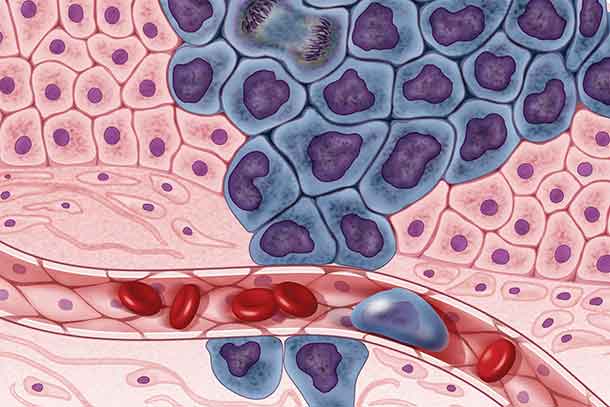
NIH completes in-depth genomic analysis of 33 cancer types

primary-tumor-spreading-through-circulat

The Cancer Genome Atlas (TCGA), supported by NIH's NHGRI and NCI, concludes with an in-depth genomic analysis of 33 cancer types called the PanCancer Atlas. Findings are being published as a collection of 27 papers across multiple Cell journals.


https://ift.tt/2qgpVrc

Enhancement of Th1 immune response against Leishmania cysteine peptidase A, B by PLGA nanoparticle

S15675769.gif

Publication date: June 2018
Source:International Immunopharmacology, Volume 59
Author(s): H. Noormehr, A. Zavaran Hosseini, S. Soudi, F. Beyzay
Recombinant cysteine peptidase vaccine can induce protective immunity against cutaneous leishmaniasis. However, the antigenic diversity and variable immunogenicity prevents them from being approved for general vaccination. Different approaches like adjuvant application and antigen delivery systems are studied to increase their efficacy. Nanoparticles can both stimulated antigen uptakes and affect direction of immune response. In this study the effect of PLGA nanoparticles were considered to enhance the immune response against recombinant CPA (CPA) and CPB (CPB). For this purpose, L. major CPA and CPB were prepared. PLGA were conjugated to the proteins using Aldehyde/Hydrazine Reaction. Conjugation efficacy and created nanoparticle morphology were determined by FTIR and SEM methods, respectively. BALB/c mice were received intraperitoneally three boosts of 7 μg/mouse of each antigen alone (CPA/CPB/CPA + CPB) or as PLGA conjugated form in different Study groups, at 3 weeks interval. After vaccination, mice were challenged with 106L. major, subcutaneously. Time course study of lesion development demonstrated nanoparticle efficacy in parasite dissemination control that confirmed by spleen parasite burden assay. Significant induction of nitric oxide production by peritoneal macrophages and increase in splenocyte IFN-γ production showed the protective effect of PLGA-CPA/CPB vaccination in comparison to CPA and CPB alone. Current study demonstrated that the conjugation of the antigen with the PLGA can activate immune responses against L. major. However, further study is necessary to assess the long-term effect and other aspects of immune response.


https://ift.tt/2qe6AHd

Equal kinematics and visual context but different purposes: Observer's moral rules modulate motor resonance

S00109452.gif

Publication date: Available online 9 April 2018
Source:Cortex
Author(s): Laila Craighero, Sonia Mele
Motor resonance is considered to be an index of the automatic under threshold motor replica of the observed action. Similar actions may be quite different in terms of long-term goals (e.g., grasp to eat vs grasp to throw) and, recently, it has been proposed that the distal goal subtle modulates movements execution, and that observers automatically use these differences in kinematics to discriminate between different intentions. This interpretation is in line with computational approaches proposing that in the agent the generative process causes that intention shapes the kinematics, and in the observer the recognition process causes that the kinematics cues the intention. Given the close entanglement between the two processes, here we investigated whether the mere knowledge of agent's intentions induces in the observer a generative process able to modulate motor resonance. We used transcranial magnetic stimulation to examine motor evoked potentials in the Opponens Pollicis muscle to verify if observer's knowledge of agent's positive, negative, or neutral intentions on a third person influences corticospinal excitability during observation of the same action performed with equal kinematics, and in the same visual context. Results showed that the observation of an action executed with the intention to induce negative effects determined a reduction of motor resonance, revealing the presence of a specific inhibition to reenact an action that results in unpleasant consequences in the other. These data suggest that the information at the intention level activates a generative process which overcomes the replica of kinematics at the goal level, and shapes motor resonance according with observer's mind and not with agent's intention, revealing the possibility of a mere cognitive influence on motor resonance based on individual's ethical values.


https://ift.tt/2GJWjZv

Does dynamic information about the speaker’s face contribute to semantic speech processing? ERP evidence

S00109452.gif

Publication date: Available online 9 April 2018
Source:Cortex
Author(s): David Hernández-Gutiérrez, Rasha Abdel Rahman, Manuel Martín-Loeches, Francisco Muñoz, Annekathrin Schacht, Werner Sommer
Face-to-face interactions characterize communication in social contexts. These situations are typically multimodal, requiring the integration of linguistic auditory input with facial information from the speaker. In particular, eye gaze and visual speech provide the listener with social and linguistic information, respectively. Despite the importance of this context for an ecological study of language, research on audiovisual integration has mainly focused on the phonological level, leaving aside effects on semantic comprehension. Here we used event-related potentials (ERPs) to investigate the influence of facial dynamic information on semantic processing of connected speech. Participants were presented with either a video or a still picture of the speaker, concomitant to auditory sentences. Along three experiments, we manipulated the presence or absence of the speaker's dynamic facial features (mouth and eyes) and compared the amplitudes of the semantic N400 elicited by unexpected words. Contrary to our predictions, the N400 was not modulated by dynamic facial information; therefore, semantic processing seems to be unaffected by the speaker's gaze and visual speech. Even though, during the processing of expected words, dynamic faces elicited a long-lasting late posterior positivity compared to the static condition. This effect was significantly reduced when the mouth of the speaker was covered. Our findings may indicate an increase of attentional processing to richer communicative contexts. The present findings also demonstrate that in natural communicative face-to-face encounters, perceiving the face of a speaker in motion provides supplementary information that is taken into account by the listener, especially when auditory comprehension is non-demanding.


https://ift.tt/2H36EDp

Codoping effects of the Zn acceptor on the structural characteristics and electrical properties of the Ge donor-doped GaN thin films and its hetero-junction diodes all made by reactive sputtering

Publication date: 1 August 2018
Source:Materials Science in Semiconductor Processing, Volume 82
Author(s): Cao Phuong Thao, Dong-Hau Kuo, Der-Jun Jan
Zn acceptor/Ge donor (Zn/Ge)-codoped GaN films with different Zn contents have been deposited on Si substrates at 300 °C and at 90–150 W by RF reactive sputtering technique with cermet targets at the composition atomic ratios of Zn:Ge:(Ga+GaN) at x:0.03:(0.97-x) with x = 0, 0.03, 0.06, and 0.09 and Ga:GaN = 3:7. The films made with such targets were presented in an abbreviated symbol of Zn-x-GeGaN at x = 0, 0.03, 0.06, and 0.09. The morphology, structure, electrical properties, optical property, and hetero-junction diode devices involved in the Zn-x-GeGaN films were thoroughly investigated. The systematic Zn increment into the n-type Zn-0-GeGaN through property evaluation provides the supporting information in studying solid solutioning. Zn-x-GeGaN films converted into p-type semiconductor at x = 0.06 and 0.09. The values of bandgap were in the range of 2.87–3.17 eV with the lower value for the higher Zn content in Zn-x-GeGaN films. The higher RF power led to the faster growth, highly deficient in nitrogen, and a higher Zn atom ratio in the deposited film. The 120W-deposited Zn-0.06-GeGaN film had hole concentration of 7.21 × 1016 cm−3, hole mobility of 39.1 cm2 V−1 s−1, and the electrical conductivity of 0.45 S/cm.


https://ift.tt/2GJvWmA

Metals in geopropolis from beehive of Melipona scutellaris in urban environments

Publication date: 1 September 2018
Source:Science of The Total Environment, Volume 634
Author(s): Josemário S. Bonsucesso, Thomas V. Gloaguen, Andreia S. do Nascimento, Carlos Alfredo L. de Carvalho, Fabio de S. Dias
Geopropolis, a different type of propolis, presents a mixture of resin and exudates, containing wax, silt, and sand particles. This product has been the subject of research interest for its physicochemical properties, economic importance, and likely for environmental monitoring. The determination of toxic metals in hive products has been reported as an efficient tool for environmental monitoring. As the honey production is now common in urban environments, this study aimed to determine the concentration of toxic metals in the Melipona scutellaris geopropolis of the Metropolitan Region of Salvador, Bahia. Geopropolis and soil samples were collected from seven important beehives between June 2015 and July 2016. After EPA 3050B acid digestion procedure, metals were determined by ICP OES. As the geopropolis is partially made from soil, the values of Cr and Fe were extremely more important than the values reported in propolis, wax, and honey found in other worldwide studies. It gives different characteristics to this product depending on the location of the hive and characterizes it as an efficient integrating indicator of soil pollution. Using the enrichment factor, we determined that the soils around the meliponary are not or only slightly polluted by Cu, Cr, Ni, Pb and Zn. However, there was a shift in the particle size of geopropolis, being loamier and less sandy than the surrounding soil. In such case, a higher metal content could be expected, though no metal enrichment in the geopropolis was found, even a decrease in zinc, possibly due to the exclusion of metals by bees, was noted. Nevertheless, the results on the proportions of lithogenic metal and anthropogenic metal indicate that some metals have an external origin (about 20% for Ni and Cu). Geopropolis can be considered as a good environmental indicator even in low contaminated areas.

Graphical abstract

image


https://ift.tt/2H5G7VQ

Virtual Touch Tissue Quantification for Assessing Renal Pathology in Idiopathic Nephrotic Syndrome

alertIcon.gif

Publication date: Available online 9 April 2018
Source:Ultrasound in Medicine & Biology
Author(s): Xue Yang, Ning Yu, Jing Yu, Hongqiao Wang, Xiumei Li
The aim of this study was to evaluate Virtual Touch tissue quantification in assessing renal interstitial fibrosis in patients with idiopathic nephrotic syndrome. Ninety patients with idiopathic nephrotic syndrome were assigned to mild, moderate and severe groups depending on the degree of renal interstitial fibrosis on histopathologic examination of renal biopsy specimens. Thirty healthy patients were also selected as the control group. Virtual Touch tissue quantification was performed to measure the shear wave velocity of the renal parenchyma. There was no statistically significant difference in shear wave velocity between the mild and control groups (p > 0.05); however, the moderate and severe groups did significantly differ compared with the control (p < 0.001). The area under the receiver operating characteristic curve value for the shear wave velocity of renal interstitial fibrosis in the moderate group versus the control and mild groups together was 0.869 (95% confidence interval: 0.791–0.947) and that in the severe group versus the control, mild and moderate groups together was 0.954 (95% confidence interval: 0.917–0.998). The corresponding best cutoff points were 2.41 and 2.77 m/s, with sensitivities of 91.7% and 86.8%, specificities of 78.0% and 92.0%, negative predictive values 0.907 and 0.907, positive predictive values 0.800 and 0.971 and Youden index values of 0.697 and 0.788, respectively. Virtual Touch tissue quantification may non-invasively and quantitatively estimate the degree of renal interstitial fibrosis in patients with idiopathic nephrotic syndrome as a baseline for monitoring progression and treatment response.


https://ift.tt/2qjcNAI

The Real World Dilemma

Publication date: Available online 9 April 2018
Source:European Journal of Vascular and Endovascular Surgery
Author(s): Melina Vega de Ceniga


https://ift.tt/2HbkGmc

Development and Validation of a Predictive Model to Aid in the Management of Intact Abdominal Aortic Aneurysms

Publication date: Available online 9 April 2018
Source:European Journal of Vascular and Endovascular Surgery
Author(s): Manar Khashram, Giorgi Kvizhinadze, Ziad Khashram, Jonathan A. Williman, Gregory T. Jones, Justin A. Roake
Objective/BackgroundPredicting outcomes prior to elective abdominal aortic aneurysm repair (AAA) requires critical decision making, as the treatment offered is a prophylactic procedure to prevent death from a ruptured AAA. The aim of this work was to develop and validate a model that may predict outcomes for patients with an AAA and hence aid in clinical decision making.MethodsA discrete event simulation model was built to simulate the natural history of a patient with an AAA and to predict the 30 day and 2–5 year survival of patients undergoing treatment and surveillance. The input parameters of AAA behavior and impact of comorbidities on survival were derived from the published literature and the New Zealand national life tables. The model was externally validated using a cohort of patients that underwent AAA repair (n = 320) and a cohort of patients undergoing small AAA surveillance (n = 376). All patients had completed at least 5 years of follow up.ResultsThe model was run three times for each data set to test. This produced a SD < 1%, indicating excellent reproducibility. The observed 30 day mortality for the patients undergoing AAA repair was 9/320 (2.8%) and the expected (model predicted) mortality was 3.8% (c-statistic 0.87 [95 confidence interval 0.75–1.0]). The c-statistic for the predicted 2–5 year survival ranged from 0.68 to 0.71 for the repaired AAA cohort and 0.69 to 0.73 for patients with a small AAA on surveillance.ConclusionThe AAA clinical decision tool has the ability to accurately predict the 5 year survival of patients with an AAA. This tool can be used during clinical decision making to better inform clinicians and patients of long-term outcomes. Further validation studies in a wider AAA population are required to test the broader clinical utility of this AAA clinical decision tool.


https://ift.tt/2GOfK3g

About Image Manipulation of the CTA on Software to Simulate the Appropriate Intra-operative C-arm Position

Publication date: Available online 9 April 2018
Source:European Journal of Vascular and Endovascular Surgery
Author(s): Giovani P. Molinari


https://ift.tt/2HbUBnm

Ongoing environmental monitoring and assessment of the long-term impacts of the February 2014 radiological release from the waste isolation pilot plant

Abstract

Three years ago, the Waste Isolation Pilot Plant (WIPP) experienced its first minor accident involving a radiological release. Late in the evening on February 14, 2014, a waste container in the repository underwent a chemical reaction that caused the container to overheat and breach, releasing its contents into the underground. Following a lengthy recovery process, the facility recently resumed waste disposal operations. The accident released significant levels of radioactivity into the disposal room and adjacent exhaust drifts, and although no one was present in the underground at the time of the release, a total of 22 workers tested positive for very low level of radiation, presumably from some of the radioactive material that was released above ground through a small leak in the HEPA filtration system. The dominant radionuclides released were 241Am and 239 + 240Pu in a ratio that matched the content of the drum from Los Alamos National Laboratory (LANL) that was eventually identified as the breached container. From the air particulate monitoring and plume modeling, it was concluded that the dose, at the nearest location accessible to the general public, from this radiation release event would have been less than 0.01 mSv (< 1 mrem/year). This level is well below the 0.1 mSv/year (10 mrem/year) regulatory limit for DOE facilities established by the US Environmental Protection Agency (EPA).

While no long-term impacts to public health or the environment are expected as a result of the WIPP radiation release, the limited ventilation and residual contamination levels in the underground are still a concern and pose a major challenge for the full recovery of WIPP. This article provides an up-to-date overview of environmental monitoring results through the WIPP recovery and an estimate of the long-term impacts of the accident on the natural and human environment.


https://ift.tt/2GJa5j6

Cocaine- and amphetamine-regulated transcript peptide (CART) induced reward behavior is mediated via Gi/o dependent phosphorylation of PKA/ERK/CREB pathway

elsevier-non-solus.png

Publication date: 1 August 2018
Source:Behavioural Brain Research, Volume 348
Author(s): Amita R. Somalwar, Amit G. Choudhary, Pravesh R. Sharma, Nagalakshmi B., Sneha Sagarkar, Amul J. Sakharkar, Nishikant K. Subhedar, Dadasaheb M. Kokare
Although the role of cocaine- and amphetamine-regulated transcript peptide (CART) in modulating the mesolimbic reward pathway has been suggested, underlying cellular mechanisms have not been elucidated. Herein, we investigate the involvement of Gi/o dependent protein kinase A (PKA)/extracellular signal-regulated kinase (ERK)/cAMP response element binding protein (CREB) signaling in CART induced reward behavior. The rat was implanted with a stimulating electrode targeted at the lateral hypothalamus (LH)-medial forebrain bundle (MFB) and conditioned to intracranial self-stimulation (ICSS) in an operant chamber. Intracerebroventricular (icv) administration of CART (55-102) dose-dependently lowered ICSS threshold suggesting reward promoting action, however, pretreatment with subeffective doses of Gi/o inhibitor (pertussis toxin, PTX) or PKA inhibitor (Rp-cAMPS) or ERK inhibitor (U0126) via icv route, attenuated CART mediated reward experience. Operant conditioned rats showed increased pCREB levels in the nucleus accumbens shell (AcbSh), ventral tegmental area (VTA) and hypothalamic paraventricular nucleus (PVN). Infusion of CART (icv) in the conditioned rats augmented the population of pCREB positive cells in the AcbSh, VTA and PVN areas, but not in the arcuate nucleus (ARC). Pretreatment with U0126 significantly decreased CART induced pCREB activation in the AcbSh and VTA, but not in PVN and ARC. ICSS or CART induced CREB mRNA expression in Acb and VTA was attenuated by U0126. We suggest that recruitment of Gi/o dependent PKA/ERK/CREB phosphorylation signaling in Acb and VTA might play an important role in CART induced reward behavior.


https://ift.tt/2H5tk5M

Stereotactic ablative radiotherapy after concomitant chemoradiotherapy in non-small cell lung cancer: A TITE-CRM phase 1 trial

S01678140.gif

Publication date: Available online 9 April 2018
Source:Radiotherapy and Oncology
Author(s): Jérôme Doyen, Michel Poudenx, Jocelyn Gal, Josiane Otto, Caroline Guerder, Arash O. Naghavi, Anais Gérard, Axel Leysalle, Charlotte Cohen, Bernard Padovani, Antoine Ianessi, Renaud Schiappa, Emmanuel Chamorey, Pierre-Yves Bondiau
Background and purposePlatinum based chemoradiotherapy is the standard of care for inoperable non-small cell lung cancer (NSCLC). With evidence that NSCLC can have a dose dependent response with stereotactic ablative radiotherapy (SABR), we hypothesize that a SABR boost on residual tumor treated with chemoradiotherapy could increase treatment efficacy. The purpose of this study was to determine feasibility of such an approach.Material and methodsA prospective phase I trial was performed including 26 patients. Time-to-event continual reassessment method (TITE-CRM) was used for dose escalation which ranged from 3 × 7 to 3 × 12 Gy for the stereotactic boost, after 46 Gy (2 Gy per day) of chemoradiotherapy.ResultsMedian follow-up was of 37.1 months (1.7–60.7), and 3, 4, 3, 3, 9 and 4 patients were included at the dose levels 1, 2, 3, 4, 5 and 6, respectively. During chemoradiotherapy, 9 patients experienced grade 3 toxicity. After stereotactic radiotherapy, 1 patient experienced an esophageal fistula (with local relapse) at the 3 × 11 Gy level, and 1 patient died from hemoptysis at the 3 × 12 Gy level. The 2-year rate of local control, locoregional free survival, metastasis-free survival, and overall survival was 70.3%, 55.5%, 44.5% and 50.8%, respectively.ConclusionIn the treatment of NSCLC with chemoradiotherapy followed by a stereotactic boost, the safe recommended dose in our protocol was a boost dose of 3 × 11 Gy.


https://ift.tt/2HlXU8N

A score derived from routine biochemical parameters increases the diagnostic accuracy of chromogranin A in detecting patients with neuroendocrine neoplasms

Abstract

Background

Chromogranin A (CgA) is a valuable biomarker for detection and follow-up of patients with neuroendocrine neoplasms (NENs). However, various comorbidities may influence serum CgA, which decreases its diagnostic accuracy. We aimed to investigate which laboratory parameters are independently associated with increased CgA in real-life setting and to develop a scoring system, which could improve the diagnostic accuracy of CgA in detecting patients with NENs.

Methods

This retrospective study included 55 treatment naïve patients with NENs and160 patients with various comorbidities but without NEN (nonNENs). Scoring system (CgA-score) was developed based on z-scores obtained from receiver operating curve analysis for each parameter that was associated with elevated serum CgA in nonNENs.

Results

CgA correlated positively with serum BUN, creatinine, α2-globulin, red-cell distribution width, erythrocyte sedimentation rate, plasma glucose and correlated inversely with hemoglobin, thrombocytes and serum albumin. Serum CgA was also associated with the presence of chronic renal failure, arterial hypertension and diabetes and the use of PPI. In the entire study population, CgA showed an area under the curve of 0.656. Aforementioned parameters were used to develop a CgA-score. In a cohort of patients with CgA-score <12.0 (N = 87), serum CgA >156.5 ng/ml had 77.8% sensitivity and 91.5% specificity for detecting NENs (AUC 0.841, 95% CI 0.713–0.969, P < 0.001). Serum CgA had no diagnostic value in detecting NENs in patients with CgA-score >12.0 (AUC 0.554, 95% CI 0.405–0.702, P = 0.430).

Conclusions

CgA-score encompasses a wide range of comorbidities and represents a promising tool that could improve diagnostic performance of CgA in everyday clinical practice.


https://ift.tt/2uXWuyV

Magnetic Resonance (MR) Imaging & Blood Biomarkers for Head and Neck Cancer

Condition:   Head and Neck Cancer
Interventions:   Procedure: MRI;   Procedure: Blood Draw;   Behavioral: Questionnaires
Sponsors:   M.D. Anderson Cancer Center;   Radiological Society of North America;   The Royal Australian and New Zealand College of Radiologists
Recruiting

https://ift.tt/2uUnkry

Feasibility of PET/CT to Detect the Oral/Pulmonary Distribution of Nicotine Following E-cigarette Use

Condition:   E-cigarette Use
Interventions:   Drug: C-11 labeled nicotine;   Radiation: PET/CT imaging
Sponsor:   Ohio State University
Recruiting

https://ift.tt/2HkkS0c

Co-delivery of docetaxel and gemcitabine by anacardic acid modified self-assembled albumin nanoparticles for effective breast cancer management

Publication date: Available online 9 April 2018
Source:Acta Biomaterialia
Author(s): Varun Kushwah, Sameer S. Katiyar, Chander Parkash Dora, Ashish Kumar Agrawal, Dimitrios A. Lamprou, Ramesh C. Gupta, Sanyog Jain
In the present study, we have modified bovine serum albumin (BSA) by covalently conjugating with anacardic acid (AA) and gemcitabine (GEM) and further used for development of docetaxel (DTX) loaded nanoparticles (AA-GEM-BSA NPs). AA is supposed to provide tumor targeting through VEGF receptors overexpressed in tumors, while the combination of GEM and DTX is supposed to provide synergistic activity by targeting multiple pathways. The conjugate was synthesized via carbodiimide chemistry and characterized by 1H NMR, FTIR, MALDI-TOF and elemental analysis. Conformational changes owing to conjugation of AA and GEM were estimated via fluorescence, Raman and CD spectroscopy, while changes in physiochemical properties were studied by differential scanning calorimetry (DSC), thermogravimetry (TGA) and contact angle goniometry (CAG). Synthesized conjugate was further transformed into DTX loaded NPs and freeze dried. Scanning Electron Microscopy (SEM) and Atomic Force Microscopy (AFM) demonstrated formation of spherical NPs having particle size, 163±8 nm, PDI, 0.13±0.09 and ZP, -27±1 mV. Cellular uptake in MCF-7 and MDA-MB-231 revealed hNTs, OATP1B3 independent, clathrin mediated internalization followed via nuclear co-localization of C-6 loaded AA-GEM-BSA NPs, responsible for significantly higher apoptosis index. Pharmacokinetic profile of DTX loaded AA-GEM-BSA NPs revealed 6.12 and 3.27-fold and 6.28 and 8.9-fold higher AUC and T1/2 values of DTX and GEM as compared to Taxotere® and Gemzar®, respectively. Interestingly, the developed NPs were found safe with no marked effect on RBCs, lower hepato and nephro toxicity. Data in hand suggest promising potential of developed NPs in ameliorating the pharmacokinetic and therapeutic profile of combinatorial regimen of DTX and GEM.Statement of SignificanceThe present report is the original state of art technology to selectively target dual drug (DTX and GEM) loaded BSA NPs via exploring tumor targeting potential of AA, having high affinity towards VEGF receptors (angiogenesis marker) overexpressed in tumor. The AA and GEM bio-conjugated BSA was synthesized and further used to develop DTX loaded nanoparticles (AA-GEM-BSA NPs). The optimized NPs were further evaluated via extensive in-vitro and in-vivo studies, demonstrating ameliorated cellular uptake, pharmacokinetic and toxicity profile of drugs. Conclusively, DTX loaded AA-GEM-BSA NPs, holds promising potential in increasing the therapeutic efficiency of drugs and overcoming solvent and drug mediated side effects and can be explored further as a scalable platform technology for difficult to deliver drugs.

Graphical abstract

image


https://ift.tt/2EtZbHT

Cobalt (II) ions and nanoparticles induce macrophage retention by ROS-mediated down-regulation of RhoA expression

Publication date: Available online 9 April 2018
Source:Acta Biomaterialia
Author(s): Jing Xu, Junyao Yang, Agata Nyga, Mazdak Ehteramyan, Ana Moraga, Yuanhao Wu, Lingfang Zeng, Martin M Knight, Julia C Shelton
Histological assessments of synovial tissues from patients with failed CoCr alloy hip prostheses demonstrate extensive infiltration and accumulation of macrophages, often loaded with large quantities of particulate debris. The resulting adverse reaction to metal debris (ARMD) frequently leads to early joint revision. Inflammatory response starts with the recruitment of immune cells and requires the egress of macrophages from the inflamed site for resolution of the reaction. Metal ions (Co2+ and Cr3+) have been shown to stimulate the migration of T lymphocytes but their effects on macrophages motility are still poorly understood. To elucidate this, we studied in vitro and in vivo macrophage migration during exposure to cobalt and chromium ions and nanoparticles. We found that cobalt but not chromium significantly reduces macrophage motility. This involves increase in cell spreading, formation of intracellular podosome-type adhesion structures and enhanced cell adhesion to the extracellular matrix (ECM). The formation of podosomes was also associated with the production and activation of matrix metalloproteinase-9 (MMP9) and enhanced ECM degradation. We showed that these were driven by the down-regulation of RhoA signalling through the generation of reactive oxygen species (ROS). These novel findings reveal the key mechanisms driving the wear/corrosion metallic byproducts-induced inflammatory response at non-toxic concentrations.Statement of significanceAdverse tissue responses to metal wear and corrosion products from CoCr alloy implants remain a great challenge to surgeons and patients. Macrophages are the key regulators of these adverse responses to the ions and debris generated. We demonstrated that cobalt, rather than chromium, causes macrophage retention by restructuring the cytoskeleton and inhibiting cell migration via ROS production that affects Rho Family GTPase. This distinctive effect of cobalt on macrophage behaviour can help us understand the pathogenesis of ARMD and the cellular response to cobalt based alloys, which provide useful information for future implant design and biocompatibility testing.

Graphical abstract

image


https://ift.tt/2Jtphyy

Hydrogel derived from porcine decellularized nerve tissue as a promising biomaterial for repairing peripheral nerve defects

Publication date: Available online 9 April 2018
Source:Acta Biomaterialia
Author(s): Tao Lin, Sheng Liu, Shihao Chen, Shuai Qiu, Zilong Rao, Jianghui Liu, Shuang Zhu, Liwei Yan, Haiquan Mao, Qingtang Zhu, Daping Quan, Xiaolin Liu
Decellularized matrix hydrogels derived from tissues or organs have been used for tissue repair due to their biocompatibility, tunability, and tissue-specific extracellular matrix (ECM) components. However, the preparation of decellularized peripheral nerve matrix hydrogels and their use to repair nerve defects have not been reported. Here, we developed a hydrogel from porcine decellularized nerve matrix (pDNM-G), which was confirmed to have minimal DNA content and retain collagen and glycosaminoglycans content, thereby allowing gelatinization. The pDNM-G exhibited a nanofibrous structure similar to that of natural ECM, and a ∼280-Pa storage modulus at 10 mg/mL similar to that of native neural tissues. Western blot and liquid chromatography tandem mass spectrometry analysis revealed that the pDNM-G consisted mostly of ECM proteins and contained primary ECM-related proteins, including fibronectin and collagen I and IV). In vitro experiments showed that pDNM-G supported Schwann cell proliferation and preserved cell morphology. Additionally, in a 15-mm rat sciatic nerve defect model, pDNM-G was combined with electrospun poly(lactic-acid)–co–poly(trimethylene-carbonate)conduits to bridge the defect, which did not elicit an adverse immune response and promoted the activation of M2 macrophages associated with a constructive remodeling response. Morphological analyses and electrophysiological and functional examinations revealed that the regenerative outcomes achieved by pDNM-G were superior to those by empty conduits and closed to those using rat decellularized nerve matrix allograft scaffolds. These findings indicated that pDNM-G, with its preserved ECM composition and nanofibrous structure, represents a promising biomaterial for peripheral nerve regeneration.

Graphical abstract

image


https://ift.tt/2EtZ9jf

Angiogenesis impairment by the NADPH oxidase-triggered oxidative stress at the bone-implant interface: critical mechanisms and therapeutic targets for implant failure under hyperglycemic conditions in diabetes

Publication date: Available online 9 April 2018
Source:Acta Biomaterialia
Author(s): Xiao-Fan Hu, Lin Wang, Geng Xiang, Wei Lei, Ya-Fei Feng
Mechanism underlying the diabetes-induced poor osteointegration of implants remains elusive, making it a challenge to develop corresponding solutions. Here, we studied the role of angiogenesis in the diabetes-induced poor bone repair at the bone-implant interface (BII) and the related mechanisms. In vivo, titanium screws were implanted in the femurs of mice, and, in vitro, vascular endothelial cell (VEC) was cultured on titanium surface. Results showed that, compared with normal milieu (NM), diabetic milieu (DM) led to angiogenesis inhibition around implants which resulted in reduced osteoprogenitors and poor bone formation on BII in vivo. In vitro, DM caused significant increase of NADPH oxidases (NOX), dysfunction of mitochondria and overproduction of reactive oxygen species (ROS) in VEC on titanium surface, inducing obvious cell dysfunction. Both Mito-TEMPO (Mito, a mitochondria-targeted ROS antagonist) and apocynin (APO, a NOX inhibitor) effectively attenuated the oxidative stress and dysfunction of VEC, with the beneficial effects of APO significantly better than those of Mito. Further study showed that the diabetes-induced metabolic disturbance of VEC was significantly related to the increase of advanced glycation end products (AGEs) at the BII. Our results suggested that the AGEs-related and NOX-triggered cellular oxidative stress leads to VEC dysfunction and angiogenesis impairment at the BII, which plays a critical role in the compromised implant osteointegration under diabetic conditions. These demonstrated new insights into the BII in pathological states and also provided NOX and AGEs as promising therapeutic targets for developing novel implant materials to accelerate the angiogenesis and osteointegration of implants in diabetic patients with hyperglycemia.Statement of significanceThe high failure rate of bone implants in diabetic patients causes patients terrible pain and limits the clinical application of implant materials. The mechanism underlying this phenomenon needs elucidation so that it would be possible to develop corresponding solutions. Our study demonstrated that the AGEs-related and NOX-triggered oxidative stress of VEC leads to angiogenesis impairment at the bone-implant interface (BII) in diabetes. These are critical mechanisms underlying the compromised implant osteointegration in diabetic hyperglycemia. These provide new insights into the BII in diseased states and also suggest NOX and AGEs as crucial therapeutic targets for developing novel implant materials which could modulate the oxidative stress on BII to get improved osteointegration and reduced implant failure, especially in diabetic patients.

Graphical abstract

image


https://ift.tt/2Jtpguu

Ultrafine heat-induced structural perturbations of bone mineral at the individual nanocrystal level

Publication date: Available online 9 April 2018
Source:Acta Biomaterialia
Author(s): M. Verezhak, E.F. Rauch, M. Véron, C. Lancelon-Pin, J.-L. Putaux, M. Plazanet, A. Gourrier
The nanoscale characteristics of the mineral phase in bone tissue such as nanocrystal size, organization, structure and composition have been identified as potential markers of bone quality. However, such characterization remains challenging since it requires combining structural analysis and imaging modalities with nanoscale precision. In this paper, we report the first application of automated crystal orientation mapping using transmission electron microscopy (ACOM-TEM) to the structural analysis of bone mineral at the individual nanocrystal level. By controlling the nanocrystal growth of a cortical bovine bone model artificially heated up to 1000 °C, we highlight the potential of this technique. We thus show that the combination of sample mapping by scanning and the crystallographic information derived from the collected electron diffraction patterns provides a more rigorous analysis of the mineral nanostructure than standard TEM. In particular, we demonstrate that nanocrystal orientation maps provide valuable information for dimensional analysis. Furthermore, we show that ACOM-TEM has sufficient sensitivity to distinguish between phases with close crystal structures and we address unresolved questions regarding the existence of a hexagonal to monoclinic phase transition induced by heating. This first study therefore opens new perspectives in bone characterization at the nanoscale, a daunting challenge in the biomedical and archaeological fields, which could also prove particularly useful to study the mineral characteristics of tissue grown at the interface with biomaterials implants.Statement of SignificanceIn this paper, we propose a new approach to assess the mineral properties of bone at the individual nanocrystal level, a daunting challenge for decades. We use a modified Transmission Electron Microscopy acquisition mode to perform an Automated Crystal Orientation Mapping (ACOM-TEM) by analyzing electron diffraction patterns. We tune the mineral nanocrystal size by heating a model bovine bone system and show that this method allows precisely assessing the mineral nanocrystals size, orientation and crystallographic phase. ACOM-TEM therefore has sufficient sensitivity to solve problems that couldn't be answered using X-ray diffraction. We thus revisit the fine mechanisms of bone nanocrystal growth upon heating, a process currently used for bone graft manufacturing, also of practical interest for forensic science and archaeology.

Graphical abstract

image


https://ift.tt/2Jx2EcL

Micro-imaging of brain cancer radiotherapy using phase-contrast computed tomography

Publication date: Available online 7 April 2018
Source:International Journal of Radiation Oncology*Biology*Physics
Author(s): G.E. Barbone, A. Bravin, P. Romanelli, A. Mittone, D. Bucci, T. Gaaβ, G. Le Duc, S. Auweter, M. Reiser, M.J. Kraiger, M. Hrabě de Angelis, G. Battaglia, P. Coan
PurposeExperimental neuroimaging provides a wide range of methods for the visualization of brain anatomical morphology down to sub-cellular detail. Still, each technique-specific detection mechanism presents compromises between achievable field-of-view size, spatial resolution or nervous-tissue sensitivity, leading e.g. to partial sample coverage, unresolved morphological structure or sparse labeling of neuronal populations, and often also to obligatory sample dissections or other sample-invasive manipulations. X-ray Phase Contrast CT (PCI-CT) is an experimental imaging methodology, which simultaneously provides micrometric spatial resolution, high soft-tissue sensitivity and ex-vivo full-organ rodent brain coverage without any need for sample dissection, staining/labeling or contrast agent injection. In this work, we explore the benefits and limitations of PCI-CT use for the in-vitro imaging of normal and cancerous brain neuro-morphology after in-vivo treatment with synchrotron-generated X-ray Microbeam Radiation Therapy (MRT), a spatially fractionated experimental high-dose radiosurgery. The goals are the visualization of MRT treatment effects on nervous tissue, and qualitative comparison of results to histology and high-field MRI.MethodsMRT was administered in-vivo to the brain of both healthy and cancer-bearing rats. Forty-five days post-treatment, brain organs were dissected out and imaged ex-vivo via propagation-based PCI-CT.ResultsPCI-CT visualizes brain anatomy and micro-vasculature in 3D, and distinguishes cancerous tissue morphology, necrosis, and intra-tumor accumulation of iron and calcium deposits. Moreover, PCI-CT detects the effects of MRT throughout treatment target areas, e.g. the formation of micrometer-thick radiation-induced tissue ablations. Observed neuro-structures were confirmed by histology and immunohistochemistry, and related to micro-MRI data.ConclusionsPCI-CT enables a unique 3D neuroimaging approach for ex-vivo studies on small animal models, in that it concurrently delivers high-resolution insight on local brain tissue morphology in both normal and cancerous micro-milieu, localizes radiosurgical damage, and highlights deep micro-vasculature. This method could assist experimental small-animal neurology studies in the post-mortem evaluation of neuropathology or treatment effects.

Teaser

Experimental X-ray Phase Contrast micro-CT provides ex-vivo 3D representations of post-mortem brain tissue and glioblastoma tumor anatomy of high sensitivity and resolution without the need for extensive sample preparation. This imaging technique proved suitable for a follow-up study of a spatially fractionated radiotherapy technique, X-ray Microbeam Radiation Therapy. We detect 50μm-thick ablations on healthy and tumor tissue, arising from locally-delivered ultra-high-dose X-ray microbeams, as well as calcium and iron accumulation within necrotic tumor tissue.


https://ift.tt/2GJRfbB

pH-sensitive release of insulin-loaded mesoporous silica particles and its coordination mechanism

Publication date: 1 July 2018
Source:European Journal of Pharmaceutical Sciences, Volume 119
Author(s): Fen Jiang, Yu Liu, Xiahui Wang, Zongning Yin
In this work, we investigated the feasibility of employing metal ion that coordinated with amino group grafted mesoporous silica as a pH-sensitive release carrier of insulin. Mesoporous silica particles were firstly grafted with amino groups. After coordination of metal ions onto the surface of mesoporous pore, insulin was loaded onto mesoporous silica particles through coordination bonds with metal ions. Insulin-loaded mesoporous silica particle with an acid sensitivity between the pH range of physiological environment (pH 7.4) and diabetic acidosis (pH 7.0) and with an insulin encapsulation rate of 74.50% was identified by investigating the influence factors of pH response value. The morphology of particles was confirmed by different analytical methods, indicating that insulin-loaded mesoporous silica particles maintained the rod-like and orderly hexagonal phase mesoporous structure. The coordination mechanism results showed that half of the amino groups on the carrier were coordinated with Cu2+, and insulin was successfully coordinated with Cu2+ without any damage on the secondary structure. The amount of insulin coordination with Cu2+ was positively correlated with the pH of the reaction solution. The cytotoxicity result shows that SBA15-NH2-Cu2+-Ins was biocompatible with cells in the concentration ranging from 25 to 100 μg·mL−1. In vivo study preformed on rats showed that the insulin-loaded particles elicited a period hypoglycemic response. Furthermore, fluorescence and UV methods revealed that insulin-loaded mesoporous silica particles had no significant effect on the secondary structure of serum albumin.

Graphical abstract

image


https://ift.tt/2GN8BQQ

Scholar : African Journal of Aquatic Science, Volume 43, Issue 1, March 2018 is now available online on Taylor & Francis Online

@media screen and (max-width:400px) { .two .column, .two .left, .two .right{ max-width: 100% !important; } } @media screen and (min-width: 401px) and (max-width:620px){ .two .column, .two .left, .two .right { max-width: 100% !important; } }

Taylor & Francis Online - The new journals and reference work platform for Taylor & Francis
The online platform for Taylor & Francis Online content

African Journal of Aquatic Science, Volume 43, Issue 1, March 2018 is now available online on Taylor & Francis Online.


This new issue contains the following articles:

Guest Editorial

SASAqS and water: Law, management, crisis, and scientists as water activists
Prof Carolyn (Tally) Palmer
Pages: v-vi | DOI: 10.2989/16085914.2018.1446392


Obituary

Nancy Alison Rayner (1927–2017)
Rob Hart
Pages: vii-x | DOI: 10.2989/16085914.2018.1440918


Research Papers

Metal accumulation in two contiguous eutrophic peri-urban lakes, Chivero and Manyame, Zimbabwe
B Utete, C Phiri, SS Mlambo, N Maringapasi, N Muboko, TB Fregene & B Kavhu
Pages: 1-15 | DOI: 10.2989/16085914.2018.1429249


Occurrence of oestrogenic pollutants and widespread feminisation of male tilapia in peri-urban dams in Bulawayo, Zimbabwe
C Teta, BF Holbech, L Norrgren & YS Naik
Pages: 17-26 | DOI: 10.2989/16085914.2017.1423269


Biometric variations and oxidative stress responses in juvenile Clarias gariepinus exposed to Termex®
JU Nnadi, IN Dimelu, SI Nwani, JC Madu, CI Atama, GN Attamah, JI Okwor & CD Nwani
Pages: 27-34 | DOI: 10.2989/16085914.2018.1445615


PAHs, OCPs and PCBs in sediments from three catchments in Durban, South Africa
T Vogt, R Pieters & BK Newman
Pages: 35-49 | DOI: 10.2989/16085914.2018.1445616


Derivation of scenario-specific water quality guidelines for acid mine drainage in South Africa, using a risk-based approach
EC Vellemu, PK Mensah, N Griffin & ON Odume
Pages: 51-58 | DOI: 10.2989/16085914.2018.1446126


Use of diatom indices to categorise impacts on and recovery of a floodplain system in South Africa
R Musa & R Greenfield
Pages: 59-69 | DOI: 10.2989/16085914.2018.1443907


Mesozooplankton of the Kosi Bay lakes, South Africa
HL Jerling & SP Weerts
Pages: 71-77 | DOI: 10.2989/16085914.2018.1437386


Effect of temperature on seed production in the invasive grass Glyceria maxima (Hartm.) Holmb. (Poaceae) in South Africa
LF Mugwedi, JM Goodall, ETF Witkowski & MJ Byrne
Pages: 79-84 | DOI: 10.2989/16085914.2018.1438246


Short Note

Diet of bluegill Lepomis macrochirus in a South African reservoir during winter and summer
PM Ndaleni, RJ Wasserman, BR Ellender & OLF Weyl
Pages: 85-88 | DOI: 10.2989/16085914.2018.1436514


Browse papers on image & data fusion, GIS, LiDAR & more in the International Journal of Image and Data Fusion's exclusive Editor's Choice collection.

To update which email alerts you receive, manage your alerts within the My Account area.

Unsubscribe from new content alerts for this journal (both new issue and latest article notifications) with one click.

If you need any further help, please contact us at support@tandfonline.com

Please do not reply to this email. To ensure that you receive your alerts and information from Taylor & Francis Online, please add "alerts@tandfonline.com" and "info@tandfonline.com" to your safe senders list.

Taylor & Francis, an Informa business.
Taylor & Francis is a trading name of Informa UK Limited, registered in England under no. 1072954. Registered office: 5 Howick Place, London, SW1P 1WG.


Scholar : These new articles for Critical Discourse Studies are available online

Taylor & Francis Online - The new journals and reference work platform for Taylor & Francis
The online platform for Taylor & Francis Online content
Original Articles

Marx, discourse theory and political analysis: negotiating an ambiguous legacy
David Howarth
Pages: 1-13 | DOI: 10.1080/17405904.2018.1457550


To update which email alerts you receive, manage your alerts within the My Account area.

Unsubscribe from new content alerts for this journal (both new issue and latest article notifications) with one click.

If you need any further help, please contact us at support@tandfonline.com

Please do not reply to this email. To ensure that you receive your alerts and information from Taylor & Francis Online, please add "alerts@tandfonline.com" and "info@tandfonline.com" to your safe senders list.

Taylor & Francis, an Informa business.
Taylor & Francis is a trading name of Informa UK Limited, registered in England under no. 1072954. Registered office: 5 Howick Place, London, SW1P 1WG.


Lipid nanocarriers loaded with natural compounds: Potential new therapies for age related neurodegenerative diseases?

S03010082.gif

Publication date: Available online 8 April 2018
Source:Progress in Neurobiology
Author(s): Telma Bezerra Soares, Luís Loureiro, Ana Carvalho, Maria Elisabete C.D. Real Oliveira, Alberto Dias, Bruno Sarmento, Marlene Lúcio
Age related neurodegenerative disorders (ARND) are presented as the most debilitating and challenging diseases associated with the central nervous system. Despite the advent of active molecules with a positive role on neurodegenerative mechanisms, many of the current therapeutic strategies remain ineffective in treating or preventing ARND. Lipid nanocarriers have emerged as efficient delivery systems with the capability to cross biological barriers, especially the blood brain barrier (BBB). Also, when associated to natural compounds, lipid nanocarriers have demonstrated to be an interesting alternative to ARND therapies with multiple beneficial effects. This comprehensive review focus on state-of-the-art lipid based nanocarriers for the delivery of natural compounds targeting neurodegeneration. A critical analysis of published reports will be also provided giving indications to researchers about the most promising ARND nanotherapy strategies.


https://ift.tt/2qgnyop

Fractionation and leachability of Fe, Zn, Cu and Ni in the sludge from a sulphate-reducing bioreactor treating metal-bearing wastewater

Abstract

This work presents and discusses experimental results on the characterisation and metal leaching potential of a biogenic, metal-rich sulphidic sludge, generated in a sulphate-reducing bioreactor, operated to treat acidic synthetic solutions bearing Fe, Zn, Ni and Cu. The sustainability of the metal removal bioprocess strongly depends on the fate of the sludge. To propose appropriate management practices, a detailed characterisation of the sludge is necessary. The granulometry, chemical composition and mineralogy of the sludge were initially determined. The mobility of the metals was assessed via a modified Tessier experimental procedure. The leachability of the sludge metal content was determined via a standard compliance method (EN 12457-2) and experiments designed to evaluate the effect of pH and time on metal leaching from the sludge. The sludge metal content sums up to 69.5% dw, namely iron (14.8%), zinc (18.7%), nickel (17.7%) and copper (18.2%) and, based on the criteria set by European Union, the sludge is characterised as hazardous and inappropriate for landfilling without any pretreatment. The sludge consists mainly of very fine poorly crystalline aggregates of Fe, Zn, Cu and Ni sulphides. The fine grain size, the poorly crystalline structure and the oxidation of sulphide upon exposure to water/air render the high metal content of the sludge recoverable.


https://ift.tt/2GIIv5v

Effects of selected synthetic insecticides on the total and differential populations of circulating haemocytes in adults of the red cotton stainer bug Dysdercus koenigii (Fabricius) (Hemiptera: Pyrrhocoridae)

Abstract

Red cotton bug, Dysdercus koenigii (Hemiptera: Pyrrhocoridae), has become the major insect pest of various crops, including cotton, and thereby reducing the yield qualitatively and quantitatively and synthetic insecticides belonging to different groups are the major control agents for such insect pests. A laboratory experiment was carried out to evaluate the effect of different conventional insecticides, i.e., imidacloprid, deltamethrin, lambda cyhalothrin, gamma cyhalothrin and cyfluthirn on haemocytes of D. koenigii. The individuals were exposed to insecticides separately and data was recorded after 30 and 60 min of the exposure. The findings of current study depicted chlorpyrifos to be more effective and significant alterations in total haemocyte counts and differential haemocyte counts were observed in the cyfluthirn treated D. koenigii. In addition to this, cell structure was also disrupted as an immune response. Similar studies would also be helpful to understand the defence mechanisms of insects against the xenobiotics which will help to device efficient management tools for D. koenigii.


https://ift.tt/2qilFGJ

A systematic review of the risk of postoperative bleeding with perioperative non-steroidal anti-inflammatory drugs (NSAIDs) in plastic surgery

Abstract

Background

NSAIDs are used extensively in the perioperative period, for analgesia, or for preexisting conditions. However, potential risks of NSAID-induced haemorrhage have raised concerns regarding their use. NSAIDs inhibit platelet aggregation and have been shown to significantly increase bleeding time. In the available literature, there is an apparent lack of consensus regarding the use of NSAIDs and their clinical effects. A systematic review was undertaken to collate all relevant published data to provide a combined measure of the overall risk of serious complications when using NSAIDs in the perioperative period.

Methods

The search for potentially relevant studies was undertaken in PubMed for all publications up to August 2016, using appropriate medical subject (MeSH) headings. There were no restrictions on publication date or status. This was conducted in concordance with and adherence to the 2009 PRISMA guidance. Data harvested relevant papers was tabulated and analysed utilising Review Manager software to calculate a risk ratio (Mantel-Haenszel method, random effects).

Results

Twelve articles were included in the analysis, comprising 6581 patients, of which 1785 received an NSAID and 4796 were controls. Within the 1785 patients receiving NSAIDs, a total of 102 (5.7%) experienced moderate to severe complications, compared with 108 (2.2%) in the control groups.

Conclusions

Based on the assembled data, the authors conclude that the use of perioperative NSAIDs in plastic surgical procedures increases the risk of postoperative bleeding complications. Despite this, the rate of bleeding complications remains low.

Level of Evidence: Not ratable.


https://ift.tt/2GISGai

Late hand replantation with restoration of intrinsic muscle function: a case and review of the literature

Abstract

Limb amputation injuries and their subsequent replantation is a time-critical exercise if function is to be restored. The exact time limit to functional replantation is still poorly defined in the literature owing to the multitude of factors that influence functional recovery. The relative metabolic activity of a tissue is lower under hypothermic conditions, and subsequently, moderate delays in restoring circulation can still achieve good functional outcomes if the amputated part is transported appropriately. Some surgeons have adopted the practice of, in cases where the delay to replantation is beyond 8–10 h, resecting skeletal muscle from the amputated part to avoid the sequelae of its ischaemic period. We report the case of a traumatic trans-carpal hand amputation in a 40-year-old male, with a second-level injury more distally at the metacarpal heads, who was replanted with a total ischaemic time of 19 h and 25 min. The decision was made to retain his intrinsic hand muscles in contradiction to common practice. At 2.5 years follow-up, he has regained a remarkable level of function of his hand including activation of his intrinsic hand muscles. His Semmes Weinstein testing has also shown good sensory recovery of his repaired nerves and he enjoys little, if any, disability as a result of his injury (despite a double-level injury on the dorsal ulna aspect of his forearm). This suggests, in cases of hand amputation with appropriate hypothermic transportation of the amputated part, ischaemia times up to 20 h may be compatible with restoration of intrinsic hand function.

Level of Evidence: Level V, risk / prognostic study.


https://ift.tt/2qhzbdM

Towards standardization of training and practice of reconstructive microsurgery: an evidence-based recommendation for anastomosis thrombosis prophylaxis

Abstract

Background

Despite significant improvements in survival rates, free flap failures still occur even in experienced hands and are most commonly due to arterial or venous thrombosis. In the absence of an evidence-based guideline on the prevention of thrombosis, we reviewed the literature to assess the evidence base for commonly used interventions aimed at its prevention.

Methods

A comprehensive literature search was performed using the following keywords "free flap" and microsurgery with "pre-operative screening," "prevention of thrombosis," "ketorolac," "heparin," "low molecular weight heparin," "aspirin," "dextran," and "statins."

Results

Thirteen clinical studies were included in this review. No high-level evidence is available to support any perioperative or postoperative interventions aimed at reducing the risk of flap thrombosis.

Conclusions

Higher level studies are needed to investigate the clinical use of antithrombotic medications in microsurgery; however, given the small failure rates in modern practice, these will need to be large multicenter trials in order to reach sufficient power.

Level of Evidence: Level III, risk/prognostic study.


https://ift.tt/2GISg3I

Κυριακή 8 Απριλίου 2018

Adenovirus and rotavirus recovery from a treated effluent through an optimized skimmed-milk flocculation method

Abstract

Sewage treatment may be insufficient for the complete removal of enteric viruses, such as human adenoviruses (HAdV) and group A rotavirus (RVA). The differences in the efficiency of the treatment methodologies used may interfere with the detection of these viruses. The objective of this study was to optimize a skimmed-milk flocculation technique for the recovery of HAdV and RVA in the samples of treated effluent. The treated effluent collected at the wastewater treatment plant (WWTP) was processed via four protocols including modifications in the initial centrifugation step and the final concentration of skimmed-milk. The viral load and recovery rate were determined by quantitative PCR TaqMan® System. The highest recovery rates of HAdV, RVA, and bacteriophage PP7 (internal control process) were obtained when the concentration of skimmed-milk was doubled and no centrifugation step was used for the sample clarification. The optimized protocol was assessed in a field study conducted with 24 treated effluent samples collected bi-monthly during 2015. HAdV and RVA were detected in 50.0% (12/24) and 33.3% (08/24) of the samples tested, respectively, throughout the year, without seasonal variation (p > 0.05). This study corroborates the use of the organic flocculation method for virus recovery in environmental samples with the adaptation of the protocols to different aquatic matrices.


https://ift.tt/2IDwivp

Pyroprotein-based electronic textiles with high thermal durability

Publication date: Available online 7 April 2018
Source:Materials Today
Author(s): Jun Woo Jeon, Joo Young Oh, Se Youn Cho, Sungho Lee, Hyun-Seok Jang, Won Taek Jung, Jeong-Gyun Kim, Hyeonbeom Kim, Hyuk Jin Kim, SeongYeon Kim, Songlee Han, JunHo Kim, Young Jun Chang, Dongseok Suh, Hyoung-Joon Jin, Byung Hoon Kim
Electronic textiles (e-textiles) need to have high heat durability for various applications. However, current e-textiles are usually damaged by high-temperature processes. We report silk-based e-textiles fabricated by simple pyrolysis with axial stretching that demonstrate high electrical conductivity and thermal durability. The electrical conductivity of the proposed e-textiles was on the order of 103S/cm and the electrical characteristics were maintained even after heating and bending. Furthermore, we prepared e-textiles with various electronic properties, such as semiconducting, superconducting, and light-emitting properties, by depositing ZnO, MoSe2, and NbN onto the commercial silk-based e-textiles using sputtering and evaporation. We introduced a simple method for fabricating silk-based e-textiles with various electronic properties, which are compatible with the current textile industry.

Graphical abstract

image


https://ift.tt/2JxflUH

Routes for high-performance thermoelectric materials

Publication date: Available online 7 April 2018
Source:Materials Today
Author(s): Xiaoyuan Zhou, Yanci Yan, Xu Lu, Hangtian Zhu, Xiaodong Han, Gang Chen, Zhifeng Ren
Thermoelectric materials can be used in direct conversion of heat to electricity and vice versa. The past decade has witnessed the rapid growth of thermoelectric research, targeting high thermoelectric performance either via reduction in the lattice thermal conductivity or via enhancement of the power factor. In this review, we firstly summarize the recent advances in bulk thermoelectric materials with reduced lattice thermal conductivity by nano-microstructure control and also newly discovered materials with intrinsically low lattice thermal conductivity. We then discuss ways to enhance the electron transport abilities for achieving higher power factor by both novel and traditional methods. Finally, we highlight the recent development in single-crystal thermoelectric materials. These strategies are successful in synergistically manipulating the thermal conductivity and electron transport properties, which have significantly advanced thermoelectric performance on materials. For device applications on these high-performance materials, new opportunities may arise though stability, electrode contacts, mechanical properties, and other problems need to be solved in the near future.

Graphical abstract

image


https://ift.tt/2EvDEPg

In situ formation of interpenetrating polymer network using sequential thermal and click crosslinking for enhanced retention of transplanted cells

Publication date: July 2018
Source:Biomaterials, Volume 170
Author(s): Hamid Sadeghi Abandansari, Mohammad Hossein Ghanian, Fahimeh Varzideh, Elena Mahmoudi, Sarah Rajabi, Payam Taheri, Mohammad Reza Nabid, Hossein Baharvand
Injectable hydrogels, which are used as scaffolds in cell therapy, provide a minimally invasive strategy to enhance cell retention and survival at injection site. However, till now, slow in situ gelation, undesired mechanical properties, and weak cell adhesion characteristics of reported hydrogels, have led to improper results. Here, we developed an injectable fully-interpenetrated polymer network (f-IPN) by integration of Diels-Alder (DA) crosslinked network and thermosensitive injectable hydrogel. The proposed DA hydrogels were formed in a slow manner showing robust mechanical properties. Interpenetration of thermosensitive network into DA hydrogel accelerated in situ gel-formation and masked the slow reaction rate of DA crosslinking while keeping its unique features. Two networks were formed by simple syringe injection without the need of any initiator, catalyst, or double barrel syringe. The DA and f-IPN hydrogels showed comparable viscoelastic properties along with outstanding load-bearing and shape-recovery even under high levels of compression. The subcutaneous administration of cardiomyocytes-laden f-IPN hydrogel into nude mice revealed high cell retention and survival after two weeks. Additionally, the cardiomyocyte's identity of retained cells was confirmed by detection of human and cardiac-related markers. Our results indicate that the thermosensitive-covalent networks can open a new horizon within the injection-based cell therapy applications.

Graphical abstract

image


https://ift.tt/2GJNEq2

Αναζήτηση αυτού του ιστολογίου