Ετικέτες

Τετάρτη 22 Ιουνίου 2022

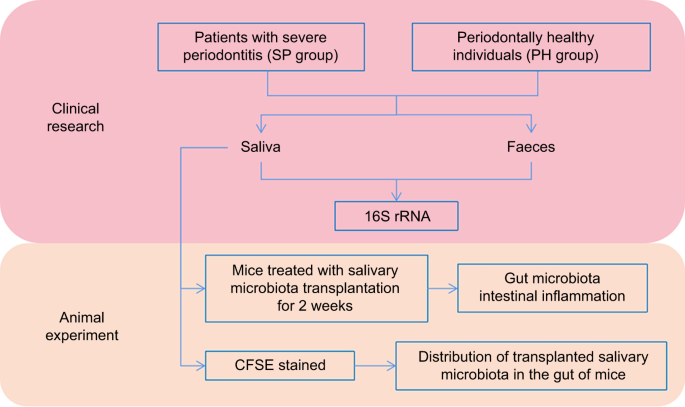
Periodontitis may induce gut microbiota dysbiosis via salivary microbiota

alexandrossfakianakis shared this article with you from Inoreader

41368_2022_183_Fig1_HTML.png

View on Web

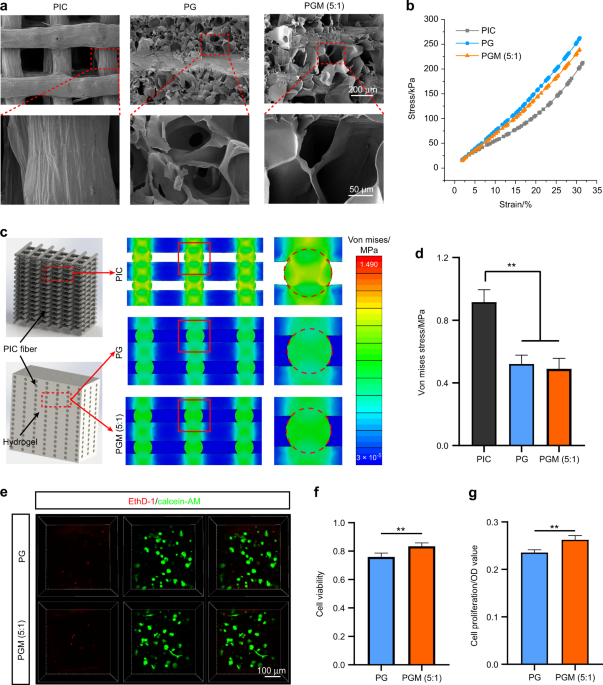
A hierarchical vascularized engineered bone inspired by intramembranous ossification for mandibular regeneration

alexandrossfakianakis shared this article with you from Inoreader

41368_2022_179_Fig1_HTML.png

International Journal of Oral Science, Published online: 22 June 2022; doi:10.1038/s41368-022-00179-z

A hierarchical vascularized engineered bone inspired by intramembranous ossification for mandibular regeneration
View on Web

Τρίτη 21 Ιουνίου 2022

First episodes of norovirus and sapovirus gastroenteritis protect against subsequent episodes in a Nicaraguan birth cohort

alexandrossfakianakis shared this article with you from Inoreader

SocialThumb.00001648.DC.jpeg

Background: Norovirus and sapovirus cause a large burden of acute gastroenteritis (AGE) in young children. We assessed protection conferred by norovirus and sapovirus AGE episodes against future episodes. Methods: Between June 2017-July 2018 we recruited 444 newborns in León, Nicaragua. Weekly household surveys identified AGE episodes over 36 months, and AGE stools were tested by reverse transcriptase-quantitative polymerase chain reaction (RT-qPCR) for norovirus GI/GII and sapovirus. We used recurrent-event Cox models and negative control methods to estimate protection conferred by first episodes, controlling for observed and unobserved risk factors, respectively. Results: Sapovirus episodes conferred a 69% reduced hazard of subsequent episodes using the negative control method. Norovirus GI (HR: 0.67, 95% CI: 0.31, 1.3) and GII (HR: 0.20, 95% CI: 0.04, 0.44) episodes also appeared highly protective. Protection against norovirus GII was enhanced following two episodes. Conclusions: Evidence of natural immunity in early childhood provides optimism for the future success of pediatric norovirus and sapovirus vaccines. Copyright © 2022 Wolters Kluwer Health, Inc. All rights reserved.
View on Web

The relationship between posttherapeutic Cognitive Behavior Therapy skills usage and follow‐up outcomes of internet‐delivered Cognitive Behavior Therapy

alexandrossfakianakis shared this article with you from Inoreader

Abstract

Background

Clients independently applying Cognitive Behavior Therapy (CBT) skills is an important outcome of CBT-based treatments. The relationship between posttherapeutic CBT skills usage and clinical outcomes remains under-researched—especially after internet-delivered CBT (iCBT).

Objective

Explore contemporaneous and lagged effects of posttherapeutic CBT skills usage frequency on iCBT follow-up outcomes.

Method

Nested within a randomized controlled trial, 241 participants received 8-week supported iCBT for anxiety and/or depression, completing measures of anxiety, depression, functional impairment, and CBT skills usage frequency at 3-, 6-, 9-, and 12-month follow-up. Cross-lagged panel models evaluated primary aims.

Results

While analyses support a contemporaneous relationship between anxiety, depression, functional impairment, and CBT skills usage frequency, no consistent lagged effects were observed.

Conclusion

Findings align with qualitative research but the role of CBT skills usage in the maintenance of iCBT effects remains unclear. Innovative research modeling temporal and possibly circular relationships between CBT skill usage and clinical outcomes is needed to inform iCBT optimization.

View on Web

A novel homozygous missense mutation in the FASTKD2 gene leads to Lennox-Gastaut syndrome

alexandrossfakianakis shared this article with you from Inoreader

Journal of Human Genetics, Published online: 21 June 2022; doi:10.1038/s10038-022-01056-7

A novel homozygous missense mutation in the FASTKD2 gene leads to Lennox-Gastaut syndrome
View on Web

FRK inhibits glioblastoma progression via phosphorylating YAP and inducing its ubiquitylation and degradation by Siah1

alexandrossfakianakis shared this article with you from Inoreader
Abstract
Background
We previously report that yes-associated protein (YAP), the core downstream effector of Hippo pathway, promotes the malignant progression of glioblastoma (GBM). However, although classical regulatory mechanisms of YAP are well explored, how YAP is modulated by the Hippo-independent manner remains poorly understood. Meanwhile, the non-receptor tyrosine kinase Fyn-related kinase (FRK), which exhibits low expression and possesses tumor suppressor effects in GBM, is reported to be involved in regulation of protein phosphorylation. Here, we examined whether FRK could impede tumor progression by modulating YAP activities.
Methods
Human GBM cells and intracranial GBM model were used to assess the effects of FRK and YAP on the malignant biological behaviors of GBM. Immunoblotting and immunohistochemistry were used to detect the expression of core proteins in GBM tissues. Co-immunoprecipitation, proximity ligation assay, luci ferase assay and ubiquitination assay were utilized to determine the protein-protein interactions and related molecular mechanisms.
Results
The expression levels of FRK and YAP were inversely correlated with each other in glioma tissues. In addition, FRK promoted the ubiquitination and degradation of YAP, leading to tumor suppression in vitro and in vivo. Mechanistically, FRK interacted with and phosphorylated YAP on Tyr391/407/444, which recruited the classical E3 ubiquitin ligase Siah1 to catalyze ubiquitination and eventually degradation of YAP. Siah1 is required for YAP destabilization initiated by FRK.
Conclusions
We identify a novel mechanism by which FRK orchestrates tumor-suppression effect through phosphorylating YAP and inducing its ubiquitination by Siah1. FRK-Siah1-YAP signaling axis may serve as a potential therapeutic target for GBM treatment.

View on Web

Combination of fluorescence visualization and iodine solution-guided surgery for local control of early tongue cancer

alexandrossfakianakis shared this article with you from Inoreader
The control of enclosed oral epithelial dysplasia is important for the control of oral cancer. Fluorescence visualization and iodine solution are able to detect oral epithelial dysplasia and surrounding oral cancer. The purpose of this study was to clarify the effectiveness of combining fluorescence visualization and iodine solution-guided surgery for early tongue cancer. Participants comprised 264 patients with primary early tongue cancer who underwent surgery. The surgical margin was set at 10  mm outside the clinical tumour, and 5 mm outside the area of fluorescence visualization loss, and 5mm outside the iodine unstained area. (Source: International Journal of Oral and Maxillofacial Surgery)
View on Web

Δευτέρα 20 Ιουνίου 2022

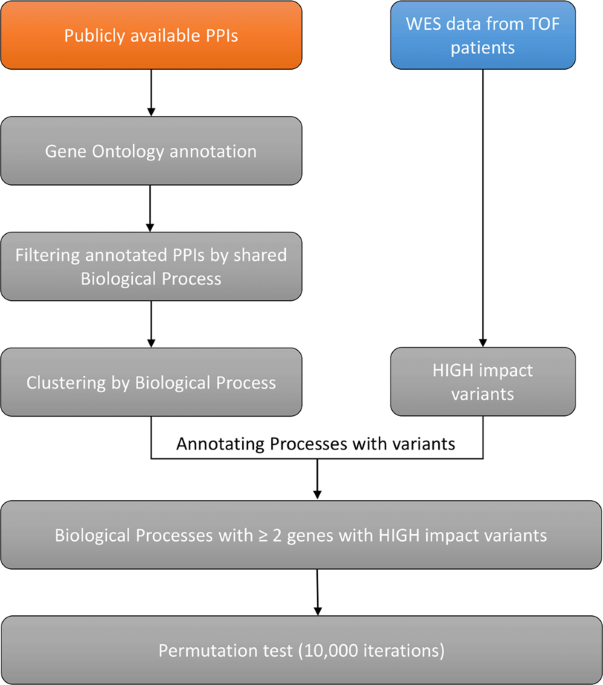
Joint analysis of functionally related genes yields further candidates associated with Tetralogy of Fallot

alexandrossfakianakis shared this article with you from Inoreader

10038_2022_1051_Fig1_HTML.png

Journal of Human Genetics, Published online: 20 June 2022; doi:10.1038/s10038-022-01051-y

Joint analysis of functionally related genes yields further candidates associated with Tetralogy of Fallot
View on Web

Impact of oral motor task training on corticomotor pathways and diadochokinetic rates in young healthy participants

alexandrossfakianakis shared this article with you from Inoreader

Abstract

Background

Studies addressing the training-induced neuroplasticity and interrelationships of the lip, masseter, and tongue motor representations in the human motor cortex using single syllable repetition are lacking.

Objective

This study investigated the impact of a repeated training in a novel PaTaKa diadochokinetic (DDK) orofacial motor task (OMT) on corticomotor control of the lips, masseter, and tongue muscles in young healthy participants.

Methods

A total of 22 young healthy volunteers performed 3 consecutive days of training in an OMT. Transcranial magnetic stimulation was applied to elicit motor evoked potentials (MEPs) from the lip, masseter, tongue, and first dorsal interosseous (FDI, internal control) muscles. MEPs were assessed by stimulus-response curves and corticomotor mapping at baseline and after OMT. The DDK rate from PaTaKa single syllable repetition and numeric rating scale (NRS) scores were also obtained at baseline and immediately after each OMT. Repeated-measures analysis of variance was used to detect differences at a significance level of 5%.

Results

There was a significant effect of OMT and stimulus intensity on the lips, masseter, and tongue MEPs compared to baseline (P < 0.001), but not FDI MEPs (P > 0.05). OMT increased corticomotor topographic maps area (P < 0.001), and DDK rates (P < 0.01).

Conclusion

Our findings suggest that 3 consecutive days of a repeated PaTaKa training in an OMT can induce neuroplastic changes in the corticomotor pathways of orofacial muscles, and it may be related to mechanisms underlying the improvement of orofacial fine motor skills due to short-term training. The clinical utility should now be investigated.

View on Web

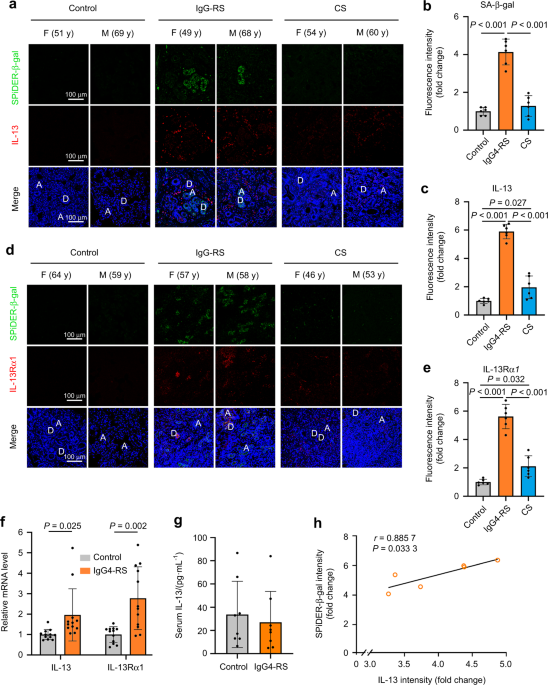
Interleukin-13 promotes cellular senescence through inducing mitochondrial dysfunction in IgG4-related sialadenitis

alexandrossfakianakis shared this article with you from Inoreader

41368_2022_180_Fig1_HTML.png

International Journal of Oral Science, Published online: 20 June 2022; doi:10.1038/s41368-022-00180-6

Interleukin-13 promotes cellular senescence through inducing mitochondrial dysfunction in IgG4-related sialadenitis
View on Web

Αναζήτηση αυτού του ιστολογίου