Ετικέτες

Τρίτη 15 Νοεμβρίου 2022

High cytomegalovirus viral load is associated with 182-day all-cause mortality in hospitalized people with human immunodeficiency virus (PWH)

alexandrossfakianakis shared this article with you from Inoreader

cid_ogimage.png

Abstract
Background
Cytomegalovirus (CMV) infection is associated with increased mortality in PWH. It is less clear whether CMV infection is still associated with mortality when routinely screened and adequately treated.
Methods
This retrospective cohort study recruited 1003 hospitalized HIV-infected adults with CD4 cell counts of less than 200 cells/μL from 2017-2021. Blood CMV DNA was routinely measured and CMV DNAemia was treated if end-organ disease occurre d. CMV viral load was categorized into below the limit of quantification (BLQ;  < 500 IU/mL), low viral load (LVL; 500-10000 IU/mL), and high viral load (HVL;  ≥ 10000 IU/mL) groups. We compared the 182-day all-cause mortalities among different groups.
Results
The median CD4 cell count of the patients was 33 cells/μL (IQR, 13-84). The prevalence of CMV DNAemia was 39.8% (95%CI, 36.7%-42.9%) and was significantly associated with CD4 cell count. The 182-day all-cause mortality was 9.9% (95%CI, 8.0%-11.7%). Univariable analysis showed that, compared to BLQ, LVL and HVL were associated with 1.73-fold and 3.81-fold increased risks of mortality, respectively (P = 0.032 and P < 0.001). After adjustment for pre-defined confounding factors, HVL but not LVL was still associated increased risk of mortality (adjusted hazard ratio 2.63; 95%CI, 1.61-4.29; P < 0.001). However, for patients on effective anti-retroviral therapy, the impact of HVL on 182-day mortality was not statistically significant (P = 0.713).
Conclusions
High CMV viral load in hospitalized PWH was associated with higher mortality, even when early identified by screening. Optimalization of the management for those patients needs to be explored in future studies.
View on Web

Clinical, radiographic, and esthetic evaluation of immediate implant placement with buccal bone dehiscence in the anterior maxilla: A 1‐year prospective case series

alexandrossfakianakis shared this article with you from Inoreader

Abstract

Objectives

To evaluate the clinical, radiographic, and esthetic outcomes of immediate implant placement with buccal bone dehiscence in the anterior maxilla.

Methods

In this case series, implants were inserted immediately after tooth extraction in sockets with buccal bone dehiscence. Guided bone regeneration (GBR) with a papilla preservation flap and simultaneous connective tissue grafting (CTG) was used. The following outcome variables were measured: mid-facial mucosal recession, probing depth, bleeding on probing, Pink Esthetic Score (PES), marginal bone loss, and thickness of buccal bone plate (TBP).

Results

12 patients were recruited. Stable mid-facial mucosal level (−0.03 ± 0.17 mm) and excellent soft-tissue esthetic outcomes (PES, 9.17 ± 0.72) were achieved at 1 year. The TBP at platform level was 2.01 ± 0.31 mm at 1-year follow up with a resorption rate of 28.90% ± 15.14%.

Conclusions

Immediate implant placement using GBR performed with a papilla preservation approach and simultaneous CTG is a feasible treatment procedure in compromised extraction sockets in the anterior region. Favorable esthetic outcomes and buccal bone thickness were obtained. Further studies were needed to evaluate the long-term tissue alteration.

View on Web

Diagnostic Criteria for Temporomandibular Disorders − INfORM recommendations: Comprehensive and short‐form adaptations for children

alexandrossfakianakis shared this article with you from Inoreader

Abstract

Background

The Diagnostic Criteria for Temporomandibular Disorders (DC/TMD) are used worldwide in adults. Until now, no adaptation for use in children has been proposed.

Objective

To present comprehensive and short-form adaptations of Axis I and II of the DC/TMD for adults that are appropriate for use with children in clinical and research settings.

Methods

Global Delphi studies with experts in TMDs and in pain psychology identified ways of adapting the DC/TMD for children.

Results

The proposed adaptation is suitable for children aged 6−9 years. Proposed changes in Axis I include (i) adapting the language of the Demographics and the Symptom Questionnaires to be developmentally appropriate for children, (ii) adding a general health questionnaire for children and one for their parents, (iii) replacing the TMD Pain Screener with the 3Q/TMD questionnaire, and (iv) modifying the clinical examination protocol. Proposed changes in Axis II include (i) for the Graded Chronic Pain Scale, to be developmentally appropriate for children, and (ii) adding anxiety and depression assessments that have been validated in children, and (iii) adding three constructs (stress, catastrophizing, and sleep disorders) to assess psychosocial functioning in children.

Conclusion

The recommended DC/TMD, including Axis I and Axis II, for children aged 6−9 years, is appropriate for use in clinical and research settings. This adapted first version for children includes changes in Axis I and Axis II changes requiring reliability and validity testing in international settings. Official translations to different languages according to INfORM requirements will enable a worldwide dissemination and implementation.

View on Web

Full arch immediate occlusal loading using site specific implants: a clinical series of 10 patients (13 arches)

alexandrossfakianakis shared this article with you from Inoreader

Abstract

Purpose

Osseointegration of dental endosseous implants has proven to be effective, predictable, and clinically successful. Unloaded healing protocols were originally used in treating edentulous patients. Full arch immediate occlusal loading protocols have been shown to be as effective as unloaded healing protocols. This paper reports on the results, benefits, and limitations of one specific immediate loading protocol using site specific implants for fresh extraction and healed extraction sites.

Materials and Methods

Ten consecutive patients [{13 arches} (age range: 64–81 years; average: 70.1) (4 males/6 females) were treated by the first 2 authors in private practice settings. Hopeless teeth were scheduled for extraction with immediate implant placement and immediate loading with insertion of full arch, screw-retained, acrylic resin interim prostheses within 24 hours. Implants were also placed into healed edentulous ridges. Insertion torque values for each implant were recorded. Interim prostheses were removed after at least 3 months of healing. Implants were reverse torque tested (35Ncm) and evaluated for macroscopic mobility. Definitive full arch prostheses were made. Patients were followed for 21- 48 months post implant surgery. Panoramic radiographs were taken immediately post implant placement and one year post operative.

Results

Thirteen arches were treated; 11 ultrawide diameter implants were placed into molar sockets, 26 inverted body-shift implants were placed into anterior sockets; 25 standard diameter, tapered implants were placed into edentulous sites; 2 zygomatic implants were placed in one patient. The total number of implants placed was 64 (4 pre-existing implants were also used and not included in this study). The minimum implant insertion torque value was 20Ncm. After 12–18 months of function (average 14 months), the implant and prosthetic survival rates were 100%. Eight patients were restored with definitive zirconia or acrylic resin hybrid fixed prostheses. Two patients were restored with bar titanium frameworks and removable overdenture prostheses. No prosthetic complications were reported for the definitive prostheses.

Conclusions

The results of this clinical series with site specific implants and immediate full arch occlusal loading in treating edentulous patients resulted in 100% clinical implant and prosthetic survival rates. According to this study, this protocol can be used with high levels of anticipated success.

This article is protected by copyright. All rights reserved

View on Web

Gastrectomy Versus Esophagectomy for Gastroesophageal Junction Tumors: Short- and Long-Term Outcomes From the Dutch Upper Gastrointestinal Cancer Audit

alexandrossfakianakis shared this article with you from Inoreader
imageObjective: Investigate long-term survival, morbidity, mortality, and pathology results in patients following esophagectomy or total gastrectomy for gastroesophageal junction (GEJ) cancer. Background: Both a total gastrectomy and an esophagectomy may be valid treatment options in patients with GEJ cancer. Which procedure results in the most optimal patient outcome is not well studied. The aim of this study was to investigate the long-term survival, morbidity, mortality, and pathology results in patients following esophagectomy or total gastrectomy for GEJ cancer. Methods: A retrospective comparative cohort study of prospectively collected data from the Dutch Upper GI Cancer Audit combined with survival data of the Dutch medical insurance database was performed. Patients with GEJ cancer in whom a total gastrectomy or an esophagectomy was performed between 2011 and 2016 were compared. The primary outcome was 3-year overall survival. Postoperative morbidity, mortality, 3-year conditional survival, radicality of resection, and lymph node yield were secondary endpoints. Results: A total of 871 patients were included: 790 following esophagectomy and 81 following gastrectomy. The 3-year overall survival was 35.8% after esophagectomy and 28.4% after gastrectomy (hazard ratio 1.2, 95% confidence interval 0.721–1.836, P = 0.557). Postoperative morbidity, mortality, radicality of resection, lymph node yield, and 3-year conditional survival did not differ significantly between groups. Conclusion: A total gastrectomy and an esophagectomy for GEJ cancer show largely comparable results with regard to long-term survival, postoperative morbidity, mortality, and pathology results. If both procedures are feasible, other parameters such as surgeon's experience and quality of life should be considered when planning for surgery.
View on Web

Δευτέρα 14 Νοεμβρίου 2022

TMIC-19. NEURODEVELOPMENTAL SUBTYPES SHAPE LIPID METABOLIC REPROGRAMMING IN GLIOMAS

alexandrossfakianakis shared this article with you from Inoreader
Abstract
Gliomas have been classified into molecular (proneural, classical, mesenchymal) and neurodevelopmental (astrocyte, mesenchymal, neural progenitor cell (NPC), oligodendrocyte progenitor cell (OPC)) subtypes describing inter- and intra-tumoral heterogeneity; however, the functional outcomes and therapeutic implications of these subtypes has yet to be fully described. Metabolic reprogramming is a hallmark of cancer, and malignant cells, including gliomas, acquire metabolic adaptations in response to a multitude of intrinsic (oncogenotype, mutations) and extrinsic (tumor microenvironment) factors to fuel neoplastic progression. Altered metabolism in glioma is of particular interest given the extensive molecular heterogeneity of tumors, while also developing in the brain microenvironment, a tissue known for its unique metabolic milieu. It is unknown whether neurodevelopmental subtypes influence metabolism in gliomas. Preliminary comprehensive lipidomi c and transcriptomic analysis of over 200 patient-derived glioma samples revealed that distinct lipid signatures were linked to neurodevelopmental subtypes. Specifically, proneural-like gliomas (OPC, NPC, Neuron) had a lipid metabolic profile enriched in ether lipids. Conversely, mesenchymal-like gliomas (radial glia, MES.progenitor, vascular) have a lipid metabolic profile enriched in triacylglycerides (TAGs). Intriguingly, these differences in lipid metabolic programs between subtypes were associated with environmental dependencies; in contrast to more mesenchymal like gliomas, which could grow irrespective of tumor microenvironment (brain or in vitro cell culture), the proneural-like gliomas required features of the brain microenvironment to accumulate complex fatty acids and grow. Collectively, these data emphasize the metabolic heterogeneity within gliomas, and reveal a subset of gliomas that lack metabolic plasticity in fatty acid biosynthetic programs, indicating a potential brain-microenvironment specific metabolic dependency linked to transcriptional identity that may be targeted for therapy.
View on Web

NCMP-10. NEURO-OPHTHALMOLOGICAL FINDINGS IN CHILDREN AND ADOLESCENTS WITH MEDULLOBLASTOMA - A RETROSPECTIVE ANALYSIS

alexandrossfakianakis shared this article with you from Inoreader
Abstract
BACKGROUND
Medulloblastoma represents the most common malignant pediatric brain tumor. Ophthalmic complications are possible sequelae.
METHODS
Pediatric medulloblastoma (MB) patients treated at the Medical University of Vienna from January 2012 to August 2021 were analyzed and their last ophthalmic assessment was reviewed.
RESULTS
Fifty-six MB patients could be included (71.4% non-WNT/non-SHH, 16.1% SHH-activated, 8.9% WNT-activated, 3.6% non-specified). Mean age at diagnosis was 7.2 years (range 0-19). Median follow-up to last ophthalmological assessment was 19.7 months (range 0.1-93.2). Thirty-four children underwent tumor resection at our hospital, their tumor localizations were: vermis (55.9%), floor of the 4th ventricle (26.5%), cerebellar hemispheres (11.8%), lateral recess (5.9%). Symptoms at presentation were evaluable for 51 children: 92.2% had symptoms of elevated intracranial pressure, 76.5% ataxi a and 21.6% visual disturbances. Postoperative posterior fossa syndrome was observed in 11.1% of 54 children. 98.2% had chemotherapy as part of their initial treatment and all children older than four years (85.7%) received postoperative irradiation of the posterior fossa. In 13 (23.2%) intraventricular chemotherapy was applied. At the last follow-up 21 patients experienced relapse after primary treatment. At the final assessment, frequent neuro-ophthalmological abnormalities included: oculomotor disturbance (75%), esotropia (35.7%) including abducens palsy (12.5%), other cranial nerve palsies (21.4%), horizontal gaze-evoked nystagmus (51.8%), spontaneous nystagmus (16.1%), ocular tilt reaction (21.4%), and optic disc abnormalities (14.3%). Good visual acuity (≥20/25) was maintained in 62.5% patients. Visual field and optical coherence tomography was successfully performed in 75% and 66.1% of patients, respectively. Optic pathway lesions were detected in 4 patients (7.1%), includi ng two cases with occipital metastases, one with optic nerve metastasis and one with leptomeningeal carcinomatosis. Orthoptic treatment with prisms and strabismus surgery was required in 14.3% and 7.7% of children, respectively.
CONCLUSION
Children with MB frequently suffer from neuro-ophthalmological late-effects. Regular monitoring is warranted to initiate appropriate management.

View on Web

CSIG-19. THE PI3K/AKT/MTOR SIGNALING CASCADE MAY CONTRIBUTE TO SEX DIFFERENCES IN GLIOBLASTOMA

alexandrossfakianakis shared this article with you from Inoreader
Abstract
Glioblastoma (GBM) is the most common and aggressive primary brain tumor in adults. It is more prevalent in males and female patients exhibit a survival advantage. Understanding the molecular mechanisms that underlie those sex differences could support novel treatment strategies. The PI3K/Akt/mTOR signaling cascade plays a crucial role in GBM development and progression as it is involved in the regulation of cellular growth, survival, nutrient sensing, and metabolic activity. To investigate whether the PI3K/Akt/mTOR signaling cascade may differ in male and female GBM patients, we first assessed survival data of male and female GBM patients using the TCGA RPPA phosphoproteome data set and found that changes in protein phosphorylation of components of the PI3K/Akt/mTOR pathway, including mTOR phosphorylation, worsen the outcome of male but not female GBM patients in a dose-dependent fashion. This was supported by in vitro experiments of murine tran sformed astrocytes where pathway stimulation via treatment with insulin, IGF-1, or EGF significantly increased pathway activity in male but not female cells. Furthermore, pathway inhibition via serum deprivation resulted in a significant decrease in pathway activity in male but not female cells, indicating that male transformed astrocytes exhibit higher sensitivity to inhibitory conditions (serum deprivation) and stimulatory conditions (insulin, IGF-1, or EGF treatment). Together, these data suggest that (i) the PI3K/Akt/mTOR pathway activity may affect male and female GBM outcome differently, and (ii) there are sex differences in the regulation of the PI3K/Akt/mTOR signaling cascade in GBM which may contribute to the sex disparity in GBM. Our data add to the growing body of literature regarding the presence of sex differences in PI3K/Akt/mTOR signaling in health and disease and provide important insight for the development of translatable approaches to treatment for male and female GBM patients.
View on Web

Varicella Zoster Virus Reactivation Following COVID‐19 Vaccination in patients with autoimmune inflammatory rheumatic diseases: A cross‐sectional Chinese study of 318 cases

alexandrossfakianakis shared this article with you from Inoreader

Abstract

Recently, varicella-zoster virus (VZV) reactivation has been observed after the administration of coronavirus disease 2019 (COVID-19) vaccines. Autoimmune inflammatory rheumatic diseases (AIIRDs) patients are at a higher risk for VZV reactivation for immunocompromised status. The study aimed to investigate the adverse events (AEs), especially VZV reactivation, following vaccination against SARS-CoV-2 in a Chinese cohort of AIIRD patients. A cross-sectional survey using an online questionnaire was conducted among AIIRD patients and healthy controls (HCs). Multivariate logistic regression was used to identify potential factors associated with VZV reactivation. 318 AIIRD patients and 318 age and sex-matched HCs who got COVID-19 inactivated vaccines were recruited. The main AIIRDs are rheumatoid arthritis (31.8%) and systemic lupus erythematous (23.9%). Most of patients (85.5%) had stable disease and 13.2% of them had aggravation after vaccination. Compared to H Cs, patients had higher rates of rash (p=0.001), arthralgia (p<0.001) and insomnia (p=0.007). In addition, there were 6 (1.9%) AIIRD patients and 5 (1.6%) HCs reported VZV reactivation after the COVID-19 vaccination (p=0.761). Multivariate logistic regression analysis illustrated that diabetes mellitus (OR, 20.69; 95%CI, 1.08-396.79; p=0.044), chronic hepatitis B virus infection (OR, 24.34; 95%CI, 1.27-466.74; p=0.034), and mycophenolate mofetil (OR, 40.61; 95%CI, 3.33-496.15; p=0.004) independently identified patients with VZV reactivation. Our findings showed that the inactivated COVID-19 vaccination was safe for AIIRD patients though some patients could suffer from VZV reactivation.

This article is protected by copyright. All rights reserved.

View on Web

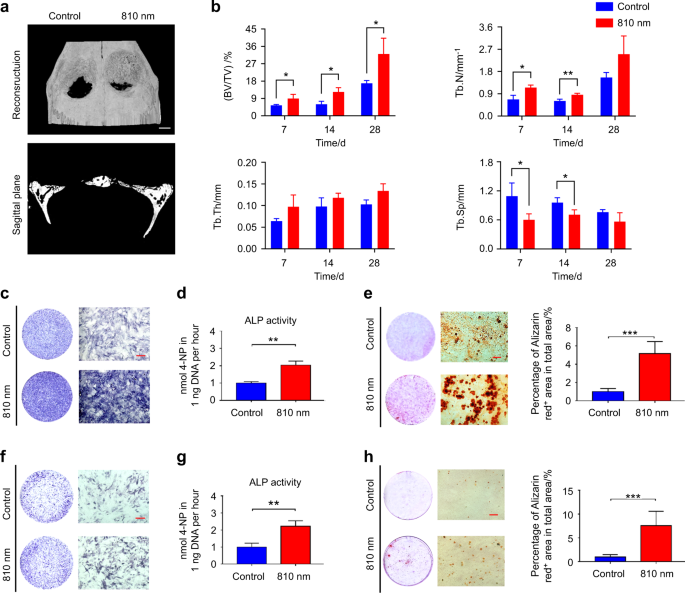
Low intensity near-infrared light promotes bone regeneration via circadian clock protein cryptochrome 1

alexandrossfakianakis shared this article with you from Inoreader

41368_2022_207_Fig1_HTML.png

International Journal of Oral Science, Published online: 14 November 2022; doi:10.1038/s41368-022-00207-y

Low intensity near-infrared light promotes bone regeneration via circadian clock protein cryptochrome 1
View on Web

Αναζήτηση αυτού του ιστολογίου