|
Δευτέρα 4 Ιανουαρίου 2021
Pancreatic adenocarcinoma: molecular drivers and the role of targeted therapy



Characterization of primary glioma cell lines derived from the patients according to 2016 CNS tumour WHO classification and comparison with their parental tumours
|
Cohesive cancer invasion of the biophysical barrier of smooth muscle
|
Dose adjustment of venetoclax when co-administered with posaconazole: clinical drug–drug interaction predictions using a PBPK approach
|
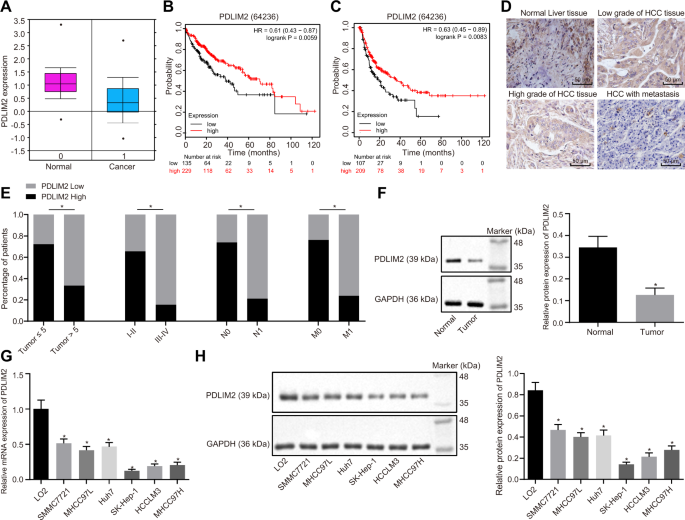
PDLIM2 prevents the malignant phenotype of hepatocellular carcinoma cells by negatively regulating β-catenin
|
Implantation of rectosigmoid cancer in a preexisting anal fissure
|
Κυριακή 3 Ιανουαρίου 2021
Medical and Paediatric Oncology
| Oncoradiology preparedness in the COVID-19 pandemic: Perspective from a tertiary oncology referral center from Eastern India Argha Chatterjee, Bivas K Biswas, Anisha Gehani, Jayanta Das, Saugata Sen, Sumit Mukhopadhyay, Aditi Chandra, Priya Ghosh, Bharat Gupta, Dayanand Lingegowda Indian Journal of Medical and Paediatric Oncology 2020 41(6):789-798 At the time of writing this article, more than 18 million people worldwide have been infected by the severe acute respiratory syndrome-associated coronavirus-2 and about 700,000 people have died from coronavirus disease 2019 (COVID-19). In India, about 190,000 people have been infected and nearly 39,000 people have succumbed to this infection. Infection among health-care workers has emerged as one of the key problems in facing this pandemic. The purpose of this article is to describe the measures taken by the department of oncoradiology at our institution to control the infection and minimize staff exposure during the current lockdown period with reduced patient load and in the post-lockdown period with increased demand for radiology services. The key focus of this article is the continued delivery of cancer imaging services with practical precautions and optimized resources. We have also discussed algorithms and protocols unique to the practice of oncoradiology in the time of the COVID-19 pandemic. |
| Clinical research in hematology-oncology in India during the COVID-19 era Nishant Jindal, Pankaj Malhotra, Amol N Patil, Deepesh P Lad Indian Journal of Medical and Paediatric Oncology 2020 41(6):799-800 |
| Immunotherapy in rare cancers Venkata Pradeep Babu Koyyala, Padmaj Kulkarni Indian Journal of Medical and Paediatric Oncology 2020 41(6):801-803 |
| Multidisciplinary joint clinics: Talent wins games, but teamwork wins championships Rima Sanjay Pathak, TS Shylasree, Jyoti Bajpai Indian Journal of Medical and Paediatric Oncology 2020 41(6):804-808 Cancer is among the leading causes of deaths worldwide. The treatments of cancer across most sites involve using surgery, systemic therapy, and radiation therapy. The treatment protocols are complex and require careful planning at the beginning of the therapy and coordination between the treating teams, the patient, and the caregivers to ensure compliance and avoid unnecessary treatment delays. This commentary provides an insight into the role the multidisciplinary joint clinics play in providing personalized cancer care. While such joint clinics are advantageous, they are not devoid of drawbacks and these are also enumerated. In this era, when communication platforms are increasingly digitized, we have highlighted the need for virtual tumor boards. The commentary aims to motivate the development of multidisciplinary joint clinics for ensuring holistic cancer care across the country. |
| Gastrointestinal stromal tumor – An overview Anant Ramaswamy, Vikram Chaudhari, Prabhat Bhargava, Manish Bhandare, Rajiv Kumar, Shailesh V Shrikhande, Vikas Ostwal Indian Journal of Medical and Paediatric Oncology 2020 41(6):809-818 Gastrointestinal stromal tumors (GISTs) are rare tumors but are most common mesenchymal tumors of the digestive tract. They are commonly seen in the stomach (60%) and small intestine (30%). GISTs are likely derived from the interstitial cells of Cajal or their stem cell precursors. They are best characterized by computerized tomography and have a specific staining pattern on immunohistochemistry, i.e., C-Kit and DOG-1. The treatment of GIST is based on the risk assessment for relapse, and patients with localized GIST require resection with or without adjuvant imatinib mesylate (IM). Advanced unresectable tumors are usually treated with IM, with a number of further options available for patients post progression on IM. There is an increasing emphasis on identifying C-Kit and platelet-derived growth factor receptor alpha mutations in all patients with GIST, as these are driver mutations with current and future therapeutic implications. |
| Efficacy of antiemetic regimens for prevention and treatment of chemotherapy-induced nausea and vomiting in patients of breast cancer receiving highly emetogenic chemotherapy Soumya Vij, Dilip Chander Dhasmana, Suman Bala, Sanjiv Kumar Verma Indian Journal of Medical and Paediatric Oncology 2020 41(6):819-824 Background: Chemotherapy is fraught with serious and troublesome adverse effects, of which nausea and vomiting appears earliest and is the most disturbing. Therefore, this study was planned to investigate the antiemetic drug regimens used for chemotherapy-induced nausea vomiting (CINV) in patients with breast cancer receiving highly emetogenic chemotherapy (HEC). Subjects and Methods: An observational follow-up study was conducted to assess the efficacy of antiemetic regimens in breast cancer patients receiving HEC. A total of 71 newly diagnosed patients with breast cancer were included in the study. Patients were assessed for nausea by the visual analog scale, and a history of emetic episodes and need for rescue medication were recorded at 0 h, 6 h, 24 h, 48 h, and 120 h post-chemotherapy till three cycles. Results: The patients were prescribed a combination of ondansetron and dexamethasone (n = 23, n = 17, and n = 13 in first, second, and third cycle, respectively) or a combination of aprepitant, ondansetron, and dexamethasone (n = 48, n = 54 and n = 56 in the first, second, and third cycle, respectively). The intensity of nausea was higher for the patients who were prescribed ondansetron and dexamethasone regimen as compared to patients prescribed aprepitant additionally. Complete response, i.e., no emesis and no rescue medication, was higher in triple-drug regimen (52% vs. 0.4%, 63% vs. 17.6%, and 69% vs. 23% in three cycles, respectively). Conclusion: The control of CINV was better with a combination of aprepitant, ondansetron, and dexamethasone as compared to a regimen without aprepitant. |
| Patient-reported shoulder morbidity and fatigue among breast cancer survivors: An insight from a tertiary care cancer hospital Abhishek Basu, Janmenjoy Mondal, Bhukya Swetha, Shinjini Chakrabarty, Debjit Ghosh, Subhendu Gangopadhyay, Bidyut Mandal Indian Journal of Medical and Paediatric Oncology 2020 41(6):825-831 Context: Breast cancer is the most common cancer in Indian women with an annual mortality of around 87,000. Treatment for breast carcinoma may lead to swelling of the ipsilateral arm, shoulder stiffness, arm pain, and cancer-related fatigue. Very few centers in India have reported the arm and shoulder morbidity treated in their hospitals. Aims: The aim was to evaluate the predictive factors of arm and shoulder morbidity and fatigue among breast cancer survivors. Settings and Design: This was a retrospective analysis based on a prospectively maintained database. Materials and Methods: Early and locally advanced cases of breast cancer patients were screened for the study during 2015–2018. Eligible participants were invited to fill up the predetermined questionnaire, and their demographic and treatment-related information was accrued from a file archive. Follow-up period was estimated from the date of tissue diagnosis to last contact/time of interview. Results: Shoulder stiffness was the most common complaint followed by arm numbness. Obesity and diabetes played a crucial role in most of the morbidities and fatigue. The median fatigue score was 34, and the median time of appearance of lymphedema was 13 months. Modified radical mastectomy and radiotherapy to axilla were statistically significantly (P = 0.04 and 0.01, respectively) associated with greater shoulder stiffness and arm swelling. Conclusions: Obesity, diabetes, type of surgery, the extent of axillary dissection, and radiation plan are the major predictive factors of arm and shoulder morbidity. Further prospective validation is necessary for future breast cancer survivorship programs. |
| Does neoadjuvant chemotherapy increase the survival in patients with locally advanced gastric cancer patients? – A real-world evidence Murugesan Janarthinakani, Selvaraj Kalaiselvi, Rajamani Priyadarshini, Seshachalam Arun, K Shashidhar, R Krishnakumar, N Manjunath, Sirigeri Roopa, SG Raman Indian Journal of Medical and Paediatric Oncology 2020 41(6):832-840 Background: In locally advanced gastric cancer (LAGC), perioperative chemotherapy has shown to improve the survival to a larger extent compared to surgery alone. In India, the treatment followed for gastric carcinoma widely varies based on the type of health-care provider and treatment access. There is a paucity of data on the role of neoadjuvant chemotherapy on survival among LAGC patients in the Indian context. Aim: The aim of this study was to compare the disease-free survival (DFS) and overall survival (OS) between neoadjuvant and adjuvant chemotherapies among LAGC patients. Subjects and Methods: This was a retrospective cohort study involving clinical record review of LAGC patients enrolled between 2015 and 2017 from four tertiary cancer centers in South India. The date for the following events, namely diagnosis, recurrence, death, and last day of visit, was extracted in a mobile-based open-access tool. The median duration of OS and DFS between the neoadjuvant and adjuvant groups was compared using Kaplan–Meier survival curves. Results: Of the 137 patients, 70 (51%) had received neoadjuvant chemotherapy followed by surgery and 67 (49%) had adjuvant chemotherapy following the surgery. The mean (standard deviation) age of participants was 55.4 (11.4) years. Seventy-eight percent of the patients were diagnosed at Stage 3 or 4. Regional lymph nodes were involved in 83.9%. The median duration of follow-up was 15 months. The OS in the neoadjuvant and adjuvant groups was 18.6 months and 8.3 months, respectively. Nonregional lymph node involvement and adjacent organ involvement had independently increased the risk of death. Conclusion: Among LAGC patients, the neoadjuvant chemotherapy indicated a better median and DFS compared to the adjuvant group. However, these findings were statistically not significant. The current study has contributed an important finding to the existing evidences of clinical practice in an Indian setting. Further large-scale studies are required to validate the promising trend of using neoadjuvant chemotherapy in LAGC. |
| Treating acute myeloid leukemia among children with down syndrome Rajan Kapoor, Karthik Ram Mohan, Shuvendu Roy, Suman Kumar Pramanik, Sanjeev Khera, AK Simalti Indian Journal of Medical and Paediatric Oncology 2020 41(6):841-845 Background: Down Syndrome (DS) children with acute myeloid leukemia (AML) have unique differences in clinical features, epidemiologic nature, and biologic patterns of disease compared with AML in children without DS. Aims and Objective: AML in DS children should be considered distinct disorder from AML in Non DS population and treatment needs to be customized for this population. In this retrospective study spanning from 2014 to 2019 we present our experience of managing leukemia in children with DS. Materials and Methods: From 2014 and 2019, 72 children aged below 18 years were managed at our institute with acute myeloid leukemia (AML). Out of these 72 children with AML, 7 children were with DS which was confirmed by karyotyping. Majority of these children had M7 while M2 and M4 subtypes were seen in one child each. On conventional karyotyping in addition to trisomy 21 additional cytogenetic abnormalities were seen in 4 patients. Two children had trisomy 8. One child had deletion of 11 chromosomes and one had translocation between 8 and 21 chromosomes. Results: All 7 children were administered intensive chemotherapy with curative intent after informed parental consent. All 7 children achieved complete remission. Four out of 7 children had complications related to severe neutropenia. Conclusion: All patients of DS with AML should be offered chemotherapy with curative intent. Endeavour should be to give less aggressive chemotherapy protocol to bring down treatment related mortality. |
| Daratumumab plus carfilzomib: An optimistic approach in relapsed/refractory multiple myeloma AP Dubey, Sameer Khatri, Sachin Maggo, Nilabh K Singh, Durgesh Sharma Indian Journal of Medical and Paediatric Oncology 2020 41(6):846-849 Background: Although with the introduction of novel agents, clinical outcomes have significantly improved in patients of multiple myeloma (MM); however, nearly all relapse, requiring subsequent treatment. Patients who have been heavily treated for relapsed/refractory MM (RRMM) have limited options and poor survival outcomes. Carfilzomib plus daratumumab combination have been evaluated in a phase 1b study in patients of RRMM progressing after 1–3 lines of therapies including bortezomib and an immune-modulatory drug. However, data are lacking evaluating the efficacy of this combination in RRMM patients who have progressed or have suboptimal response on either of these drugs (carfilzomib or daratumumab). Methods: Prospective analysis of data of 19 RRMM patients who progressed after multiple lines of therapy (including bortezomib and lenalidomide/pomalidomide) and had suboptimal response/stable/progressive disease after receiving carfilzomib or daratumumab based combination as last therapy. All patients received combination of carfilzomib plus daratumumab along with dexamethasone (DKd) after prior consent. Daratumumab (16 mg/kg IV) was administered weekly (days 1, 8, 15, and 22) during cycles 1 and 2, every 2 weeks (days 1 and 15) during cycles 3–6, and every 4 weeks thereafter. Carfilzomib was administered weekly on days 1, 8, and 15 of each 28-day cycle. Patients received an initial carfilzomib dose of 20 mg/m2 on day 1,2; 27 mg/m2 on day 8, 9, 15, 16 of cycle 1, which increased to 70 mg/m2 on day 1, 8, 15 from cycle 2 onwards if deemed tolerable. Dexamethasone was given as fixed-dose of 40 mg weekly. Results: Eighteen of 19 patients (including 3 high risk cytogenetics) to DKd (CR-4, very good partial response-10, partial response-02). After median follow-up of 16 months, progression-free survival (PFS) was 95%. Median PFS was not reached. Three patients who were transplant eligible received high-dose chemotherapy followed by autologous stem-cell transplantation and achieved minimal residual disease negativity. The most frequent all grade side effects were hematological, which included neutropenia 30%, anemia 70%, and thrombocytopenia 42%. Most frequent non hematological side effects were nausea 40%, vomiting, cough, respiratory tract infections, asthenia, and loss of appetite. Conclusion: Carfilzomib plus daratumumab based combination in RRMM patients has shown promising results in phase Ib study, where patients with prior exposure to either of these drugs were excluded. Our data show similar or better response of this combination in patients who had progressive disease/stable disease/minimal response to either of carfilzomib or daratumumab. This combination can be a better option in heavily treated RRMM (with prior exposure to either of carfilzomib or daratumumab) producing deeper and durable responses. A larger study may be required to prove this benefit. |
Bone and Joint Surgery
Comparison of Surgical Site Infection Risk Between Warfarin, LMWH, and Aspirin for Venous Thromboprophylaxis in TKA or THA: A Systematic Review and Meta-Analysis Background: Infection following arthroplasty can have devastating effects for the patient and necessitate further surgery. Venous thromboembolism (VTE) prophylaxis is required to minimize the risk of deep venous thrombosis and pulmonary embolism. Anticoagulation has been demonstrated to interfere with wound-healing and increase the risk of infection. We hypothesized that different anticoagulation regimes will have differing effects on rates of periprosthetic joint infection. The aim of this study was to compare the surgical site infection risk between the use of warfarin, low-molecular-weight heparin (LMWH), and aspirin for VTE prophylaxis following total knee or hip arthroplasty. Methods: A systematic literature search was conducted in November 2018 using the PubMed, CINAHL, and Cochrane Central Register of Controlled Trials (CENTRAL) databases to identify studies that compared warfarin, LMWH, and/or aspirin with regard to surgical site infection rates following hip or knee arthroplasty. Meta-analyses were performed to compare the infection and VTE risks between groups. Results: Nine articles involving 184,037 patients met the inclusion criteria. Meta-analysis showed that warfarin prophylaxis was associated with a higher risk of deep infection (or infection requiring reoperation) (odds ratio [OR] = 1.929, 95% confidence interval [CI] = 1.197 to 3.109, p = 0.007) and surgical site infection overall (OR = 1.610, 95% CI = 1.028 to 2.522, p = 0.038) compared with aspirin in primary total joint arthroplasty, with similar findings also seen when primary and revision procedures were combined. There was no significant difference in infection risk between warfarin and LMWH and between LMWH and aspirin. There was a nonsignificant trend for VTE risk to be higher with warfarin compared with aspirin therapy for primary procedures (OR = 1.600, 95% CI = 0.875 to 2.926, p = 0.127), and this was significant when both primary and revision cases were included (OR = 2.674, 95% CI = 1.143 to 6.255, p = 0.023). Conclusions: These findings caution against the use of warfarin for VTE prophylaxis for hip and knee arthroplasty. Further randomized head-to-head trials and mechanistic studies are warranted to determine how specific anticoagulants impact infection risk. Level of Evidence: Therapeutic Level III. See Instructions for Authors for a complete description of levels of evidence. |
Complications and Controversies in the Management of 5 Common Pediatric Sports Injuries »Growing participation in sports among children, along with increasingly intense training regimens, has contributed to an increasing rate of sports-related injuries.»Despite the similarities to adult sports injuries, pediatric patients have distinctive injury patterns because of the growing physis and therefore necessitate unique treatment algorithms.»Caring for these injured children requires in-depth knowledge of not only pediatric injury patterns, but also the scope of age-specific treatments, the associated complications, and the controversies.»When treating motivated pediatric athletes, one must be able to strike a delicate balance between patients' eagerness to return to sport and the need to ensure their long-term health and function.»Knowledge of controversies and complications will help both patients and physicians make informed decisions about how best to restore pediatric athletes back to health. |
Return-to-Driving Recommendations After Lower-Extremity Orthopaedic Procedures »Following lower-extremity orthopaedic surgery, recommendations for safe return to driving include at least 6 to 12 weeks for a right ankle fracture, 2 days to 2 weeks for a right ankle arthroscopy, 6 to 9 weeks for a total ankle arthroplasty, 6 to 7 weeks for a right Achilles tendon rupture repair, 1 to 4 weeks for a right total knee arthroplasty, 2 weeks for a left total knee arthroplasty, 3 to 6 weeks for a right anterior cruciate ligament repair, and 1 to 4 weeks for a total hip arthroplasty.»Important individual factors such as extent of injury, laterality of injury, current driving habits, type of vehicle transmission (manual or automatic), and medical comorbidities must be taken into consideration.»State laws vary widely and often use vague language to describe the legal responsibilities that orthopaedic surgeons have when providing return-to-driving recommendations. |
Treatment Algorithm for Surgical Site Infections Following Extensor Mechanism Repair »Despite general agreement regarding techniques for extensor mechanism repair, there is very limited guidance in the literature for the management of surgical site infections (SSIs) that may occur after these procedures.»Early or mild superficial SSIs, such as cellulitis, can be managed on an outpatient basis while monitoring for improvement, with escalated intervention if the symptoms do not resolve within 1 week.»Deep SSIs should be managed more aggressively with surgical irrigation and debridement (I&D), including the knee joint, depending on the results of the aspiration, removal of all braided nonabsorbable suture (if necessary) with immediate or delayed exchange with monofilament suture, and the administration of parenteral antibiotics based on culture results and an infectious disease consult.»Arthrocentesis should be performed early to monitor for the spread of infection to the joint space, and diagnosis of a septic knee joint should be immediately followed by arthroscopic or open I&D.»For refractory cases (i.e., wound coverage issues or persistent infections despite multiple attempts at debridement), a consult with a plastic surgeon for consideration of a gastrocnemius flap is recommended, and surgeons should remain suspicious of the possibility of the contiguous spread of osteomyelitis. |
Optimizing Return to Play for Common and Controversial Foot and Ankle Sports Injuries »Surgical decision-making should consider factors to help optimize return to play for athletes with foot and ankle injuries, including injuries to the syndesmosis, the Achilles tendon, the fifth metatarsal, and the Lisfranc complex. Understanding influential factors on return to play may help orthopaedic surgeons counsel athletes and coaches on expectations for a timeline to return to play and performance metrics.»Outcomes after rigid and flexible fixation for syndesmotic injuries are generally favorable. Some data support an earlier return to sport and higher functional scores with flexible fixation, in addition to lower rates of reoperation and a decreased incidence of malreduction, particularly with deltoid repair, if indicated.»Minimally invasive techniques for Achilles tendon repair have been shown to have a decreased risk of wound complications. Athletes undergoing Achilles repair should expect to miss a full season of play to recover.»Athletes with fifth metatarsal fractures have better return-to-play outcomes with surgical management and can expect a high return-to-play rate within approximately 3 months of surgery.»Percutaneous treatment of Lisfranc injuries may expedite return to play relative to open procedures. |
| Erratum: The Use of Dual Mobility Implants in Patients Who Are at High Risk for Dislocation After Primary Total Hip Arthroplasty No abstract available |
Orthopaedic
Not All Robotic-assisted Total Knee Arthroplasty Are the Same Because value in healthcare has shifted to a measurement of quality relative to the cost, a greater emphasis exists on improving clinical and functional outcomes and patient satisfaction. Despite advances in implant design, surgical technique, and postoperative rehabilitation, multiple studies demonstrate that nearly 20% of patients remain dissatisfied with their overall outcomes after primary total knee arthroplasty (TKA). Because implant positioning, alignment, and equal soft-tissue balance are critical for a successful TKA, malalignment in the coronal, sagittal, and rotational planes continue to increase failure rates and cause poor clinical outcomes. Robotic-assisted TKA has gained momentum within the past 10 years to better control surgical variables by mitigating technical errors caused by insecure cutting guides and imprecise bone cuts. Contemporary robotic platforms have evolved along with our ability to collect high-quality patient-reported outcome measures data, and this combination is proving the clinical effectiveness. This comprehensive review investigates the advent of robotic-assisted TKA including advantages, disadvantages, historical, and commercially available newer generation systems, clinical outcomes, and cost analysis to better understand the potential added value of this technology. |
Management of Partial Tears of the Anterior Cruciate Ligament: A Review of the Anatomy, Diagnosis, and Treatment Partial anterior cruciate ligament (ACL) tears comprise an estimated 10% to 27% of isolated ACL injuries. Partial ACL tears may be challenging to clinically diagnose. We reviewed relevant studies focusing on the anatomy, diagnosis, imaging, and treatment of a partial injury with the goal of providing guidance to clinicians. Although a comprehensive patient history, thorough clinical examination, and imaging studies are helpful in arriving at a diagnosis, the benchmark for diagnosis remains visualization and examination of the ACL at the time of knee arthroscopy. Currently, limited data exist about the long-term outcomes of nonsurgical treatment. Some studies demonstrate that younger, active patients have the risk of progressing to a complete ACL rupture with conservative treatment. The decision to proceed with surgery is based on careful history and physical examination findings that suggest either a "functional" or "nonfunctional" ACL. Surgical treatment consists of augmenting the intact bundle with a selective bundle reconstruction versus a traditional ACL reconstruction. Selective bundle reconstruction has limited data available but is an option. The best evidence supports traditional ACL reconstruction for the surgical management of patients with documented nonfunctional partial tears of the ACL. |
Diagnosis and Management of Traumatic Anterior Shoulder Instability Anterior shoulder instability is the most common form of shoulder instability and is usually because of a traumatic injury. Careful patient selection is key to a favorable outcome. Primary shoulder stabilization should be considered for patients with high risk of recurrence or for elite athletes. Soft-tissue injury to the labrum, capsule, glenohumeral ligament, and rotator cuff influence the outcome. Glenoid bone loss (GBL) and type of bone loss (on-track/off-track) are important factors when recommending treatment strategy. Identification and management of concomitant injuries are paramount. The physician should consider three-dimensional CT reconstructions and magnetic resonance arthrography when concomitant injury is suspected. Good results can be expected after Bankart repair in on-track Hill-Sachs lesions (HSLs) with GBL < 13.5%. Bankart repair without adjunct procedures is not recommended in off-track HSLs, regardless of the size of GBL. If GBL is 13.5% to 25% but on-track, adjunct procedures to Bankart repair should be considered (remplissage and inferior capsular shift). Bone block transfer is recommended when GBL > 20% to 25% or when the HSL is off-track. Fresh tibia allograft or lilac crest autograft are good treatment options after failed bone block procedure. |
Staying Out of Trouble With Intramedullary Nailing of Distal Tibia Fractures As the biologically friendly and biomechanically sound technique of intramedullary fixation has been increasingly applied to distal tibia diaphyseal fractures, challenges with the technique have emerged. Malalignment, most often valgus and recurvatum, is more common than with mid-diaphyseal patterns, given the lack of endosteal fit, and this can be challenging to prevent. Key technical steps can ensure success. These include recognition and initial fixation of intra-articular fracture planes, the use of percutaneous clamps, a slightly lateral terminal nail position, and the use of blocking wires or screws to prevent malalignment after nail passage. With thorough preoperative planning and early recognition of troublesome patterns, a variety of techniques can be applied to obtain and maintain a stable reduction throughout the procedure. |
Restarting Orthopaedic Care in a Pandemic: Ethical Framework and Case Examples The question about how to resume typical orthopaedic care during a pandemic, such as coronavirus disease 2019, should be framed not only as a logistic or safety question but also as an ethical question. The current published guidelines from surgical societies do not explicitly address ethical dilemmas, such as why public health ethics requires a cessation of nonemergency surgery or how to fairly allocate limited resources for delayed surgical care. We propose ethical guidance for the resumption of care on the basis of public health ethics with a focus on clinical equipoise, triage tiers, and flexibility. We then provide orthopaedic surgery examples to guide physicians in the ethical resumption of care. |
Diabetes Status Affects Odds of Body Mass Index–dependent Adverse Outcomes After Total Hip Arthroplasty Introduction: Obesity and diabetes have independently been shown to predispose to adverse outcomes after total hip arthroplasty (THA). These may have a coupled effect on perioperative risks. The purpose of this study was to evaluate the effect of body mass index (BMI) on adverse outcomes in nondiabetic (ND), non–insulin-dependent diabetes mellitus (NIDDM), and insulin-dependent diabetes mellitus (IDDM) patients. Methods: Patients undergoing primary THA were selected from the National Surgical Quality Improvement Program Database from 2012 to 2016 and categorized as ND, NIDDM, and IDDM. BMI, demographics, and 30-day perioperative outcomes were assessed for each group. Multivariate logistic regressions controlling for demographics, functional status, and American Society of Anesthesiologists were used to determine the odds ratio of serious adverse event (SAE) in each diabetes group for patients with BMI ≥ 40 kg/m2 compared with a control group of ND patients with a normal BMI (18.5 to 24.9 kg/m2). Results: A total of 108,177 patients were included. The results demonstrate that ND (odds ratio 1.65; P < 0.001) and NIDDM (odds ratio 1.75; P = 0.007) patients have similar risks of SAE, whereas IDDM (odds ratio 2.79; P < 0.001) patients have a greater risk of adverse events, particularly at BMIs greater than 40 kg/m2. Discussion: Consistent with previous reports, ND (odds ratio 1.65; P < 0.001) and NIDDM (odds ratio 1.75; P = 0.007) morbidly obese patients (BMI > 40 kg/m2) had an increased odds of SAEs after THA, but for IDDM (odds ratio 2.79; P < 0.001) patients this increased odds was notably higher. Although patients with IDDM have increased rates of adverse events compared with ND and NIDDM patients, these findings should not be used to establish strict BMI cutoffs in patients with IDDM. Nonetheless, the results suggest additional factors, such as patient medical history and diabetes control, should be considered when evaluating patients with IDDM for THA. Level of Significance: Level III |
Reasons for Revision: Primary Total Hip Arthroplasty Mechanisms of Failure Background: This study aimed to examine the major reasons for total hip arthroplasty (THA) failure and temporal patterns in THA revisions. Methods: A retrospective chart review was conducted on 535 revisions performed on 444 THAs from January 2010 to May 2019 at our institution. Results: The average time to revision THA was 8.51 ± 8.38 years, with 136 cases (30.9%) occurring within 2 years after primary THA. The major mechanisms of failure that resulted in revision surgery were mechanical failure (162, 36.5%), metallosis (95, 21.4%), dislocation or instability (65, 14.6%), periprosthetic fracture (46, 10.4%), infection (44, 9.9%), hematoma or poor wound healing (15, 3.4%), and pain or other (17, 3.8%). Conclusion: Based on our institutional experience over the past decade, mechanical failure without dislocation, metallosis, dislocation, periprosthetic fracture, and infection are typical reasons patients present for primary THA revision. Revisions within 2 years after primary THA are more likely to be the result of infection and periprosthetic fracture. Mechanical failure is the most common reason for revision THA overall, and mechanical failure and metallosis are more likely to be the reason revision is necessary 2 or more years after primary THA. |
Implications of Admission and Surgical Timing on Hospital Length of Stay in Patients with Hip Fractures Introduction: Hospital reimbursements for geriatric hip fractures are contingent on patient outcomes and hospital length of stay (LOS). This study examined if the day of the week (DOTW) and time of day (TOD) of both admission and surgery are associated with increased LOS. Methods: LOS, time from admission to surgery, DOTW of admission/surgery, TOD of admission/surgery, and demographics were retrospectively collected. The average LOS was 4.5 days. Patients were grouped into cohorts of LOS 1 to 4 days (short-stay) and 5 to 12 days (long-stay). The percentage of short-stay patients was compared with the percentage of long-stay patients for each DOTW/TOD of admission/surgery with chi square tests. Results: One hundred patients were included, 58 short stays and 42 long stays. Both groups were similar regarding demographics. Long-stay patients were 4.2 times more likely to have been admitted ([95% confidence interval 1.2 to 14.6], P = 0.02) and 4.8 times as likely to have undergone surgery ([95% confidence interval 1.0 to 5.6], P = 0.01) on a Thursday, respectively. TOD of admission/surgery did not demonstrate any association with LOS. Discussion: Thursday admission/surgery was associated with longer LOS. Delayed surgical optimization coupled with insurance companies' observance of regular business hours may delay admission to inpatient rehab or skilled nursing facilities, resulting in avoidable healthcare expenditures. |
Demographics and Clinical Presentation of Early-Stage Legg-Calvé-Perthes Disease: A Prospective, Multicenter, International Study Background: Children with Legg-Calvé-Perthes disease (LCPD) are classically described as small, thin, high-energy children presenting with a painless limp. Epidemiologic studies have historically been retrospective and regional in nature. The purpose of this study was to determine the demographic and clinical features of children presenting in the early stages of LCPD in an international, multicenter cohort. Methods: Children (6 to 10 years) in the early stages of LCPD (modified Waldenström stage I to IIa) were enrolled in a prospective, multicenter study. Demographic and clinical data at presentation were analyzed. Body mass index percentiles were determined using country-specific growth charts for children in the United States and India, two countries with largest enrollment. Statistical analyses included t-tests and chi-square. Results: A total of 209 children (86% males; mean age 7.9 ± 1.2 years) from 25 centers (six countries) were included. Eight-four percent of children presented with pain with or without a limp. Average pain score at presentation was 3 ± 2 (range 0 to 9), and 63% of children (n = 105) used pain medications. Of these children 65% required medication more than once per week. Thirty percent of children missed school due to pain in the past month, and of those, 74% missed at least 1 day per week. Twenty-nine percent of children from the United States and 20% of children from India were overweight or obese. Nineteen percent reported household smoking. Discussion: This prospective study provides a new international multicenter representation of early LCPD. The frequency of pain and missed school highlights the substantial morbidity and potential social cost and burden for children and families. The prevalence of being overweight/obese in our LCPD cohort was comparable to rates within the pediatric cohort as a whole, and fewer children have a history of smoke exposure than in previous reports. Level of Evidence: Level II, prospective comparative study |
| Incidence of Pseudotumors in a Dual Modular Stem Construct With and Without Metal-on-Metal Bearing Surface Background: The purpose of this study was to compare the incidence of pseudotumors in metal-on-metal (MoM) titanium modular neck hip arthroplasties to non-MoM modular neck hip arthroplasties. A secondary goal was to determine whether a correlation exists between elevated metal concentrations and pseudotumor incidence. Methods: The data were collected and evaluated from 49 MoM joints and 26 non-MoM joints between the years 2012 and 2017. Hip ultrasonography was done after a minimum of 5 years postimplantation. Whole serum metal (titanium, cobalt, and chromium) concentrations were measured at the hip ultrasonography study. Results: The average time elapsed between surgery and ultrasonography visit was 7.6 years. In the 49 patients with MoM joints, 22.4% (n = 11) had a pseudotumor. In the 26 patients with non-MoM joints, 9.1% of metal-on-polyethylene hips (n = 1) and 0% of ceramic-on-ceramic/polyethylene hips developed a pseudotumor. No significant statistical correlation was observed between serum metal concentrations and pseudotumor formation (P > 0.05). A significant correlation was observed of serum titanium concentration to pseudotumor size (P = 0.024). Conclusion: The incidence of pseudotumor formation in MoM total hip arthroplasties was more than five times the incidence associated with non-MoM bearings. The correlation between serum titanium concentration and pseudotumor size suggests that titanium levels may be a useful indicator for pseudotumor formation in patients with this particular titanium modular neck femoral implant. No notable correlation was observed between serum cobalt and chromium concentration and pseudotumor formation or size. |
-
Publication date: September 2017 Source: Free Radical Biology and Medicine, Volume 110 Author(s): Lucía Fernández-del-Río, Anish Nag, Elen...
-
Abstract Noise pollution is a major factor of environmental complaints in many cities, which has significant impacts on human health. As a...

