Ετικέτες

Τετάρτη 1 Ιουνίου 2022

DNA methylation profiling of central nervous system hemangioblastomas identifies two distinct subgroups

alexandrossfakianakis shared this article with you from Inoreader

Abstract

Hemangioblastomas (HBs) of the central nervous system are highly vascular neoplasms that occur sporadically or as a manifestation of von Hippel–Lindau (VHL) disease. Despite their benign nature, HBs are clinically heterogeneous and can be associated with significant morbidity due to mass effects of peritumoral cysts or tumor progression. Underlying molecular factors involved in HB tumor biology remain elusive. We investigated genome-wide DNA methylation profiles and clinical and histopathological features in a series of 47 HBs from 42 patients, including 28 individuals with VHL disease. Thirty tumors occurred in the cerebellum, 8 in the brainstem and 8 HBs were of spinal location, while 1 HB was located in the cerebrum. Histologically, 12 HBs (26%) belonged to the cellular subtype and exclusively occurred in the cerebellum, whereas 35 HBs were reticular (74%). Unsupervised clustering and dimensionality reduction of DNA methylation profiles revealed two distinct subgroups. Methyl ation cluster 1 comprised 30 HBs of mainly cerebellar location (29/30, 97%), whereas methylation cluster 2 contained 17 HBs predominantly located in non-cerebellar compartments (16/17, 94%). The sum of chromosomal regions being affected by copy-number alterations was significantly higher in methylation cluster 1 compared to cluster 2 (mean 262 vs. 109 Mb, p = 0.001). Of note, loss of chromosome 6 occurred in 9/30 tumors (30%) of methylation cluster 1 and was not observed in cluster 2 tumors (p = 0.01). No relevant methylation differences between sporadic and VHL-related HBs or cystic and non-cystic HBs could be detected. Deconvolution of the bulk DNA methylation profiles revealed four methylation components that were associated with the two methylation clusters suggesting cluster-specific cell-type compositions. In conclusion, methylation profiling of HBs reveals 2 distinct subgroups that mainly associate with anatomical location, cytogenetic profiles and differ ences in cell type composition, potentially reflecting different cells of origin.

View on Web

A novel extracorporeal cardiopulmonary resuscitation strategy using a hybrid emergency room for patients with pulseless electrical activity

alexandrossfakianakis shared this article with you from Inoreader

13049.jpg

Whether extracorporeal cardiopulmonary resuscitation (ECPR) is indicated for patients with pulseless electrical activity (PEA) remains unclear. Pulmonary embolism with PEA is a good candidate for ECPR; however...
View on Web

Effect and Mechanism of the Lenvatinib@H-MnO2-FA Drug Delivery System in Targeting Intrahepatic Cholangiocarcinoma

alexandrossfakianakis shared this article with you from Inoreader
View on Web

Mechanistic and biologically based models in epidemiology; a powerful underutilized tool

alexandrossfakianakis shared this article with you from Inoreader
Abstract
Mechanistic and biologically based mathematical models of chronic and behavioral disease processes aim to capture the main mechanistic or biological features of the disease development, and to connect these with epidemiological outcomes. These approaches have a long history in epidemiological research and are complementary to traditional epidemiological or statistical approaches to investigate the role of risk factor exposures on disease risk.In the article by Simonetto et al. (Am J Epidemiol. XXXX;XXX(XX):XXXX–XXXX)), the authors present a mechanistic, process-oriented, model to investigate the role of smoking, hypertension and dyslipidemia on the development of atherosclerotic lesions and their progression to myocardial infarction (MI). Their approach builds on and brings to cardiovascular disease the ideas and perspectives of earlier mechanistic and biologically based models for the epidemiology of cancer and other chronic diseases, providin g important insights into the mechanisms and epidemiology of smoking related MI.We argue that although mechanistic modeling approaches have demonstrated their value and place in epidemiology, they are highly underutilized. We call for efforts to grow mechanistic and biologically based modeling research, expertise and awareness in epidemiology, including the development of training and collaboration opportunities to attract more students and researchers from STEM areas into the epidemiology field.
View on Web

Τρίτη 31 Μαΐου 2022

Solitary Splenic Metastasis From Endometrial Carcinoma Revealed on FDG PET/CT

alexandrossfakianakis shared this article with you from Inoreader
imageSolitary splenic metastasis from endometrial carcinoma is rare. We report a case of imaging findings of solitary splenic metastasis in a 53-year-old woman who underwent resection surgery of endometrial carcinoma of uterus 1 year ago. On FDG PET/CT, it presented as a solitary soft tissue mass with an SUVmax of 18.44. The postoperative pathology supported metastasis from endometrial carcinoma.
View on Web

Adherence Of Candida Albicans to Five Long‐Term Silicone‐Based Denture Lining Materials Bonded to CAD‐CAM Denture Base

alexandrossfakianakis shared this article with you from Inoreader

Abstract

Purpose

: Knowledge about quantifying the number as well as the retention and adhesion of Candida albicans blastoconidia to silicone denture liners is limited. Thus, the aim of this in vitro study was to explore the adherence of Candida albicans to the surface of five long-term silicone-based soft denture lining materials, using artificial saliva.

Materials & Methods

A total of 50 specimens (10 × 10 × 3 mm) of five long-term resilient liners (Molloplast-B; GC Reline Soft; Elite Soft Relining; Tokuyama Sofreliner S; Ufigel SC), bonded to a computer-aided design and computer-aided manufacturing denture base, were prepared. The specimens were inoculated and incubated in artificial saliva for 1h and 24h with a standardized (2.8 × 10⁶ cfu/ml) Candida albicans suspension. At the end of the incubation period, the specimens were stained with acridine orange and observed, using fluorescence microscopy.

Results

: After 1h and in 24h, Molloplast B demonstrated significantly earlier adherence of Candida albicans cells compared to the other chairside materials (p<0.001 and p<0.001, respectively), where the mean number of cells also increased in the frontal parts. Regarding the rate of Candida albicans proliferation from 1h to 24 hours within the materials, there was an increase in all materials (Molloplast B: p<0.001; GC Reline Soft: p = 0.220; Elite Soft Relining: p = 0.032; Tokuyama Sofreliner S: p = 0.001; Ufigel Sc: p = 0.001). The Ufigel Sc showed a significant 2.5-fold increase at 24h.

Conclusions

: Long-term silicone denture liners accumulate a significant amount of Candida albicans blastoconidia and their coverage by them increases progressively over time.

This article is protected by copyright. All rights reserved

View on Web

Development and validation of the Fat Attitudes Assessment Toolkit (FAAT): A multidimensional nonstigmatizing measure of contemporary attitudes toward fatness and fat people

alexandrossfakianakis shared this article with you from Inoreader

Abstract

Many instruments recommended for measuring attitudes toward fatness and "obesity" were developed in the 1990s, a time when the "obesity epidemic" was gaining momentum and anti-fat rhetoric was normative. Consequently, these instruments have tended to focus on assessing negative appraisals of fatness and fat people and reinforce weight stigma. As fat discourse has matured and expanded to incorporate fat positive attitudes, a nonstigmatizing way of measuring contemporary fat attitudes and beliefs in quantitative research is required. To address this need, we developed the Fat Attitudes Assessment Toolkit (FAAT). In this article, we describe the development of the FAAT and provide initial evidence for the scale's validity and psychometric properties across three studies. Study 1 included a systematic process for developing the extensive item pool that was reviewed by subject matter experts and a community panel. We explored and identified an initial multidimensional structure for the FAAT. Study 2 expanded and confirmed the factor structure with additional analyses in an independent sample and provided evidence for the overall reliability of the subscale scores and reliability as a function of gender and identification as fat. Construct and criterion validity of the subscale scores were also demonstrated. Study 3 provided evidence for the test-retest reliability of the FAAT subscales scores over time. The FAAT includes nine robust scales: Empathy, Activism Orientation, Size Acceptance, Attractiveness, Critical Health, General Complexity, Socioeconomic Complexity, Responsibility, and Body Acceptance. Specific subscales can be combined to form two composite measures: Fat Acceptance and Attribution Complexity. The scales that comprise the FAAT measure specific elements of attitudes towards fat people that are frequently targeted in weight stigma reduction research and activism; the FAAT thus offers a powerful and precise method for evaluating weight stigma reduction interventions that allows for an assessment of shifts toward more positive attitudes.

View on Web

Δευτέρα 30 Μαΐου 2022

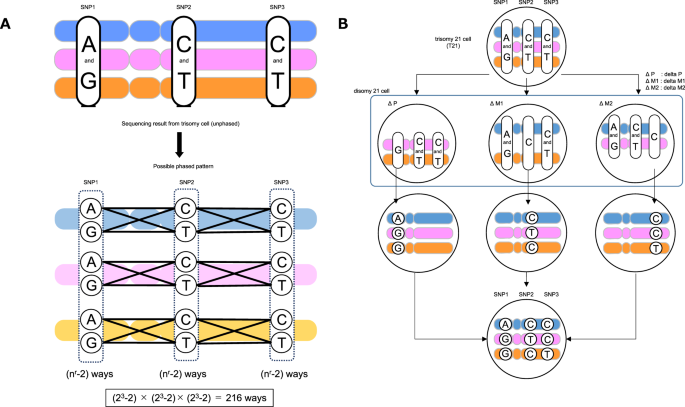
Experimental method for haplotype phasing across the entire length of chromosome 21 in trisomy 21 cells using a chromosome elimination technique

alexandrossfakianakis shared this article with you from Inoreader

10038_2022_1049_Fig1_HTML.png

View on Web

The public health burden of geriatric trauma: Analysis of 2,688,008 hospitalizations from Centers for Medicare and Medicaid Services inpatient claims

alexandrossfakianakis shared this article with you from Inoreader
imageBACKGROUND Geriatric trauma care (GTC) represents an increasing proportion of injury care, but associated public health research on outcomes and expenditures is limited. The purpose of this study was to describe GTC characteristics, location, diagnoses, and expenditures. METHODS Patients at short-term nonfederal hospitals, 65 years or older, with ≥1 injury International Classification of Diseases, Tenth Revision, were selected from 2016 to 2019 Centers for Medicare and Medicaid Services Inpatient Standard Analytical Files. Trauma center levels were linked to Inpatient Standard Analytical Files data via American Hospital Association Hospital ID and fuzzy string matching. Demographics, care location, diagnoses, and expenditures were compared across groups. RESULTS A total of 2,688,008 hospitalizations (62% female; 90% White; 71% falls; mean Injury Severity Score, 6.5) from 3,286 hospitals were included, comprising 8.5% of all Medicare inpatient hospitalizations. Level I centers encompassed 7.2% of the institutions (n = 236) but 21.2% of hospitalizations, while nontrauma centers represented 58.5% of institutions (n = 1,923) and 37.7% of hospitalizations. Compared with nontrauma centers, patients at Level I centers had higher Elixhauser scores (9.0 vs. 8.8) and Injury Severity Score (7.4 vs. 6.0; p
View on Web

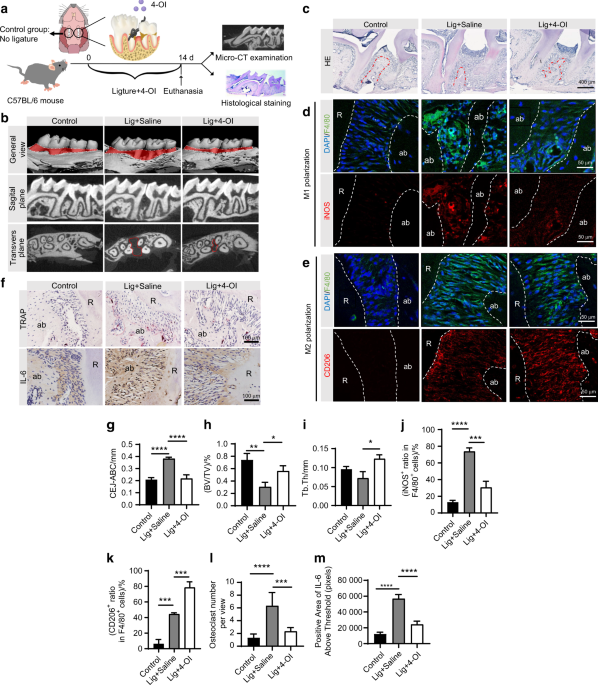
Four-Octyl itaconate ameliorates periodontal destruction via Nrf2-dependent antioxidant system

alexandrossfakianakis shared this article with you from Inoreader

41368_2022_177_Fig1_HTML.png

View on Web

Αναζήτηση αυτού του ιστολογίου