Ετικέτες

Δευτέρα 29 Αυγούστου 2022

Effect of Repeat Vaccination on Immunogenicity of Quadrivalent Cell-Culture and Recombinant Influenza Vaccines Among Healthcare Personnel Aged 18-64 Years: A Randomized, Open-Label Trial

alexandrossfakianakis shared this article with you from Inoreader
Abstract
Background
Antibody responses to non-egg-based standard-dose cell-culture influenza vaccine (containing 15 µg hemagglutinin (HA)/component) and recombinant vaccine (containing 45 µg HA/component) during consecutive seasons have not been studied in the United States.
Methods
In a randomized trial of immunogenicity of quadrivalent influenza vaccines among healthcare personnel (HCP) aged 18–64 years over two consecutive seasons, HCP who received recombinant-hemagglutinin (RIV) or cell-culture-based vaccine (ccIIV) during the first season (Y1) were re-randomized the second season of 2019-2020 (Y2) to receive ccIIV or RIV, resulting in four ccIIV-RIV combinations. In Y2, hemagglutination inhibition (HI) antibody titers against reference cell-grown vaccine viruses were compared in each ccIIV-RIV group with titers among HCP randomized both seasons to receive egg-based, standard-dose inactivated influenza vaccine (IIV), using geome tric mean titer (GMT) ratios of Y2-post-vaccination titers.
Results
Y2 data from 414 HCPs were analyzed per-protocol. Compared to 60 IIV/IIV recipients, 74 RIV/RIV and 106 ccIIV/RIV recipients showed significantly elevated GMT ratios (Bonferroni corrected P <.007) against all components except A (H3N2). Post-vaccination GMT ratios for ccIIV/ccIIV and RIV/ccIIV were not significantly elevated compared to IIV/IIV except for RIV/ccIIV against A(H1N1)pdm09.
Conclusions
In adult HCPs, receipt of RIV two consecutive seasons or the second season was more immunogenic than consecutive egg-based IIV for three of the four components of quadrivalent vaccine. Immunogenicity of ccIIV/ccIIV was similar to that of IIV/IIV. Differences in hemagglutinin antigen content may play a role in immunogenicity of influenza vaccination in consecutive seasons.
View on Web

Fra‐1 induces apoptosis and neuroinflammation by targeting S100A8 to modulate TLR4 pathways in spinal cord ischemia/reperfusion injury

alexandrossfakianakis shared this article with you from Inoreader
Fra-1 induces apoptosis and neuroinflammation by targeting S100A8 to modulate TLR4 pathways in spinal cord ischemia/reperfusion injury

Schematic illustration depicting the mechanism by which Fra-1-mediated S100A8/TLR4/NF-κB and ERK signaling in the regulation of apoptosis and neuroinflammation during spinal I/R.


Abstract

Spinal cord ischemia/reperfusion injury (SCII) is a severe complication driven by apoptosis and neuroinflammation. An increase in the expression of c-Fos, a member of the AP-1 family, is known as a neuronal activation marker in SCII. The AP-1 family is composed of Jun, Fos, and is associated with the regulation of cytokines expression and apoptosis. Fra-1 is a member of the Fos family, however, the contribution of Fra-1 to SCII is still unclear. In our study, Fra-1 was highly upregulated especially in neurons and microglia and promoted apoptosis by changing the expression of Bax/Bcl-2 after SCII. Furthermore, we found that Fra-1 directly regulated the transcription expression of S100A8. We demonstrated that knockdown of Fra-1 alleviated S100A8 mediated neuronal apoptosis and inflammatory factor release, thus improved motor function after SCII. Interestingly, we showed that administration of TAK-242, the TLR4 inhibitor, to the ischemia/reperfusion (I/R) injury induced rats suppress ed the activation of the ERK and NF-κB pathways, and further reduced Fra-1 expression. In conclusion, we found that Fra-1-targeted S100A8 was expressed the upstream of Fra-1, and the Fra-1/S100A8 interaction formed a feedback loop in the signaling pathways activated by SCII.

View on Web

The emergence, spread and vanishing of a French SARS‐CoV‐2 variant exemplifies the fate of RNA virus epidemics and obeys the Mistigri rule

alexandrossfakianakis shared this article with you from Inoreader

Abstract

The nature and dynamics of mutations associated with the emergence, spread and vanishing of SARS-CoV-2 variants causing successive waves are complex. We determined the kinetics of the most common French variant ("Marseille-4") for 10 months since its onset in July 2020. Here, we analysed and classified into subvariants and lineages 7,453 genomes obtained by next-generation sequencing. We identified two subvariants, Marseille-4A, which contains 22 different lineages of at least 50 genomes, and Marseille-4B. Their average lifetime was 4.1±1.4 months, during which 4.1±2.6 mutations accumulated. Growth rate was 0.079±0.045, varying from 0.010 to 0.173. Most of the lineages exhibited a bell-shaped distribution. Several beneficial mutations at unpredicted sites initiated a new outbreak, while the accumulation of other mutations resulted in more viral heterogenicity, increased diversity and vanishing of the lineages. Marseille-4B emerged when the other Marse ille-4 lineages vanished. Its ORF8 gene was knocked out by a stop codon, as reported in SARS-CoV-2 of mink and in the Alpha variant. This subvariant was associated with increased hospitalization and death rates, suggesting that ORF8 is a nonvirulence gene. We speculate that the observed heterogenicity of a lineage may predict the end of the outbreak.

This article is protected by copyright. All rights reserved.

View on Web

Radiological anatomical variations of the lateral nasal wall and anterior skull base amongst different populations: A systematic review and meta‐analysis

alexandrossfakianakis shared this article with you from Inoreader

Abstract

Objectives

To determine the anatomical variations of the lateral nasal wall and anterior skull base amongst populations in different geographical regions.

Design

Systematic review and meta-analysis.

Methods

Using PRISMA guidelines, SCOPUS and PUBMED databases were searched from inception until 1st March 2022. The regions and populations identified were from Europe, Asia, Middle East, Australia-New Zealand-Oceania, South America, North America and Africa. Random-effects model was used to estimate the pooled prevalence with 95% confidence intervals (CIs). Heterogeneity was assessed using the I 2 statistic and Cochran's Q test.

Main outcome measures

Anatomical variations of the lateral nasal wall and anterior skull base confirmed by computed tomography scan.

Results

56 articles were included with a total of 11805 persons. The most common anatomical variation of the ostiomeatal complex was pneumatization of the agger nasi (84.1%), olfactory fossa was Keros type 2 (53.8%) and ethmoids was asymmetry of the roof (42.8%). Sphenoethmoidal and suprabullar cells have a higher prevalence in North Americans (53.7%, 95% CI: 46.00-61.33) while asymmetry of ethmoid roof more common in Middle Easterns (85.5%, 95% CI: 0.00-100). Bent uncinate process has greater prevalence in Asians while supraorbital ethmoid cells and Keros type 3 more common in non-Asians. The overall studies have substantial heterogeneity and publication bias.

Conclusions

Certain anatomic variants are more common in a specific population. The 'approach of analysis' plays a role in the prevalence estimates and consensus should be made in future studies regarding the most appropriate 'approach of analysis' either by persons or by sides.

View on Web

Epidemiology and Etiology of Chronic Rhinosinusitis in Asia – a Narrative Review

alexandrossfakianakis shared this article with you from Inoreader

Abstract

Background

Despite having a similar prevalence to Western populations, literature on chronic rhinosinusitis (CRS) in the Asian population is sparse. There is limited data on the epidemiology and etiology of CRS in Asia.

Objectives

To review the current literature on the epidemiology and etiology of chronic rhinosinusitis (CRS) in Asia.

Methods

This is a narrative review of published data on the epidemiology and etiology of CRS. Studies on CRS in Asian countries, published in English and indexed on PubMed or Google Scholar were reviewed. Where available, data extracted included epidemiology, endotype and cytokine profiles and genetic profiles.

Results and Conclusion

The prevalence of CRS in Asia ranges widely from 2.1% -28.4%. Type 2 inflammation has been reported in 5-55% of Asian patients, with lower levels of Type 2 cytokines reported in head to head comparisons of Western vs Asian patients. Notably, there exists marked heterogeneity in criterion of the tissue eosinophilic infiltration for diagnosis of type 2 chronic rhinosinusitis. Our review suggests that differences in prevalence of CRS and proportion of eosinophilic CRS between Asia and Europe and the Americas requires further study. Large-scale Asian studies utilizing standardized definitions are needed to bridge this gap. Head to head genetic and microbiomal analysis may also be useful in understanding differences in CRS between the Asian and Western populations.

View on Web

The analgesic and anti‐hemorrhagic efficacy of platelet‐rich plasma in tonsillectomy: A systematic review and meta‐analysis of randomized controlled trials

alexandrossfakianakis shared this article with you from Inoreader

Abstract

Aim

To conduct a systematic review and meta-analysis of all randomized controlled trials (RCTs) that evaluated the analgesic and anti-hemorrhagic efficacy of platelet-rich plasma (PRP) among patients undergoing tonsillectomy.

Methods

PubMed, Scopus, Web of Science, Cochrane Central Register of Controlled Trials (CENTRAL), and Google Scholar databases were screened from inception until July 2021, and updated in December 2021. Risk of bias of the included studies was evaluated according to the Cochrane Collaboration tool. The efficacy endpoints were summarized as risk ratio (RR) or standardized mean difference (SMD) with 95% confidence interval (CI).

Results

Seven RCTs were analyzed, comprising a total of 392 patients. Risk of bias evaluation showed an overall high risk in one RCT, low risk in four RCTs, and some concerns in two RCTs. The pooled results revealed that the mean postoperative pain score was significantly reduced in favor of the PRP group compared with the control group (SMD=-1.38, 95% CI [-1.91, -0.85], p<0.001). Subgroup analysis showed the effect estimate was statistically significant for early postoperative pain (day 0 to day 3), without substantial difference between both groups on late postoperative pain (day 5 and day 7). Moreover, the rate of postoperative hemorrhage was significantly reduced in favor of the PRP group compared with the control group (RR=0.16, 95% CI [0.05, 0.50], p=0.001). Subgroup analysis showed the effect estimate was statistically significant for the rate of primary and secondary hemorrhage.

Conclusion

PRP was associated with significant reduction in postoperative pain and hemorrhage among patients undergoing tonsillectomy.

This article is protected by copyright. All rights reserved.

View on Web

Κυριακή 28 Αυγούστου 2022

Study on the surface properties of different commercially available CAD/CAM materials for implant‐supported restorations

alexandrossfakianakis shared this article with you from Inoreader

Abstract

Objective

To determine if there are any differences in surface characteristics (surface roughness and contact angle) among different CAD/CAM materials indicated for fabricating implant-supported restorations, following all the material preparation protocols provided by the manufacturer.

Materials and Methods

One-hundred forty-four specimens were divided into six groups: RBC (resin-based composite), PMMA (polymethyl methacrylate), PEEK (polyether ether ketone), ZP (zirconia polished), ZG (zirconia glazed) and CoCr4 (CoCr4 alloy). The experimental part included surface roughness (SR) and contact angle of water (WCA) analyses, fulfilled with Atomic Force Microscopy (AFM) and Scanning Electron Microscopy (SEM) view of surface topography. The data were analyzed using Kruskal-Wallis test with a Dunn's post hoc analysis, the correlation between measurements was tested using Spearman's rank correlation coefficient and all data were presented as mean ± SD.

Results

ZG specimens were significantly rougher compared to other groups (p ≤ 0.05). The WCA measurements revealed significantly lower mean values in ZG group (p ≤ 0.05), contrary to PEEK and CoCr4, where significantly higher mean values were observed, compared to other groups (p ≤ 0.05). There exist a moderate negative correlation between the SR and WCA (ρ = −0.41). AFM 3D and SEM 2D images presented more or less heterogeneous surface of all materials.

Conclusions

There were statistically significant differences in surface roughness and contact angle among tested material groups. Moderate negative correlation was found between surface roughness and contact angle of tested material groups.

Clinical Significance

The study gives us a better understanding of influence of physicochemical characteristics of investigated materials on their surface properties and provides useful knowledge for future researches in a view of material's behavior under in vivo conditions, when it comes to a question of features related to surface quality, such as microbial adhesion, corrosion, wear, biocompatibility and esthetics.

View on Web

Πέμπτη 25 Αυγούστου 2022

Low spontaneous clearance rates of recently acquired hepatitis C virus in HIV-positive MSM (The PROBE-C Study)

alexandrossfakianakis shared this article with you from Inoreader

cid_ogimage.png

Abstract
Background
Using direct acting antivirals (DAA) for recently acquired hepatitis C virus (RAHCV-) infections, particularly in HIV-positive men having sex with men (MSM), dramatically reduced hepatitis C incidence. However, implementation into clinical practice is challenging. The aim of this study was to analyse spontaneous clearance (SC) rates of RAHCV and to identify predictors of SC.
Methods
The PROBE-C study is an observational European cohort on RAH CV-infections in HIV-positive MSM. Between 2007 and 2017, RAHCV-infections were documented with at least 12 months of follow-up. Fisher's exact, chi-square and Mann-Whitney U test were used for statistical analysis.
Results
464 RAHCV-infections were documented. 457/464 (98%) cases were male, median age was 41 years (IQR 38-46). Main risk groups for HCV-transmission were MSM (98.9%). Most participants were infected with HCV-genotype (GT) 1 (78.3%). Median baseline HCV-RNA was 230,000 (135,000-474,432) IU/mL, median CD4+-T cell count was 574 (547-604) cells/µL. 92% of all cases received combination antiretroviral therapy with 91% showing suppressed HIV-RNA (<200 copies/mL). Median maximum alanine aminotransferase was 445 (402-522) U/L.SC of RAHCV-infection occurred in 55/464 (11.9%) cases. A >2log decline in HCV-RNA four weeks after diagnosis of RAHCV infection was the strongest predictor of SC (p < 0.001, sensitivity 96.4%, specificity 97.5%, PPV 8 4.1%, NPV 99.5%).
Conclusions
SC of RAHCV in HIV-positive MSM is only found in 11.9% of cases and a <2log drop in HCV-RNA at week four after diagnosis should prompt for early DAA-based treatment. However, immediate DAA treatment for RAHCV-infection may also be favoured in patients with ongoing transmission risk behaviour.

View on Web

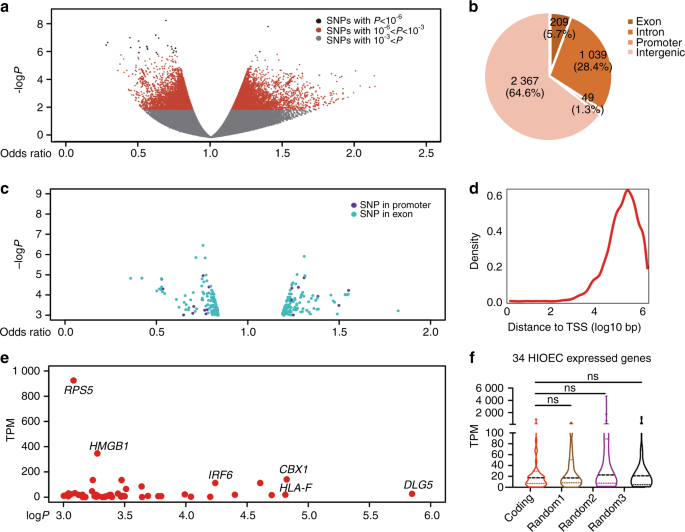
Chromatin conformation of human oral epithelium can identify orofacial cleft missing functional variants

alexandrossfakianakis shared this article with you from Inoreader

41368_2022_194_Fig1_HTML.png

International Journal of Oral Science, Published online: 25 August 2022; doi:10.1038/s41368-022-00194-0

Chromatin conformation of human oral epithelium can identify orofacial cleft missing functional variants
View on Web

Plasma Circulating Tumor HPV DNA and HPV-Related Oropharynx Cancer—A Caution—Reply

alexandrossfakianakis shared this article with you from Inoreader

jamanetwork.com

In Reply Dr Johnson and colleagues raise a good point, as expressed in our article, that our findings should not be inferred to suggest that circulating tumor human papillomavirus (HPV) DNA (ctHPVDNA) is ready to be used for screening. Our observation that no ctHPVDNA was detected in healthy participants with detectable salivary HPV DNA or E6 serum antibody suggests a low false-positive rate (ie, suggests good specificity). However, as pointed out in the discussion of our research letter, and by Johnson et al, it is possible that the detection methods used in our study could be insensitive, and additional research is needed to verify the finding of high specificity in our study.
View on Web

Αναζήτηση αυτού του ιστολογίου