Ετικέτες

Δευτέρα 26 Απριλίου 2021

Cancers, Vol. 13, Pages 2099: De-Escalation of Therapy for Patients with Early-Stage Squamous Cell Carcinoma of the Anus

xloma.fota13 shared this article with you from Inoreader
Via Cancers

cancers-logo-sq.png?408dc9807ec22d6b

Cancers, Vol. 13, Pages 2099: De-Escalation of Therapy for Patients with Early-Stage Squamous Cell Carcinoma of the Anus

Cancers doi: 10.3390/cancers13092099

Authors: Eric Miller Jose Bazan

The incidence of squamous cell carcinoma of the anus (SCCA) is increasing, particularly in the elderly, with increased mortality in this age group. While the current standard of care for localized SCCA remains chemoradiation (CRT), completion of this treatment can be challenging with risks for severe acute and late toxicity. It remains unclear if full course CRT is required for the management of early-stage SCCA or if de-escalation of treatment is possible without compromising patient outcomes. Alternative therapies include radiation therapy alone or local excision for appropriate patients. Modifying standard CRT may also reduce toxicity including the routine use of intensity-modulated radiation therapy for treatment delivery, modification of treatment volumes, and selection and dosing of concurrent systemic therapy agents. Finally, we provide an overview of currently accruing prospective trials focused on defining the role of de-escalation of therapy in patients with early-stage SCCA.

View on the web

Critical illness-related corticosteroid insufficiency during difficult weaning from mechanical ventilation

xloma.fota13 shared this article with you from Inoreader

13613.jpg

Critical illness-related corticosteroid insufficiency (CIRCI) is common during critical illness and is usually associated with poor outcomes, as prolonged duration of mechanical ventilation (MV) and higher mor...
View on the web

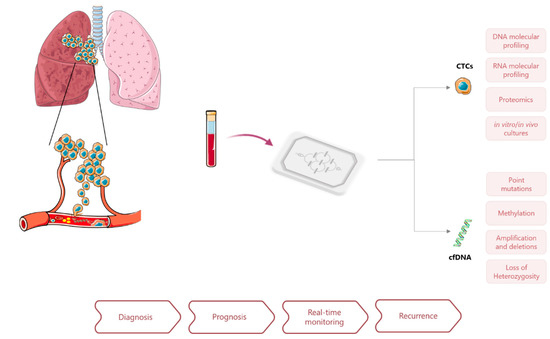
Cancers, Vol. 13, Pages 2101: Emerging Lab-on-a-Chip Approaches for Liquid Biopsy in Lung Cancer: Status in CTCs and ctDNA Research and Clinical Validation

xloma.fota13 shared this article with you from Inoreader
Via Cancers

cancers-13-02101-g001-550.jpg

Cancers, Vol. 13, Pages 2101: Emerging Lab-on-a-Chip Approaches for Liquid Biopsy in Lung Cancer: Status in CTCs and ctDNA Research and Clinical Validation

Cancers doi: 10.3390/cancers13092101

Authors: Ângela Carvalho Gabriela Ferreira Duarte Seixas Catarina Guimarães-Teixeira Rui Henrique Fernando J. Monteiro Carmen Jerónimo

Despite the intensive efforts dedicated to cancer diagnosis and treatment, lung cancer (LCa) remains the leading cause of cancer-related mortality, worldwide. The poor survival rate among lung cancer patients commonly results from diagnosis at late-stage, limitations in characterizing tumor heterogeneity and the lack of non-invasive tools for detection of residual disease and early recurrence. Henceforth, research on liquid biopsies has been increasingly devoted to overcoming these major limitations and improving management of LCa patients. Liquid biopsy is an emerging field that has evolved significantly in recent years due its minimally invasive nature and potential to assess various disease biomarkers. Several strategies for characterization of circulating tumor cells (CTCs) and circulating tumor DNA (ctDNA) have been developed. With the aim of standardizing diagnostic and follow-up practices, microfluidic devices have been introduced to improve biomarkers isolation efficiency and specificity. Nonetheless, implementation of lab-on-a-chip platforms in clinical practice may face some challenges, considering its recent application to liquid biopsies. In this review, recent advances and strategies for the use of liquid biopsies in LCa management are discussed, focusing on high-throughput microfluidic devices applied for CTCs and ctDNA isolation and detection, current clinical validation studies and potential clinical utility.

View on the web

Correlation of Voice Hoarseness and Vocal Cord Palsy: A Prospective Assessment of Recurrent Laryngeal Nerve Injury Following Anterior Cervical Discectomy and Fusion

xloma.fota13 shared this article with you from Inoreader

Int J Spine Surg. 2021 Feb;15(1):12-17. doi: 10.14444/8001. Epub 2021 Feb 12.

ABSTRACT

BACKGROUND: Injury to the recurrent laryngeal nerve (RLN) has been implicated as a common complication following anterior cervical discectomy and fusion (ACDF) surgery. The purpose of this study is to determine the true incidence of voice hoarseness and RLN palsy following ACDF surgery, to determine the reliability of symptoms in the diagnosis of RLN injury, and to evaluate factors related to the development of these symptoms.

METHODS: All patients undergoing elective (primary or secondary) ACDF surgery at a single institution consented to and enrolled in the present study. All approaches were through the left side. Enrolled patients received both preoperative and postoperative (within 1 month following surgery) laryngoscopy by a fellowship-trained ENT physician for evaluation of RLN function. Patients also responded as to whether they were experienci ng postoperative symptoms of dysphagia, aspiration, and voice changes.

RESULTS: In total, 108 patients were included in this study. Mean age of the population was 59.2 ± 10.7 years and mean body mass index was 31.2 ± 7.1 kg/m2. Three patients had previously undergone a thyroidectomy, whereas 20 patients had undergone a previous ACDF. Average intubation time for ACDF surgery was 121.6 ± 38.5 minutes. After surgery and excluding patients who were experiencing preoperative symptoms, 19 patients (20.4%) complained of dysphagia, 2 patients (1.9%) complained of aspiration symptoms, and 5 patients (4.6%) complained of voice hoarseness. There was no incidence of vocal cord palsy from postoperative laryngoscopy. From multivariate analysis, endotracheal cuff pressure after retractor placement was correlated to postoperative voice hoarseness, dysphagia, and aspiration symptoms.

CONCLUSIONS: From the results of this prospective study, the RLN remained functional even a month after surgery despite several cases of postoperative dysphagia, aspiration, and voice changes. Endotracheal cuff pressure, number of vertebral levels, body mass index, and intubation time were important variables related to postoperative symptoms.

CLINICAL RELEVANCE: Voice hoarseness does not necessarily indicate recurrent laryngeal nerve injury after ACDF but may be caused by compressive forces on laryngeal tissue during retraction or intubation. Laryngoscopy should be performed in cases with high clinical suspicion.

LEVEL OF EVIDENCE: 2.

PMID:33900952 | DOI:10.14444/8001

View on the web

Web-Based Educational Intervention for Patients With Uninvestigated Dyspepsia Referred for Upper Gastrointestinal Tract Endoscopy: A Randomized Clinical Trial

xloma.fota13 shared this article with you from Inoreader

JAMA Intern Med. 2021 Apr 26. doi: 10.1001/jamainternmed.2021.1408. Online ahead of print.

ABSTRACT

IMPORTANCE: Diagnostic yield of upper gastrointestinal (GI) tract endoscopy for uninvestigated dyspepsia is low, and its clinical implications are limited. There is an unmet need for better strategies to reduce the volume of upper GI tract endoscopic procedures for dyspepsia.

OBJECTIVE: To study the effectiveness of a web-based educational intervention as a tool to reduce upper GI tract endoscopy in uninvestigated dyspepsia.

DESIGN, SETTING, AND PARTICIPANTS: This open-label, multicenter, randomized clinical trial enrolled participants between November 1, 2017, and March 31, 2019, with follow-up 52 weeks after randomization, at 4 teaching hospitals in the Netherlands. Participants included patients with uninvestigated dyspeptic symptoms who were referred for upper GI tract endoscopy by their general health care clinician without pri or consultation of a gastroenterologist. A total of 119 patients, aged 18 to 69 years, were included. Patients were excluded if any of the following red flag symptoms were present: (indirect) signs of upper GI tract hemorrhage (hematemesis, melena, hematochezia, or anemia), unintentional weight loss of 5% or higher of normal body weight during a period of 6 to 12 months, persistent vomiting, dysphagia, or jaundice.

INTERVENTIONS: Patients were randomly assigned (1:1) to education (intervention) or upper GI tract endoscopy (control). Education consisted of a self-managed web-based educational intervention, containing information on gastric function, dyspepsia, and upper GI tract endoscopy.

MAIN OUTCOMES AND MEASURES: Difference in the proportion of upper GI tract endoscopy procedures between those who received access to the web-based educational intervention and those who did not at 12 weeks and 52 weeks after randomization, analyzed in the intention-to-treat population. Secondary outcomes included quality of life (Nepean Dyspepsia Index) and symptom severity (Patient Assessment of Gastrointestinal Disorders Symptom Severity Index) measured at baseline and 12 weeks.

RESULTS: Of 119 patients included (median age, 48 years [interquartile range, 37-56 years]; 48 men [40%]), 62 were randomized to web-based education (intervention) and 57 to upper GI tract endoscopy (control). Significantly fewer patients compared with controls underwent upper GI tract endoscopy after using the web-based educational intervention: 24 (39%) vs 47 (82%) (relative risk, 0.46; 95% CI, 0.33-0.64; P < .001). Symptom severity and quality of life improved equivalently in both groups. One additional patient in the intervention group required upper GI tract endoscopy during follow-up.

CONCLUSIONS AND RELEVANCE: Findings of this study indicate that web-based patient education is an effective tool to decrease the need for upper GI tract endoscopy in uninvestigated dysp epsia.

TRIAL REGISTRATION: ClinicalTrials.gov Identifier: NCT03205319.

PMID:33900373 | DOI:10.1001/jamainternmed.2021.1408

View on the web

Κυριακή 25 Απριλίου 2021

Endoscopic diagnosis of early-stage primary esophageal small cell carcinoma: Report of two cases

paythelady.612 shared this article with you from Inoreader

World J Clin Cases. 2021 Apr 16;9(11):2562-2568. doi: 10.12998/wjcc.v9.i11.2562.

ABSTRACT

BACKGROUND: Primary esophageal small cell carcinoma (PESCC) is a highly aggressive malignancy, and its detailed clinical behaviors have remained virtually unknown. Because of the rapid tumor progression, the diagnosis of esophageal small cell carcinoma at early stage is extremely difficult in clinical practice. Currently, only a handful of PESCC cases have been reported.

CASE SUMMARY: Case 1: A 62-year-old man was diagnosed with an esophageal submucosal tumor by endoscopy. Endoscopic ultrasonography showed a 0.8 cm low echo nodule in the muscularis mucosa. As the patient refused to undergo endoscopic resection, neoplasia was detected by endoscopy 1 year later. Case 2: A 68-year-old woman was diagnosed as having an esophageal submucosal tumor by endoscopy at a local hospital. About 2 wk later, we performed endoscopic ultrasonography and found a 1 cm low echo nodule in the muscularis mucosa; the submucosal was thinner than normal but still continuous; mucosal hyperemia and erosion were found on the surface of the tumor. Endoscopic submucosal dissection (ESD) was performed and the histopathological finding showed a small cell carcinoma invading the submucosal layer.

CONCLUSION: Early esophageal small cell carcinoma shows submucosal infiltrating growth with a hypoechoic mass in the muscularis mucosa as diagnosed by endoscopic ultrasonography. It is easily misdiagnosed as submucosal masses. Endoscopic manifestations should be identified and pathological biopsies should be employed. ESD may be performed to provide an opportunity for early treatment of PESCC.

PMID:33889621 | PMC:PMC8040171 | DOI:10.12998/wjcc.v9.i11.2562

View on the web

Triple administration of osimertinib followed by chemotherapy for advanced lung adenocarcinoma: A case report

paythelady.612 shared this article with you from Inoreader

World J Clin Cases. 2021 Apr 16;9(11):2627-2633. doi: 10.12998/wjcc.v9.i11.2627.

ABSTRACT

BACKGROUND: Osimertinib is the recommended first-line treatment for adult patients with epidermal growth factor receptor (EGFR) mutation positive advanced or metastatic non-small cell lung cancer (NSCLC). However, primary or acquired resistance to EGFR-tyrosine kinase inhibitors (EGFR-TKIs) seems inevitable, and when drug-resistance occurs during treatment with osimertinib, the standard of care is to discontinue the TKI.

CASE SUMMARY: A 57-year-old female patient with lung adenocarcinoma presented with an irritating cough accompanied by chest distress of one month duration. An enhanced head magnetic resonance imaging scan showed brain metastases. An EGFR mutation (exon 21 L858R) was detected in pleural fluid. The patient was treated with oral osimertinib (80 mg once daily) from January 2018 but developed progressive disease on December 2018. She was then successfully treated with re-challenge and tri-challenge with osimertinib (80 mg once daily) by resensitization chemotherapy twice after the occurrence of drug-resistance to osimertinib, and to date has survived for 31 mo.

CONCLUSION: This case may provide some selective therapeutic options for NSCLC patients with acquired drug-resistance who were previously controlled on osimertinib treatment.

PMID:33889629 | PMC:PMC8040179 | DOI:10.12998/wjcc.v9.i11.2627

View on the web

Current status of radical laparoscopy for treating hepatocellular carcinoma with portal hypertension

paythelady.612 shared this article with you from Inoreader

World J Clin Cases. 2021 Apr 16;9(11):2419-2432. doi: 10.12998/wjcc.v9.i11.2419.

ABSTRACT

The laparoscopic technique is clinically effective in treating hepatocellular carcinoma (HCC) with portal hypertension (PHT). However, existing studies lack systematic arrangement and induction. Here, we review the latest research advancement in laparoscopic technique for treatment of HCC with PHT, based on published literature and our single-institution experience. Our single-center experience reveals no statistical difference in both short- and long-term prognosis of HCC patients after laparoscopic liver resection (LLR), regardless of whether they suffer from PHT, which is consistent with previous studies on the use of LLR for HCC with PHT. Retrieval outcomes indicate existence of short- and long-term prognostic superiority, following laparoscopic treatment, relative to non-laparoscopic treatment. Besides that, LLR offers long-term prognostic ad vantage compared to laparoscopic radiofrequency ablation. In addition, we review the previous literature and propose corresponding perspectives on the therapy of hypersplenism, the utilization of Pringle maneuver, and the adoption of anatomical hepatectomy during radical laparoscopic treatment. HCC with PHT is not the "forbidden zone" of radical laparoscopic treatment. However, patients' preoperative liver function should be adequately estimated.

PMID:33889608 | PMC:PMC8040172 | DOI:10.12998/wjcc.v9.i11.2419

View on the web

Anesthetic management of a child with double outlet right ventricle and severe polycythemia: A case report

paythelady.612 shared this article with you from Inoreader

World J Clin Cases. 2021 Apr 16;9(11):2634-2640. doi: 10.12998/wjcc.v9.i11.2634.

ABSTRACT

BACKGROUND: Double outlet right ventricle (DORV) is a rare and complex congenital heart defect, and the surgical repairs vary with type and pathophysiology consequences. Due to prolonged progressive hypoxemia, severe polycythemia is common in patients with DORV, which ultimately leads to coagulation dysfunction and increases the risk of thrombosis and infarction. Consequently, the anesthetic management is challenging and how to manage severe polycythemia and avoid hypoxia-related complications in such patients is of great significance.

CASE SUMMARY: Herein, we report the anesthetic management of a 10-year-old female patient with a DORV. She lived in the low-oxygen Qinghai-Tibet Plateau, and presented with severe polycythemia (hemoglobin, 24.8 g/dL; hematocrit, 75%). She underwent a modified Fontan surgery, which was satisfactory and without any perioperative complications. Our anesthetic management highlights the importance of perioperative hemodilution in decreasing the risk of thromboembolism and the importance of correcting coagulopathy in preventing hemorrhage.

CONCLUSION: Anesthetic management is challenging in rare cyanotic congenital heart disease patients with severe polycythemia. It is important to adopt perioperative hemodilution and correction of coagulopathy in preventing thrombosis and hemorrhage.

PMID:33889630 | PMC:PMC8040181 | DOI:10.12998/wjcc.v9.i11.2634

View on the web

Possible effect of blonanserin on gambling disorder: A clinical study protocol and a case report

paythelady.612 shared this article with you from Inoreader

World J Clin Cases. 2021 Apr 16;9(11):2469-2477. doi: 10.12998/wjcc.v9.i11.2469.

ABSTRACT

BACKGROUND: Gambling disorder is characterized by excessive and recurrent gambling and can have serious negative social consequences. Although several psychotherapeutic and pharmacological approaches have been used to treat gambling disorder, new treatment strategies are needed. Growing evidence suggests that dopamine D3 receptor plays a specific role in the brain reward system.

AIM: To investigate if blonanserin, a dopamine D3 receptor antagonist, would be effective in reducing gambling impulses in patients with gambling disorder.

METHODS: We developed a study protocol to measure the efficacy and safety of blonanserin as a potential drug for gambling disorder, in which up to 12 mg/d of blonanserin was prescribed for 8 wk.

RESULTS: A 37-year-old female patient with gambling disorder, intellectual disability, and other physical di seases participated in the pilot study. The case showed improvement of gambling symptoms without any psychotherapy. However, blonanserin was discontinued owing to excessive saliva production.

CONCLUSION: This case suggests that blonanserin is potentially an effective treatment for patients with gambling disorder who resist standard therapies, but it also carries a risk of adverse effects. Further studies are needed to confirm the findings.

PMID:33889612 | PMC:PMC8040182 | DOI:10.12998/wjcc.v9.i11.2469

View on the web

Combined immune checkpoint inhibitors of CTLA4 and PD-1 for hepatic melanoma of unknown primary origin: A case report

paythelady.612 shared this article with you from Inoreader

World J Clin Cases. 2021 Apr 16;9(11):2641-2648. doi: 10.12998/wjcc.v9.i11.2641.

ABSTRACT

BACKGROUND: Melanoma is uncommonly found in lymph nodes, subcutaneous tissue, or visceral organs without a primary lesion, where it is identified as metastatic melanoma with unknown primary (MUP). Hepatic MUP is extremely rare and has a poor prognosis. There is limited information on its pathogenesis, clinical and imaging features, and pathological findings. There are no guidelines for the use of immune checkpoint inhibitors (ICIs) in hepatic MUP, and the treatment outcome has rarely been reported.

CASE SUMMARY: A 42-year-old woman presented to our hospital with hepatic tumors found incidentally during a routine check-up. Contrast-enhanced abdominal com-puterized tomography showed multiple mass lesions in the liver. Pathological results revealed melanoma, which was confirmed by immunohistochemical staining for HMB-45(+), Melan-A(+), S-100(+) , and SOX10(+). There was no evidence of primary cutaneous, ocular, gastrointestinal, or anal lesion on a comprehensive examination. The patient was diagnosed with hepatic MUP. She received combined antibodies against cytotoxic T-lymphocyte-associated antigen 4 (CTLA-4, ipilimumab) and programmed death protein-1 (PD-1, nivolumab). She died of hepatic failure 9 mo after hepatic MUP was diagnosed. This the first case of hepatic MUP treated with combined ipilimumab and nivolumab, who showed better outcome than previous cases.

CONCLUSION: Combined ICIs of PD-1 and CTLA-4 may be considered as the first-line therapy for patients with hepatic MUP.

PMID:33889631 | PMC:PMC8040165 | DOI:10.12998/wjcc.v9.i11.2641

View on the web

Αναζήτηση αυτού του ιστολογίου