Ετικέτες

Τετάρτη 6 Απριλίου 2022

Vaccines, Vol. 10, Pages 570: Changing Perspectives on Pediatric Human Papillomavirus (HPV)

alkiviadis.1961 shared this article with you from Inoreader
Via Vaccines

Vaccines, Vol. 10, Pages 570: Changing Perspectives on Pediatric Human Papillomavirus (HPV) Vaccination among Dental Students and Residents Reveals Recent Increase in Vaccine Hesitancy

Vaccines doi: 10.3390/vaccines10040570

Authors: Rebecca Maginot Carolina Esteves Karl Kingsley

This study was a retrospective analysis of previously collected anonymous survey data regarding vaccine awareness, beliefs, and knowledge among dental (DMD) students and postgraduate (PG) residents. The protocol for this study was approved by the Institutional Review Board (IRB) as exempt. A total of 341 responses were collected from n = 293 DMD students and n = 48 PG residents. Although most respondents agreed that vaccines were necessary, safe, and effective, over the past 4 years (2017–2020) a growing percentage of respondents disagreed. In addition, although most respondents disagreed that there are too many required vaccines, vaccines can make you sick, or are dangerous,a growing percentage of respondents now agreed with these statements. Finally, although most respondents were aware of the HPV vaccine, recently a growing percentage of both students and residents reported they had insufficient information about this vaccine. These results provide novel insights int o recent changes in attitudes and beliefs regarding vaccination among this population. Moreover, analysis of these shifts in attitudes and knowledge about HPV vaccination suggests that curricular integration of vaccine research and hesitancy may be needed to answer these questions in a supportive learning environment that fosters critical thinking and evidence-based practice and decision making.

View on the web

Splenic calcifications: an unusual finding in systemic lupus erythematosus

alkiviadis.1961 shared this article with you from Inoreader
View on the web

Detecting Interval Distant Metastases With 18F-FDG PET/CT After Neoadjuvant Chemoradiotherapy for Locally Advanced Esophageal Cancer

alexandrossfakianakis shared this article with you from Inoreader
imagePurpose Patients with esophageal cancer can develop distant metastases between the start of neoadjuvant chemoradiotherapy (nCRT) and planned surgery (ie, interval distant metastases). 18F-FDG PET/CT restaging after nCRT detects interval distant metastases in ~8% of patients. This study aimed to identify patients for whom 18F-FDG PET/CT restaging after nCRT could be omitted using an existing prediction model predicting for interval distant metastases or by using clinical stage groups. Patients and Methods Patients with locally advanced esophageal cancer who underwent baseline and restaging 18F-FDG PET/CT, nCRT, and were planned for esophagectomy between 2017 and 2021 were eligible for inclusion in this retrospective study. The primary outcome was the existing model's external performance (ie, discrimination and calibration) for predicting interval distant metastases. The existing model predictors included tumor length, cN status, squamous cell carcinoma histology, and baseline SUVmax. The secondary outcome determined the clinical stage groups (AJCC/UICC eighth edition) for adenocarcinoma and squamous cell carcinoma for which the incidence of interval distant metastases was
View on the web

High-quality imaging of endolymphatic hydrops acquired in 7 minutes using sensitive hT2W–3D–FLAIR reconstructed with magnitude and zero-filled interpolation

paythelady.61 shared this article with you from Inoreader

Abstract

Background

It is still challenging to detect endolymphatic hydrops (EH) in patients with Meniere's disease (MD) using MRI. The aim of the present study was to optimize a sensitive technique generating strong contrast enhancement from minimum gadolinium–diethylenetriamine pentaacetic acid (Gd–DTPA) while reliably detecting EH in the inner ear, including the apex.

Materials and methods

All imaging was performed using a 3.0 T MR system 24 h after intratympanic injection of low-dose Gd–DTPA. Heavily T2-weighted 3-dimensional fluid-attenuated inversion recovery reconstructed with magnitude and zero-filled interpolation (hT2W–FLAIR–ZFI) was optimized and validated in phantom studies and compared with medium inversion time inversion recovery imaging with magnitude reconstruction (MIIRMR). The following parameters were used in hT2W–FLAIR–ZFI: repetition time 14,000 ms, echo time 663 ms, inversion time 2900 ms, flip angle 120°, echo train length 271, and field of view 166 × 196 mm2.

Results

MRI obtained using hT2W–FLAIR–MZFI yielded high-quality images with sharper and smoother borders between the endolymph and perilymph and a higher signal intensity ratio and more homogenous perilymph enhancement than those generated with MIIRMR (p < 0.01). There were predominantly grade II EHs in the cochleae and grade III EHs in the vestibule in definite MD. EH was detected in the apex of 11/16 ipsilateral ears, 3/16 contralateral ears in unilateral definite MD and 3/6 ears in bilateral MD.

Conclusions

The novel hT2W–FLAIR–MZFI technique is sensitive and demonstrates strong and homogenous enhancement by minimum Gd–DTPA in the inner ear, including the apex, and yields high-quality images with sharp borders between the endolymph and perilymph.

View on the web

Comparison of PET-CT, CT and MRI scan in initial staging and management of head and neck cancers

paythelady.61 shared this article with you from Inoreader

Abstract

Background

To evaluate the utility of positron-emission tomography (FDG PET) in initial staging and management of head and neck cancers.

Methods

This is a retrospective study of 99 treatment naïve head and neck cancer patients treated between January 2017 and December 2020 at a tertiary teaching centre. Change in initial staging and management was noted based on PET scan compared to cross-sectional imaging (CT and MRI).

Results

There were 73 (73.7%) males and 26 (26.2%) females with male-to-female ratio of 2.8:1.Overall, change in management was seen in 36/99 (36.4%) patients due to PET scan. With regards to initial staging, T, N and M stage was changed in 14/99 (14.1%), 19/99 (19.1%) and 3/99 (3%) patients, respectively. These changes were significantly higher in patients with unknown primary (63.3%, p value −0.001) and N3 (41%, p −0.045) nodal disease.

Conclusion

PET-CT plays an important role in appropriate initial staging and subsequent treatment planning of head and neck cancers.

Advances in knowledge

Initial staging PETCT changes management in 36.4% cases. Accuracy of various different imaging modalities have been compared.

View on the web

Skeletal maturation in different anteroposterior and vertical skeletal growth patterns in female subjects

paythelady.61 shared this article with you from Inoreader

56.jpg

Abstract

Purpose

The aim of the present work was to study the sequence of skeletal maturation in the various anteroposterior and vertical skeletal growth patterns and to detect whether differences existed between them.

Methods

Cephalograms of 861 growing and adolescent female patients were traced to categorize the subjects into 9 skeletal patterns. Each subject was assigned a skeletal maturational stage. Analysis of variance (ANOVA) followed by Bonferroni test were used to detect differences in the onset of the three growth stages (prepubertal, pubertal and postpubertal) between the 9 groups. The same statistical methods were used to detect differences between the mean ages at the three growth stages within each group.

Results

No statistically significant differences were found between the mean ages of pubertal and postpubertal growth stages between the 9 skeletal patterns. However, class III growers had a significantly earlier onset of prepubertal growth (10.25 ± 1.56 years) when compared to that of class II high angle cases (11.11 ± 1.67 years; P < 0.01). Also, significant differences were found between the mean ages at the three growth stages within the groups.

Conclusion

A map was created defining the sequence of skeletal maturation for each skeletal growth pattern. This map defines clinically relevant differences in the starting time points and the optimum intervals of growth modification for each skeletal growth pattern.

View on the web

Τρίτη 5 Απριλίου 2022

Between a Rock and a Hard Place: Anticoagulating an Adolescent with Post-Tonsillectomy Massive PE: A Case Report

paythelady.61 shared this article with you from Inoreader
Annals of Otology, Rhinology &Laryngology, Ahead of Print.
Objectives:To report a case of a morbidly obese 17-year-old boy who presented 4 days post-tonsillectomy with acute deep venous thromboses and a massive pulmonary embolism. To describe a protocol and decision-making tree for providing anticoagulation in the immediate post-tonsillectomy period.Methods:A chart review and review of the literature.Results:The patient ultimately did well and had no bleeding from the tonsil beds or further thromboembolic complications. A review of the literature revealed no available data regarding the safety of anticoagulation in the immediate post-tonsillectomy period.Conclusions:We propose that if anticoagulation is needed within 14 days of tonsillectomy, submaximal anticoagulation with a reversible and titratable anticoagulant may be optimal. A multidisciplinary team approach is needed for these complex cases. Future reporting and investigation of anticoagulation post-tonsillec tomy is needed.
View on the web

Quantitative proteomics in medication‐related osteonecrosis of the jaw: a proof‐of‐concept study

paythelady.61 shared this article with you from Inoreader

ABSTRACT

Objective

Medication-related osteonecrosis of the jaw (MRONJ) is a paradoxical effect associated with bone modifying agents (BMAs) and other drugs. Currently no valuable diagnostic or prognosis biomarkers exist. This goal of this research was to study MRONJ related salivary proteome.

Materials and Methods

This case-control aimed to study salivary proteome in MRONJ versus control groups i) formed from BMAs consumers and ii) healthy individuals to unravel biomarkers. 38 samples of unstimulated whole saliva (18 MRONJ patients, 10 BMA consumers, and 10 healthy controls) were collected. Proteomic analysis by SWATH-MS coupled to bioinformatics analysis was executed.

Results

586 proteins were identified, 175 proteins showed significant differences among MRONJ versus controls. SWATH-MS revealed differentially expressed proteins among three groups, which have never isolated. These proteins had distinct roles including cell envelope organization, positive regulation of vesicle fusion, positive regulation of receptor binding, or regulation of low-density lipoprotein particle clearance. Integrative analysis prioritised 3 proteins (MMP9, AACT and HBD). Under receiver operating characteristic analysis, this panel discriminated MRONJ with a sensitivity of 90% and a specificity of 78.9%.

Conclusion

These findings may inform of a novel biomarker panel for MRONJ prediction or diagnosis. Nonetheless, further research is needed to validate this panel.

View on the web

Comparison of Responses to DCN vs. VCN Stimulation in a Mouse Model of the Auditory Brainstem Implant (ABI)

paythelady.61 shared this article with you from Inoreader

Abstract

The auditory brainstem implant (ABI) is an auditory neuroprosthesis that provides hearing to deaf patients by electrically stimulating the cochlear nucleus (CN) of the brainstem. Whether such stimulation activates one or the other of the CN's two major subdivisions is not known. Here, we demonstrate clear response differences from the stimulation of the dorsal (D) vs. ventral (V) subdivisions of the CN in a mouse model of the ABI with a surface-stimulating electrode array. For the DCN, low levels of stimulation evoked multiunit responses in the inferior colliculus (IC) that were unimodally distributed with early latencies (avg. peak latency of 3.3 ms). However, high levels of stimulation evoked a bimodal distribution with the addition of a late latency response peak (avg. peak latency of 7.1 ms). For the VCN, in contrast, electrical stimulation elicited multiunit responses that were usually unimodal and had a latency similar to the DCN's late respon se. Local field potentials (LFP) from the IC showed components that correlated with early and late multiunit responses. Surgical cuts to sever the output of the DCN, the dorsal acoustic stria (DAS), gave insight into the origin of these early and late responses. Cuts eliminated early responses but had little-to-no effect on late responses. The early responses thus originate from cells that project through the DAS, such as DCN's pyramidal and giant cells. Late responses likely arise from the spread of stimulation from a DCN-placed electrode array to the VCN and could originate in bushy and/or stellate cells. In human ABI users, the spread of stimulation in the CN may result in abnormal response patterns that could hinder performance.

View on the web

Δευτέρα 4 Απριλίου 2022

Occlusal schemes for complete dentures

paythelady.61 shared this article with you from Inoreader

Message:

APR
4
2022Profile photo of Derek Richards
Posted by
Derek Richards
shutterstock_13679275
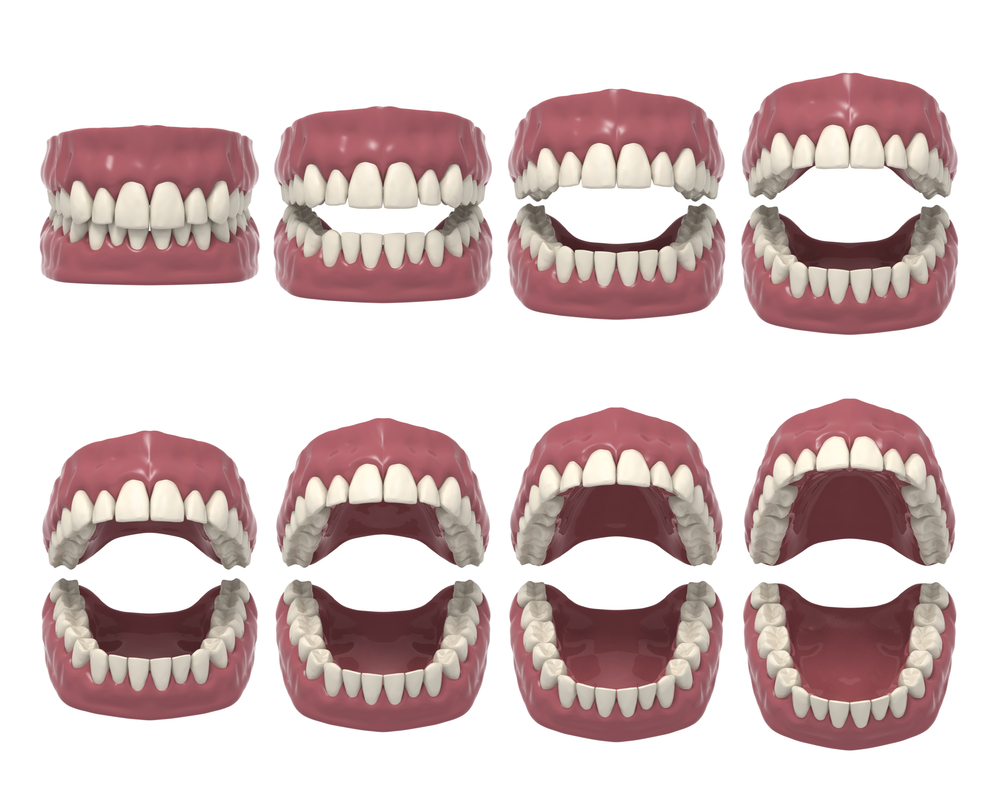
Occlusal schemes for complete dentures may influence clinical performance and patient satisfaction. Patient characteristics such as alveolar ridge shape and height also influence choice of scheme. There are several schemes to choose from including bilateral balanced, lingualised, canine guidance, group function, and monoplane. A number of studies and reviews have been conducted but a consensus on an ideal occlusal scheme if lacking.

The aim of this overview was to assess the methodological quality and summarize the scientific evidence from secondary studies about the influence of occlusal schemes on the clinical performance of and patient satisfaction with complete dentures.

Methods
A protocol for the review was registered with PROSPERO. Searches were carried out in the Cochrane Library, PubMed, Embase, LILACS, Scopus, the Web of Science, PROSPERO, Google Scholar and Open Science Framework databases. Systematic reviews that included randomized or non-randomized clinical trials evaluating conventional complete dentures with different occlusion schemes on clinical performance and patient satisfaction were considered. Two reviewers independently selected studies and extracted data with disagreements being resolved by a third reviewers. The AMSTAR 2 tool was used to assess the quality of the reviews. The effect of each occlusal scheme in comparison with others was summarized and classified as positive, neutral, negative, or inconclusive based on the conclusions of the systematic review concerning clinical performance and patient satisfaction outcomes.

Results
10 systematic reviews were included.
All 10 reviews included randomised controlled trials (RCTs) 5 also included prospective studies, 2 included other systematic reviews, 2 included clinical studies involving partial dentures or implants.
No meta-analyses were presented in any of the 10 reviews.
Confidence in the reviews was rated as critically low for 7 reviews, low for 2 reviews and moderate for one review using the AMSTAR 2 tool.
Summary suggested that occlusal schemes may influence objective and subjective clinical performance and patients' satisfaction.
Conclusions
The authors concluded: –

.occlusal schemes might interfere with the clinical performance of and patient satisfaction with complete dentures. Lingualized, bilateral balanced, and canine guidance are preferred compared with monoplane occlusion, but lingualized occlusion tends to show better results in some reviews. However, the results should be carefully considered because of the low quality of the systematic reviews included.

shutterstock_13679275.jpg

This overview of reviews of the influence of occlusal schemes on the clinical performance of and patient satisfaction with complete dentures included 10 systematic reviews. While the findings suggest that occlusal schemes might interfere with the clinical performance the results should be carefully considered because of the low quality of the systematic reviews included.

The post Occlusal schemes for complete dentures appeared first on National Elf Service.

View on the web

Improvement of osseointegration of Ti–6Al–4V ELI alloy orthodontic mini-screws through anodization, cyclic pre-calcification, and heat treatments

paythelady.61 shared this article with you from Inoreader
Mini-screws are widely used as temporary anchorages in orthodontic treatment, but have the disadvantage of showing a high failure rate of about 10%. Therefore, orthodontic mini-screws should have high biocompa...
View on the web

Metabolic Syndrome and Periodontitis among Adults

paythelady.61 shared this article with you from Inoreader

Abstract

Aim

This study aimed to examine the association between metabolic syndrome (MetS), its components, and periodontitis among Indonesian adults.

Materials and Methods

Cross-sectional data from the 2018 Indonesia National Health Survey (Riskesdas) was analysed. The sample included dentate individuals aged 35 years or older for whom complete information was available on components of MetS and periodontitis, including bleeding on probing (BOP) (N=13,356), pocket depth (PD) (N=13,273), and clinical attachment loss (CAL) (N=13,000). Rate ratios (RRs) and 95% confidence intervals (CIs) were estimated with negative binomial regression models.

Results

The prevalence of MetS was 41.0%. The prevalences of individuals having at least one tooth with BOP, one tooth with PD ≥4 mm, or one sextant with CAL ≥4 mm were 74.9%, 40.7%, and 40.6%, respectively. No associations were observed between MetS and BOP, PD, or CAL, but hyperglycaemia was constantly positively associated with BOP (RR=1.06; 95% CI 1.01-1.11), PD (RR=1.13; 95% CI 1.03-1.23), and CAL (RR=1.15; 95% CI 1.08-1.23).

Conclusions

Our findings support the potential influence of hyperglycaemia on periodontitis. Incorporating oral disease prevention strategies into the management of systemic diseases could be beneficial for reducing the burden of these diseases in Indonesia.


View on the web

Αναζήτηση αυτού του ιστολογίου