Ετικέτες

Πέμπτη 12 Μαΐου 2022

Olfactory Impairment and Mortality

alexandrossfakianakis shared this article with you from Inoreader

jamanetwork.com

The COVID-19 pandemic has elevated the world's attention to olfactory impairment (OI). As a cardinal symptom of the many early variants of the SARS-CoV-2 virus, we have never seen such global attention toward one of our most important senses. Although the prevalence of OI has increased dramatically with COVID-19, OIs have long been a significant health concern. Prior to the COVID-19 pandemic, the median length of time from onset of OI to evaluation by a clinician was 13 months, with many individuals waiting up to 3 years before seeking evaluation. During that time, patients did not receive treatment or counseling, compounding the potential associations of OI with patient health.
View on Web

Effects of Masker Envelope Fluctuations on the Temporal Effect

alexandrossfakianakis shared this article with you from Inoreader
This study tests the hypothesis that small or absent temporal effects for narrowband maskers are due to the inherent temporal envelope fluctuations of Gaussian noise. Temporal effects were measured for narrowband noise maskers with fluctuating ( "fluctuating maskers") and flattened ("flattened maskers") temporal envelopes as a function of masker level (Exp. I) and in the presence of fluctuating and flattened precursors (Exp. II). The temporal effect was absent for fluctuating narrowband maskers and as large as ~ 7 dB for flattene d narrowband maskers. The AC-coupled power of the temporal envelopes of precursors and maskers accounted for 94 % of the variance in probe detection thresholds measured with fluctuating and flattened precursors and maskers. These results suggest that m...
View on Web

Effects of 3,3 ′-Iminodipropionitrile on Hair Cell Numbers in Cristae of CBA/CaJ and C57BL/6J Mice

alexandrossfakianakis shared this article with you from Inoreader
This study examines absolute hair cell numbers in the cristae of C57BL/6J mice and CBA/CaJ mice from weaning to adulthood as well as the dose required for 3,3 ′-iminodiproprionitrile (IDPN)-injury of the cristae in C57BL/6J mice and CBA/CaJ mice, the two mouse strains most commonly used by inner ear researchers. In cristae of CBA/CaJ and C57BL/6J mice, no loss of hair cells was observed up to 24 weeks. In both strains, dose-dependent loss of hair cells was observed 7 days after IDPN treatment of 2-month-old mice (IC50 = 16.1 mmol/kg in C57BL/6J mice vs. 25.21 mmol/kg in CBA/CaJ mice). Four-month-old C57BL/6J mice exposed to IDPN developed dose-dependent vestibular dysfunction as indicated by increased activity and circling behavior in open field tests and by failure to swim 7 da...
View on Web

Association of APACHE‐II Scores With 30‐Day Mortality After Tracheostomy: A Retrospective Study

alexandrossfakianakis shared this article with you from Inoreader
Association of APACHE-II Scores With 30-Day Mortality After Tracheostomy: A Retrospective Study

An APACHE-II score of 30 and above is a potentially useful clinical indicator of increased risk of mortality within 30 days of tracheostomy in patients with ventilator-dependent respiratory failure (VDRF). This tool may prove a valuable resource for ICU physicians, surgeons, and families who are considering tracheostomy for patients with VDRF.


Objective

The objective of this study was to assess whether the Acute Physiology, Age, Chronic Health Evaluation II (APACHE-II) score is a reliable predictor of 30-day mortality in the setting of adult patients with ventilator-dependent respiratory failure (VDRF) who undergo tracheostomy.

Methods

This is a retrospective, single-institution study. Potential subjects were identified using the current procedural terminology codes for the tracheostomy procedure and International Classification of Diseases, 10th Revision, codes for VDRF. APACHE-II scores were retrospectively calculated. Tracheostomies were performed in our population over an 18-month period (November 2018 through April 2020). Our study population did not include patients with novel coronavirus. The primary outcome was mortality at 30 days after tracheostomy.

Results

A total of 238 patients with VDRF who had a tracheostomy were included in this study. Twenty-eight (11.8%) patients died within 30 days of tracheostomy. The mean (standard deviation) APACHE-II score was 22.5 (10.2) for patients who died within 30 days of tracheostomy and 19.8 (7.4) for patients living within 30 days of tracheostomy (p = 0.30). Patients with APACHE-II scores greater than or equal to 30 showed higher odds of death within 30 days of tracheostomy (odds ratio, 3.0; 95% CI, 1.14–7.89, p = 0.03).

Conclusion

An APACHE-II score of 30 and above is associated with mortality within 30 days of tracheostomy in patients with VDRF. APACHE-II scores may be a promising tool for assessing risk of mortality in patients with VDRF after tracheostomy.

Level of Evidence

3 Laryngoscope, 2022

View on Web

The Optimized Protocol of Hyperbaric Oxygen Therapy For Sudden Sensorineural Hearing Loss

alexandrossfakianakis shared this article with you from Inoreader
The Optimized Protocol of Hyperbaric Oxygen Therapy For Sudden Sensorineural Hearing Loss

When HBOT (10 sessions) was combined with corticosteroids as the initial therapy for SSNHL, a higher pressure (1.5 ATA vs. 2.5 ATA) provided better treatment result; however, increasing the duration (1 h vs. 2 h) did not result in a significant difference. The addition of 1.5 ATA HBOT showed similar results to the treatment without HBOT in our previous study.


Objective

This study aimed to determine the optimal protocol of hyperbaric oxygen therapy (HBOT) according to various treatment settings for sudden sensorineural hearing loss (SSNHL).

Methods

A 112 patients with SSNHL were enrolled in this prospective study. All patients were treated with systemic steroid therapy, intratympanic steroid therapy, and HBOT. According to the pressure and duration of HBOT (10 sessions in total), the patients were divided into three groups: group 1, 2.5 atmospheres absolute (ATA) for 1 h; group 2, 2.5 ATA for 2 h; and group 3, 1.5 ATA for 1 h. The pure-tone average (PTA), word discrimination score (WDS), and mean gain were compared.

Results

A total of 105 patients completed the 3-month follow-up, and 6 patients were excluded. Differences among groups were found in PTA, WDS, and mean gain. In the post-hoc analysis, group 3 had significantly lower WDS and mean gain than groups 1 and 2; however, group 2 showed no significant differences from group 1. The proportion of patients with hearing recovery after treatment was significantly higher in group 1 (57.6%) and group 2 (58.8%) than in group 3 (31.3%).

Conclusions

When HBOT (10 sessions) was combined with corticosteroids as the initial therapy for SSNHL, a higher pressure (1.5 ATA vs. 2.5 ATA) provided better treatment results; however, increasing the duration (1 h vs. 2 h) under 2.5 ATA did not result in a significant difference. Therefore, HBOT for SSNHL may be performed at 2.5 ATA for 1 h in 10 sessions. Laryngoscope, 2022

View on Web

Τετάρτη 11 Μαΐου 2022

Antibody response of heterologous vs homologous mRNA vaccine boosters against the SARS-CoV-2 Omicron variant: interim results from the PRIBIVAC study, A Randomized Clinical Trial

alexandrossfakianakis shared this article with you from Inoreader
Abstract
Background
Waning antibody levels post-vaccination and the emergence of variants of concern (VOCs) capable of evading protective immunity has raised the need for booster vaccinations. However, which combination of COVID-19 vaccines offers the strongest immune response against Omicron variant is unknown.
Methods
This randomized, subject-blinded, controlled trial assessed the reactogenicity and immunogenicity of different COVID-19 vaccine booster combinations. 100 BNT162b2-vaccinated individuals were enrolled and randomized 1: 1 to either homologous (BNT162b2 + BNT162b2 + BNT162b2; 'BBB') or heterologous mRNA booster vaccine (BNT162b2 + BNT162b2 + mRNA-1273; 'BBM'). Primary endpoint was the level of neutralizing antibodies against SARS-CoV-2 wild-type and VOCs at Day 28.
Results
51 participants were allocated to BBB and 49 to BBM; 50 and 48 respectively were analyzed for safety and immunogenicity outcomes. At Day 28 post-boost, mean SARS-CoV-2 spike antibody titers were lower with BBB (22,382  IU/mL 95% CI, 18,210 to 27,517) vs BBM (29,751  IU/mL 95% CI, 25,281 to 35,011, p = 0.034) as was the median level of neutralizing antibodies: BBB 99.0% (IQR 97.9 to 99.3%) vs BBM 99.3% (IQR 98.8 to 99.5%, p = 0.021). On sub-group analysis, significant differences in mean spike antibody titer and live Omicron neutralization titer was only observed in older adults. Median surrogate neutralizing antibody level against all VOCs was also significantly higher with BBM in older adults, and against Omicron was BBB 72.8% (IQR 54.0 to 84.7%) vs BBM 84.3% (IQR 78.1 to 88.7%, p = 0.0073). Both vaccines were well tolerated.
Conclusions
Heterologous mRNA-1273 booster vaccination induced a stronger neutralizing response against the Omicron variant in older individuals compared with homologous BNT123b2.
View on Web

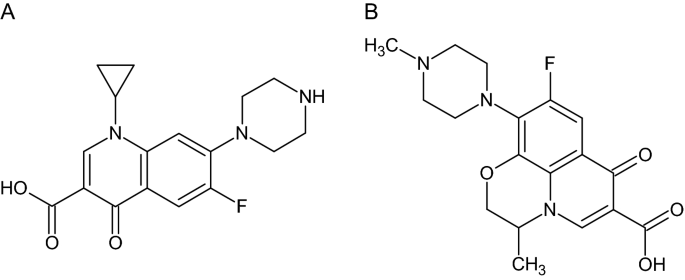
Simple, fast and reliable CE method for simultaneous determination of ciprofloxacin and ofloxacin in human urine

alexandrossfakianakis shared this article with you from Inoreader

41598_2022_11747_Fig1_HTML.png

View on Web

Bone targeted new zoledronate derivative: design, synthesis, 99mTc-coupling, in-silico study and preclinical evaluation for promising osteosarcoma therapy

alexandrossfakianakis shared this article with you from Inoreader
.
View on Web

Possible mechanisms and biomarkers of resistance to vismodegib in SHH medulloblastoma

alexandrossfakianakis shared this article with you from Inoreader
National Council for Scientific and Technological Development10.13039/501100003593305647/2019-9201001/2014-4Children's Cancer InstituteWilliam Donald Nash Brain Tumour Research FellowshipBrain Tumour Foundation of Canada10.13039/501100000238Swifty Foundation10.13039/100017296North West Cancer Research10.13039/501100000357
View on Web

Analysis of fractured dental implant body from five different implant systems: a long-term retrospective study

alexandrossfakianakis shared this article with you from Inoreader
The aim of this study was to perform an analysis of the incidence of implant body fracture and to identify possible risk factors. A long-term follow-up retrospective evaluation of 3477 patients who received 8588 implants from five implant systems was performed. Overall, 2810 patients who received 7502 implants, with an average follow-up of 6.9 years, were included in the analysis. The overall body fracture rate was 0.49% (37/7502), among which 32.4% (12/37) were implants with a reduced diameter. (Source: International Journal of Oral and Maxillofacial Surgery)
View on Web

Αναζήτηση αυτού του ιστολογίου