Ετικέτες

Πέμπτη 16 Ιουνίου 2022

MOLECULAR ASPECTS OF OMICRON, VACCINE DEVELOPMENT AND RECOMBINANT STRAIN XE: A REVIEW

alexandrossfakianakis shared this article with you from Inoreader

ABSTRACT

The global pandemic of COVID-19 began in December 2019 and is still continuing. The past 2 years have seen the emergence of several variants that were more vicious than each other. The emergence of Omicron (B.1.1.529) proved to be a huge epidemiological concern as the rate of infection of this particular strain was enormous. The strain was identified in South Africa on November 24, 2021 and was classified as a 'Variant of Concern' on November 26, 2021. The Omicron variant possessed mutations in the key RBD region, the S region, thereby increasing the affinity of ACE2 for better transmission of the virus. Antibody resistance was found in this variant and it was able to reduce vaccine efficiency of vaccines. The need for a booster vaccine was brought forth due to the prevalence of the Omicron variant and, subsequently, this led to targeted research and development of variant-specific vaccines and booster dosage. This review discusses broadly the genomic ch aracters and features of Omicron along with its specific mutations, evolution, antibody resistance, and evasion, utilization of CRISPR-Cas12a assay for Omicron detection, T-cell immunity elicited by vaccines against Omicron, and strategies to decrease Omicron infection along with COVID-19 and it also discusses on XE recombinant variant and on infectivity of BA.2 subvariant of Omicron.

This article is protected by copyright. All rights reserved.

View on Web

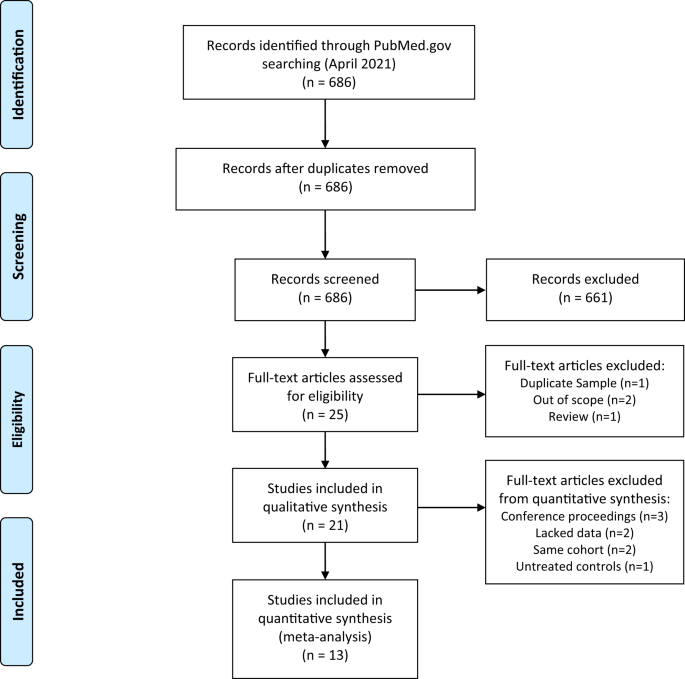
Pharmacogenomics of Clozapine-induced agranulocytosis: a systematic review and meta-analysis

alexandrossfakianakis shared this article with you from Inoreader

41397_2022_281_Fig1_HTML.png

View on Web

One‐stage versus two‐stage technique using two splinted extra‐short implants: A multicentric split‐mouth study with a one‐year follow‐up

alexandrossfakianakis shared this article with you from Inoreader

Abstract

Objective

To compare the clinical outcomes of extra-short implants (≤6.5 mm) inserted with one-stage versus two-stage technique in adjacent sites of the upper or lower jaw.

Materials and Methods

In this split-mouth multicenter study, implants were randomly divided into two groups according to the healing phase: two-stage and one-stage technique. Primary outcome measures were implant survival, implant success, and prosthodontic complications. Secondary outcome measurements were: implant stability quotient (ISQ) collected at surgery time (T0), and after 3 (T3) and 12 (T12) months, marginal bone level (MBL) evaluated at T0, T3, T6, and T12, marginal bone loss evaluated at T6 and T12, plaque index (PI), probing depth (PD), bleeding on probing (BoP) evaluated at T3, T6, and T12. Significances of differences between groups were tested by linear mixed model with random intercept.

Results

Nineteen patients (8 males and 11 females) were included. A total of 38 implants were inserted. At T12 implant cumulative survival and implant success rate were 100% in both groups. No statistically significant differences were recorded for any of the analyzed parameters between the two groups at any time point. ISQ values were similar at T0 (two-stage: mean 67.53 ± SD 19.47; one-stage: mean 66.53 ± 19.07 p = 0.8738) and increased in both groups at the 12-month follow-up appointment (two-stage: 81.1 ± 7.04; one-stage: 81.39 ± 0.9266). MBL values were similar in the two groups at any time point. At T12 marginal bone loss was 0.46 ± 0.41 (two-stage) and 0.45 ± 0.38 (one-stage) mm (p = 0.9417), while mean PD was 2.7 ± 0.85 (two-stage) and 2.69 ± 0.89 (one-stage) mm.

Conclusions

Within the limits of the present short-term report, extra-short implants demonstrated optimal clinical outcomes using the one-stage technique, without statistically significant differences compared with the traditional two-stage approach.

View on Web

Pharmacogenomics of Clozapine-induced agranulocytosis: a systematic review and meta-analysis

alexandrossfakianakis shared this article with you from Inoreader

41397_2022_281_Fig1_HTML.png

The Pharmacogenomics Journal, Published online: 16 June 2022; doi:10.1038/s41397-022-00281-9

Pharmacogenomics of Clozapine-induced agranulocytosis: a systematic review and meta-analysis
View on Web

Doxycycline post-exposure prophylaxis for prevention of sexually transmitted infections among Kenyan women using HIV pre-exposure prophylaxis: study protocol for an open-label randomized trial

alexandrossfakianakis shared this article with you from Inoreader

13063.jpg

Women in Africa face disproportionate risk of human immunodeficiency virus (HIV) acquisition, accounting for more than half of new infections in Africa and similarly face a disproportionate burden of sexually ...
View on Web

The role of bacterial corrosion on recolonization of titanium implant surfaces: An in vitro study

alexandrossfakianakis shared this article with you from Inoreader

Abstract

Background

Inflammation triggered by bacterial biofilms in the surrounding tissue is a major etiological factor for peri-implantitis and subsequent implant failure. However, little is known about the direct effects of bacterial corrosion and recolonization on implant failure

Purpose

To investigate the influence of oral commensals on bacterial corrosion and recolonization of titanium surfaces.

Materials and Methods

Streptococcus sanguinis (S. sanguinis) and Porphyromonas gingivalis (P. gingivalis), which are key bacteria in oral biofilm formation, were cultured on commercially pure titanium and titanium-aluminum-vanadium (Ti6Al4V) plates in artificial saliva/brain heart infusion medium under aerobic or anaerobic conditions. Biofilm formation was examined after 7 and 21 days by crystal violet and live/dead staining. Titanium ions released into culture supernatants were analyzed over a period of 21 days by atomic absorption spectrometry. Visual changes in surface morphology were investigated using scanning electron microscopy. Biofilm formation on sterilized, biocorroded, and recolonized implant surfaces was determined by crystal violet staining.

Results

S. sanguinis and P. gingivalis formed stable biofilms on the titanium samples. Bacterial corrosion led to a significant increase in titanium ion release from these titanium plates (p < 0.01), which was significantly higher under aerobic conditions on pure titanium (p ≤ 0.001). No obvious morphological surface changes, such as pitting and discoloration, were detected in the titanium samples. During early biofilm formation, the addition of titanium ions significantly decreased the number of live cells. In contrast, a significant effect on biofilm mass was only detected with P. gingivalis. Bacterial corrosion had no influence on bacterial recolonization following sterilization of titanium and Ti6Al4V surfaces.

Conclusion

Bacterial corrosion differs between oral commensal bacteria and leads to increased titanium ion release from titanium plates. The titanium ion release did not influence biofilm formation or bacterial recolonization under in vitro conditions

View on Web

Τετάρτη 15 Ιουνίου 2022

Giant solitary synovial osteochondromatosis of the temporomandibular joint: A case report

alexandrossfakianakis shared this article with you from Inoreader

Publication date: Available online 15 June 2022

Source: Journal of Oral and Maxillofacial Surgery, Medicine, and Pathology

Author(s): Hisashi Ozaki, Masatoshi Chiba, Yoshioki Hamamoto, Mitsuyoshi Iino

View on Web

Clinical and laboratory responses to tigecycline in children

alexandrossfakianakis shared this article with you from Inoreader
Clinical and laboratory responses to tigecycline in children

Resistant bacterial infections have become more common in recent years, its treatment becomes a difficult problem. Tigecycline has a broad-spectrum antibacterial activity including resistant pathogens. Tigecycline may be a safe and important option in pediatric nosocomial infections due to resistant bacteria. Paediatric patients treated with tigecycline from 1 January 2010 to 31 October 2018 were analysed retrospectively to assess the efficacy and safety of tigecycline in children. Clinical response was considered cure in patients with all clinical signs of tigecycline-induced infection disappearing, a complete laboratory response, and improvement without further antibacterial therapy. The clinical response in patients who were not cured but recovered to the extent deemed appropriate by the researcher was evaluated as remission. Clinical response was considered failure in patients with no clinical improvement, culture positivity, acute-phase reactant elevation, and need for additi onal antibacterial therapy. There was a total of 25,251 patients, 1301 of whom were hospitalized in paediatric intensive care during the study. Paediatric patients who received tigecycline for at least 2 days (at least four doses) were analysed. This study included 91 children who received tigecycline treatment and met the inclusion criteria, aged 7 months to 17.5 years (median 8 years). The median length of hospital stay was 62 days (14–251 days). The median duration of antibiotic treatment before tigecycline treatment was 27 days (4–30 days). Among the most common were glycopeptides (95.6%) and carbapenems (89%). There were no significant differences in clinical response between tigecycline as monotherapy and as combined therapy (p = 0.742). Studies on the efficacy of tigecycline in children are not prospective due to safety concerns but contain data from limited cases in which it was used as salvage therapy. In our study, tigecycline was gi ven to 73.6% of patients as monotherapy, and this is the largest series involving monotherapy. The fact that the patients used long-term and multiple antimicrobial agents before tigecycline treatment (95.6% glycopeptides and 89% carbapenems) limited the options of antibiotics. Therefore, the rate of monotherapy was high, and clinical success did not differ significantly between patients who started tigecycline as monotherapy and combination therapy.


Abstract

What is known and objective

The frequency of multidrug-resistant bacterial infections is increasing worldwide. Tigecycline may be an important option for children with life-threatening nosocomial infections due to multidrug-resistant bacteria. However, there are few published data on the use of tigecycline in paediatric patients. By examining the results of tigecycline use in children, we aimed to draw attention to the fact that tigecycline may be an alternative in the treatment of resistant infections in children.

Methods

Paediatric patients treated with tigecycline from 1 January 2010 to 31 October 2018 at Eskişehir Osmangazi University Medical Faculty, which is a tertiary hospital, were analysed retrospectively to assess the efficacy and safety of tigecycline treatment in children. Patients using tigecycline were identified using the pharmacy database. Clinical and laboratory data were obtained from the files.

Results and discussion

This study included 91 children aged 7 months to 17.5 years; 52 were female (57.1%). At least one predisposing factor was present in 98.9% of the patients. Fifty-one bacteria were isolated from 44 patients. The tigecycline resistance rate was 3.9%. Only 2 of 91 patients experienced one or more side effects of tigecycline. Tigecycline can be used as salvage therapy in resistant infections where options are limited, although definitive conclusions about the efficacy and safety of tigecycline in children cannot be reached.

What is new and conclusion

Tigecycline may be a safe and important option in paediatric nosocomial infections due to resistant bacteria. Resistant bacterial infections have become more common in recent years, its treatment becomes a difficult problem. Tigecycline has a broad-spectrum antibacterial activity including resistant pathogens.

View on Web

Thrombosis and hemorrhage experienced by hospitalized children with SARS‐CoV‐2 infection or MIS‐C: Results of the PICNIC registry

alexandrossfakianakis shared this article with you from Inoreader

Abstract

Introduction

Coagulopathy and thrombosis associated with SARS-CoV-2 infection are well defined in hospitalized adults and leads to adverse outcomes. Pediatric studies are limited.

Methods

An international multicentered (n = 15) retrospective registry collected information on the clinical manifestations of SARS-CoV-2 and multisystem inflammatory syndrome (MIS-C) in hospitalized children from February 1, 2020 through May 31, 2021. This sub-study focused on coagulopathy. Study variables included patient demographics, comorbidities, clinical presentation, hospital course, laboratory parameters, management, and outcomes.

Results

Nine hundred eighty-five children were enrolled, of which 915 (93%) had clinical information available; 385 (42%) had symptomatic SARS-CoV-2 infection, 288 had MIS-C (31.4%), and 242 (26.4%) had SARS-CoV-2 identified incidentally. Ten children (1%) experienced thrombosis, 16 (1.7%) experienced hemorrhage, and two (0.2%) experienced both thrombosis and hemorrhage. Significantly prevalent prothrombotic comorbidities included congenital heart disease (p-value .007), respiratory support (p-value .006), central venous catheter (CVC) (p = .04) in children with primary SARS-CoV-2 and in those with MIS-C included respiratory support (p-value .03), obesity (p-value .002), and cytokine storm (p = .012). Comorbidities prevalent in children with hemorrhage included age >10 years (p = .04), CVC (p = .03) in children with primary SARS-CoV-2 infection and in those with MIS-C encompassed thromb ocytopenia (p = .001) and cytokine storm (p = .02). Eleven patients died (1.2%), with no deaths attributed to thrombosis or hemorrhage.

Conclusion

Thrombosis and hemorrhage are uncommon events in children with SARS-CoV-2; largely experienced by those with pre-existing comorbidities. Understanding the complete spectrum of coagulopathy in children with SARS-CoV-2 infection requires ongoing research.

View on Web

BCAP31 is involved in modulating colorectal cancer cell proliferation via the Emerin/β-catenin axis

alexandrossfakianakis shared this article with you from Inoreader

1-s2.0-S0014482722X0013X-cov150h.gif

Publication date: Available online 15 June 2022

Source: Experimental Cell Research

Author(s): Liping Han, Junyang Shi, Lili Zhao, Jiaqiang Deng, Yan Li, Hong Zhao, Huani Wang, Yan Yan, Fangdong Zou

View on Web

Αναζήτηση αυτού του ιστολογίου