Ετικέτες

Τετάρτη 20 Ιουλίου 2022

Diagnostic Delay in Human Papillomavirus Negative Oropharyngeal Squamous Cell Carcinoma

alexandrossfakianakis shared this article with you from Inoreader
Diagnostic Delay in Human Papillomavirus Negative Oropharyngeal Squamous Cell Carcinoma

Delays in care related to evaluations by multiple providers and misdiagnosis prolonged time to diagnosis in HPV(−)OPSCC. Improved patient and provider education is necessary to expedite the diagnosis of HPV(−)OPSCC.


Objective

Failure to recognize symptoms of non-human papillomavirus-associated oropharyngeal squamous cell carcinoma (HPV(−)OPSCC) at presentation can delay diagnosis and treatment. We aim to identify patient factors and provider practice patterns that delay presentation and care in HPV(−)OPSCC.

Methods

Retrospective review at a tertiary care center. Patients with HPV(−)OPSCC receiving treatment from 2006 to 2016. Patients were excluded if their date of symptom onset or diagnosis was unknown after thorough review of the electronic medical record or their tissue was not tested for HPV or p16. Clinical data, workup, and care timelines were abstracted. Univariate and multivariable linear regressions were performed to determine associations between patient and provider factors and delays in care.

Results

Of 70 included patients, 52 (74%) were male and mean age was 60.5 (SD = 9.0). Median time to diagnosis was 69 days (IQR = 32–127 days), with a median latency of 30 days (IQR = 12–61 days) from symptom onset to first presentation and 19.5 days (IQR = 4–46 days) from the first presentation to diagnosis. Most patients visited at least 2 providers (n = 52, 74%) before diagnosis. Evaluation by 3 or more providers prior to diagnosis was associated with significant delays in diagnosis of nearly a year (357.7 days, p < 0.001) and being treated or prescribed analgesia prior to diagnosis was significantly associated with delays in diagnosis (p = 0.004) on univariate regression analysis.

Conclusions

Delays in care related to evaluations by multiple providers and misdiagnosis prolonged time to diagnosis in HPV(−)OPSCC. Improved patient and provider education is necessary to expedite the diagnosis of HPV(−)OPSCC.

Level of Evidence

Level 4 Laryngoscope, 2022

View on Web

Safety and efficacy of molnupiravir in SARS‐CoV‐2 infected patients: a real‐life experience

alexandrossfakianakis shared this article with you from Inoreader

Abstract

Introduction

Since the start of the SARS-CoV-2 pandemic, several treatments have been proposed to cure Coronavirus Disease 2019 (COVID-19) and prevent it. Molnupiravir is a ribonucleoside prodrug of N-hydroxycytidine with an in vitro e in vivo activity against SARS-CoV-2.

Methods

We conducted a retrospective cohort study including all people treated with Molnupiravir between the 10th of January and the 31th of March 2022 at the University Hospital of Sassari. Molnupiravir was prescribed, according to the Italian Agency of Drug indications, in patients with recent symptoms onset (≤5five days), no need of oxygen supplementation, and with a high risk of disease progression for the presence chronic diseases.

Results

We included 192 people with a mean age of 70.4±15.4 years; 144 (75%) patients were over 60 years. During the follow-up, 20 (10.4%) patients showed a disease progression. At the multivariate analysis, older age, having neurological dis ease, and having dyspnea at the onset of the symptoms, and acquiring SARS-CoV-2 infeciton during an hospital admission were associated with an increased risk of progression. On the contrary, early start of treatment was associated with a reduced risk of disease progression. Molnupiravir was also extremely safe since 13 (6.8%) adverse events were reported, with only one interruption.

Conclusion

Our study shows that Monlupiravir confirmed its efficacy and safety in a real-life cohort that included a high percentage of elderly people with a high comorbidity burden.

This article is protected by copyright. All rights reserved.

View on Web

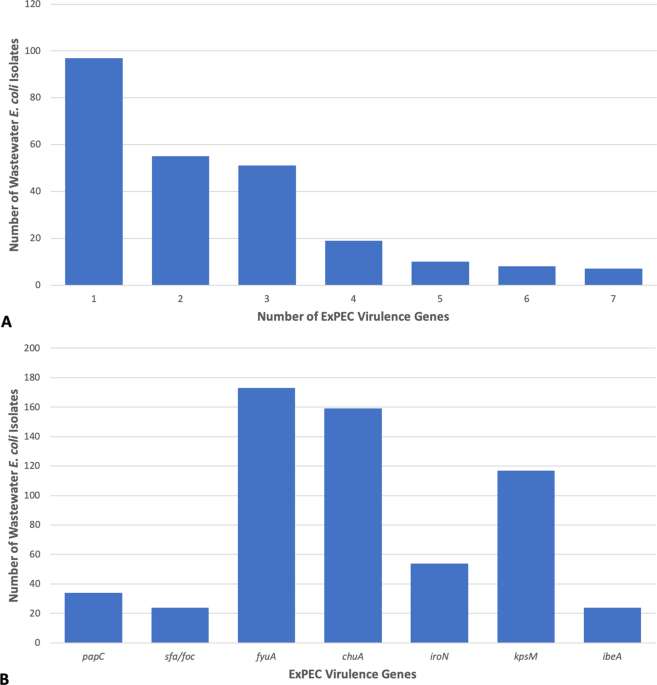
Differential survival of potentially pathogenic, septicemia- and meningitis-causing E. coli across the wastewater treatment train

alexandrossfakianakis shared this article with you from Inoreader

41545_2022_177_Fig1_HTML.png

View on Web

Pediatric hematology providers’ contraceptive practices for female adolescents and young adults with sickle cell disease: A national survey

alexandrossfakianakis shared this article with you from Inoreader

Abstract

Background

Adolescent and young adult (AYA) women with sickle cell disease (SCD) have increased pregnancy-related health risks and are prescribed potentially teratogenic medications, yet limited data are available regarding pediatric SCD provider contraceptive practices. We aimed to assess pediatric hematology providers' beliefs, practices, motivators, and barriers for providing contraceptive care to female AYAs with SCD.

Methods

Guided by the Health Belief Model (HBM), we developed a 25-question, web-based survey to assess practices. Survey links were distributed nationwide to pediatric SCD and/or general hematology providers through their publicly available emails and by request to directors of U.S.-accredited Pediatric Hematology-Oncology fellowship programs for distribution to their SCD providers. Data analysis included descriptive statistics, chi-square analysis, and logistic regression.

Results

Of 177 respondents, 160 surveys meeting inclusion criteria were analyzed. Most providers reported counseling (77.5%) and referring female AYA patients for contraception (90.8%), but fewer reported prescribing contraception (41.8%). Proportionally fewer trainees provided counseling compared with established providers (54% vs. 85%, p < .001), with a similar trend for prescribing (p = .05). Prescription practices did not differ significantly by provider beliefs regarding potential teratogenicity of hydroxyurea. Key motivators included patient request and disclosure of sexual activity. Key barriers included inadequate provider training, limited visit time, and perceived patient/parent interest.

Conclusion

Provider contraceptive practices for female AYAs with SCD varied, especially by provider status. Health beliefs regarding teratogenic potential of hydroxyurea did not correlate with contraceptive practices. Clinical guidelines, provider training, and patient/parent decision-making tools may be tested to assess whether provider contraceptive practices could be improved.

View on Web

Τρίτη 19 Ιουλίου 2022

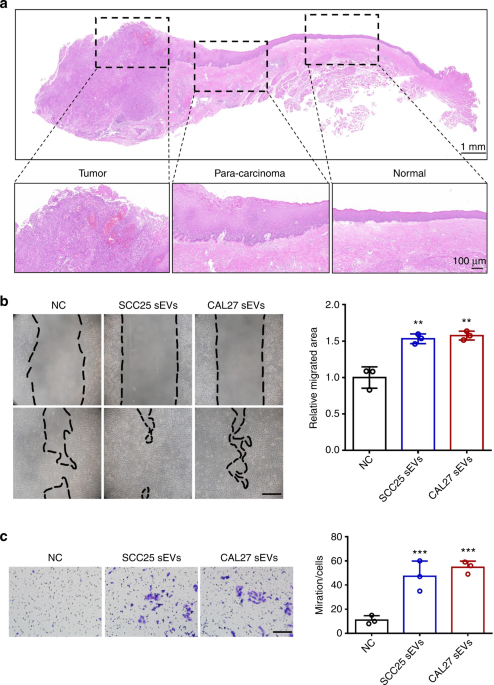
Cancer cells corrupt normal epithelial cells through miR-let-7c-rich small extracellular vesicle-mediated downregulation of p53/PTEN

alexandrossfakianakis shared this article with you from Inoreader

41368_2022_192_Fig1_HTML.png

International Journal of Oral Science, Published online: 19 July 2022; doi:10.1038/s41368-022-00192-2

Cancer cells corrupt normal epithelial cells through miR-let-7c-rich small extracellular vesicle-mediated downregulation of p53/PTEN
View on Web

TREM2‐induced activation of microglia contributes to synaptic integrity in cognitively intact aged individuals with Alzheimer's neuropathology

alexandrossfakianakis shared this article with you from Inoreader
TREM2-induced activation of microglia contributes to synaptic integrity in cognitively intact aged individuals with Alzheimer's neuropathology

Efficient TREM2-phagocytic microglia underlie synaptic resilience in NDAN, removing damaged synpases, contributing to synaptic integrity and protecting from memory deficits.


Abstract

The existence of individuals who remain cognitively intact despite presenting histopathological signs of Alzheimer's disease (AD), here referred to as "Nondemented with AD neuropathology" (NDAN), suggests that some mechanisms are triggered to resist cognitive impairment. Exposed phosphatidylserine (ePS) represents a neuronal "eat-me" signal involved in microglial-mediated phagocytosis of damaged synapses. A possible mediator of this process is TREM2, a microglial surface receptor activated by ligands including PS. Based on TREM2 role in the scavenging function of microglia, we hypothesize that an efficient microglial phagocytosis of damaged synapses underlies synaptic resilience in NDAN, thus protecting from memory deficits. Using immunofluorescence microscopy, we performed a comparative study of human post-mortem frontal cortices of aged-matched, AD and NDAN individuals. We studied the distribution of activated microglia (IBA1, IBA1+/CD68+ cells) and phagocytic microglia-related proteins (TREM2, DAP12), demonstrating higher microglial activation and TREM2 expression in NDAN versus AD. A study of the preservation of synapses around plaques, assessed using MAP2 and βIII tubulin as dendritic and axonal markers, respectively, and PSD95 as a postsynaptic marker, revealed preserved axonal/dendritic structure around plaques in NDAN versus AD. Moreover, high levels of PSD95 around NDAN plaques and the colocalization of PSD95 with CD68 indicated a prompt removal of damaged synapses by phagocytic microglia. Furthermore, Annexin V assay on aged-matched, AD and NDAN individuals synaptosomes revealed increased levels of ePS in NDAN, confirming damaged synapses engulfment. Our results suggest a higher efficiency of TREM2-induced phagocytic microglia in removing damaged synapses, underlying synaptic resilience in NDAN individuals.

View on Web

Camrelizumab plus chemotherapy in advanced non‐squamous non‐small cell lung cancer: Treatment response, survival pattern, and safety

alexandrossfakianakis shared this article with you from Inoreader
Camrelizumab plus chemotherapy in advanced non-squamous non-small cell lung cancer: Treatment response, survival pattern, and safety

This study retrospectively analysed 31 driver-gene-negative advanced non-squamous non-small cell lung cancer (NSCLC) patients who received a 21-day therapy cycle for four cycles of camrelizumab (intravenous injection, 200 mg/cycle) plus carboplatin and pemetrexed (CP) chemotherapy, followed by maintenance therapy using camrelizumab or pemetrexed or camrelizumab plus pemetrexed. Another 40 patients who underwent CP chemotherapy were retrieved as control group. Interestingly, objective response rate (ORR) was elevated in camrelizumab plus CP group compared to CP group (58.1% vs. 32.5%), while disease control rate (DCR) was of no difference between those two groups (83.9% vs. 72.5%). Camrelizumab plus CP achieved a prolonged progression-free survival (PFS) compared with CP alone (11.0 (95% CI: 9.1–12.9) months versus 7.2 (95% CI: 5.1–9.3) months), also realized an increasing overall survival (OS) trend (without statistical significance; 19.3 (95% CI: 15.4–23.2) months versu s 15.1 (95% CI: 13.9–16.3) months). Further multivariate Cox's regression analysis exhibited that camrelizumab plus CP (vs. CP) independently related to prolonged PFS and OS. Moreover, the most common adverse events related to camrelizumab plus CP were fatigue (45.2%), peripheral neuropathy (35.5%), nausea and vomiting (35.5%); furthermore, most adverse events were controllable. Collectively, camrelizumab plus chemotherapy exhibits good efficacy and manageable adverse events in treating advanced non-squamous NSCLC patients.


Abstract

What is known and objective

Camrelizumab, a humanized monoclonal programmed cell death protein-1 antibody independently developed by China, is introduced as a treatment selection for non-small cell lung cancer (NSCLC). This study aimed to evaluate the efficacy and safety of camrelizumab plus chemotherapy in treating advanced non-squamous NSCLC patients.

Methods

This study retrospectively analysed 31 driver-gene-negative advanced non-squamous NSCLC patients who received a 21-day therapy cycle for four cycles of camrelizumab (intravenous injection, 200 mg/cycle) plus carboplatin and pemetrexed (CP) chemotherapy, followed by maintenance therapy using camrelizumab or pemetrexed or camrelizumab plus pemetrexed. Another 40 patients who underwent CP chemotherapy were retrieved as control group.

Results and discussion

The objective response rate (ORR) was elevated in camrelizumab plus CP group compared to CP group (58.1% vs. 32.5%, p = 0.031), while disease control rate (DCR) was of no difference between those two groups (83.9% vs. 72.5%, p = 0.255). Camrelizumab plus CP achieved a prolonged PFS compared with CP alone (median: 11.0 (95% CI: 9.1–12.9) months versus 7.2 (95% CI: 5.1–9.3) months, p = 0.026), also realized an increasing OS trend (without statistical significance; 19.3 (95% CI: 15.4–23.2) months versus 15.1 (95% CI: 13.9–16.3) months, p = 0.093). Further multivariate Cox's regression analysis exhibited that camrelizumab plus CP (vs. CP) independently related to prolonged PFS (p < 0.001) and OS (p = 0.027). Moreover, the most common adverse events related to camrelizumab plus CP were fatigue (45.2%), peripheral neuropathy (35.5%), nausea and vomiting (35.5%); furthermore, most a dverse events were controllable.

What is new and conclusion

Camrelizumab plus chemotherapy exhibits good efficacy and manageable adverse events in treating advanced non-squamous NSCLC patients.

View on Web

Therapeutic potential of recombinant human basic fibroblast growth factor on postoperative patients with chronic rhinosinusitis with nasal polyps

alexandrossfakianakis shared this article with you from Inoreader

Abstract

Objectives

To explore the effect of intranasal administration of recombinant human-basic fibroblast growth factor (rh-bFGF) on postoperative chronic rhinosinusitis with nasal polyps (CRSwNP) patients.

Design

A prospective, randomized, controlled, single-blinded trial.

Setting and Participants

75 hospitalized patients who met the criteria of primary bilateral CRSwNP were enrolled from March 2020 to January 2021.

Main outcome measures

Visual analogue scale, 22 item Sino-Nasal Outcome Test, Lund-Kennedy (L-K) system, and Scanning electron microscopy and Quantitative real-time PCR.

Results

75 patients with CRSwNP were randomly assigned to three groups, and 72 patients completed the 1-month medication regimen and 1 year follow-up. Rh-bFGF nasal-spray and drop application reduced general nasal VAS scores within two weeks after ESS(endoscopic sinus surgery) compared to the control group. In contrast, only rh-bFGF nasal-drops reduced SNOT-22 scores at 2 weeks and 1 year compared with the control group. A significant reduction in the endoscopic L-K score was observed in the rh-bFGF nasal-spray and drop group compared with the control group. This is primarily because rh-bFGF promotes cilia growth in the nasal mucosal epithelium after the operation, as illustrated by scanning electron microscopy and expression of CP110, Tap73 and Foxj1 mRNA. For eosinophilic CRSwNP, the general VAS score of rh-bFGF nasal-drops was more obviously reduced compared to the control group after ESS. A similar trend was observed for L-K score.

Conclusions

Rh-bFGF nasal-drops and sprays can quickly and effectively relieve postoperative symptoms and improve long-term prognosis of patients with CRSwNP. Moreover, rh-bFGF nasal-drops is also an effective method for postoperative patients with eosinophilic CRSwNP.

View on Web

Comparative Evaluation of the Antibacterial Effect of Allium Sativum, Calcium hydroxide and Their Combination as Intracanal Medicaments in Infected Mature Anterior Teeth A Randomized Clinical Trial

alexandrossfakianakis shared this article with you from Inoreader

Abstract

Aim

The purpose of this study was to compare the antibacterial effects of Allium Sativum (garlic extract), calcium hydroxide (Ca (OH)2), and their combination as intracanal medicaments in infected mature anterior teeth using real-time PCR.

Material& Methods

This prospective double-blind, controlled, parallel, superiority, randomized clinical trial was carried out on sixty-six permanent, necrotic incisors associated with asymptomatic apical periodontitis in sixty-six male patients. Patients were randomly divided into three groups (n =22) according to the intra -canal medications used. After access preparation, four microbiological samples (S) were taken using sterile absorbent paper points as follows: S1: before canal instrumentation. S2: after cleaning and shaping. The third samples (S3) and fourth samples (S4) were taken after the placement of the tested intracanal medications into their corresponding canals for 7 and 14 days, respectively. Total DNA was extracted from microbiological samples and relative quantitative real time PCR reactions were done to quantify the relative gene expression fold change (FC) for Enterococcus faecalis and Streptococcus species. At significance level p ≤ 0.05, the data were statist ically analyzed in SPSS software using Kruskal-Wallis and Freidman's tests, followed by Dunn-Bonferroni post-hoc test for pairwise comparisons.

Results

Both bacterial mean FC decreased significantly after mechanical instrumentation (S1 to S2) in all groups. However, no statistically significant differences were found after intra-canal medicament placement (from S2 to S3 and from S3 to S4) except in the garlic group. Garlic significantly reduced Enterococcus faecalis FC in S3 and S4 when compared to Ca (OH) 2 and Ca (OH) 2+ garlic combination. However, garlic and Ca (OH)2 reduced Streptococcus bacteria in S3 similarly. While in S4, garlic showed significantly more reduction than Ca (OH) 2. The combination of Ca (OH) 2 with garlic extract showed the least significant bacterial reduction.

Conclusion

within the study limitations, garlic intra-canal medicament has a comparable anti-Streptococcus efficiency to Ca (OH) 2, while it is more effective against Enterococcus faecalis species. When Ca (OH)2 and garlic are combined, their antibacterial effectiveness is reduced. Increasing the time of application for tested intracanal medicaments by more than one week has no additional antibacterial effectiveness.

View on Web

Bead‐anchored surgical templates for static computer‐assisted implant surgery (s‐CAIS) – A dental technique

alexandrossfakianakis shared this article with you from Inoreader

Abstract

This technique report describes an alternative method to stabilize surgical templates throughout full-arch static computer-assisted implant surgery (FA s-CAIS). In FA s-CAIS, remaining teeth, mucosa, existing implants, custom occlusal device, bone, or any combination thereof, could be used as an initial positioning mechanism to position surgical templates. Different anchoring mechanisms are then used to stabilize the surgical templates during surgery. In this report, a novel design of surgical templates using remaining dentition and opposing occlusal surfaces as initial positioning mechanism followed by the combination of bone block fixation screw and stainless-steel beads as secondary anchoring mechanisms is described. The advantages, limitations, and comparisons with surgical templates using other anchoring mechanisms are also discussed.

This article is protected by copyright. All rights reserved

View on Web

Αναζήτηση αυτού του ιστολογίου