Ετικέτες

Τετάρτη 11 Ιανουαρίου 2023

Cariogenic Diet Consumption

alexandrossfakianakis shared this article with you from Inoreader

Abstract

Background

During stressful situations such as pandemic-associated lockdowns, individuals' diets may change towards (cariogenic) "comfort food". This study assessed the dietary patterns in lockdown in Colombia population.

Methods

A cross-sectional online survey was designed. A convenience sample 489 adults was drawn, with 50% of them being in COVID-19 lockdown and the other being not or only partially in lockdown. The questionnaire collected data about the type and frequency of food consumed, with a special focus on cariogenic (i.e. rich in free sugars and starches) food. Descriptive analyses were performed, and a Generalized Linear Model was estimated to predict the frequency of cariogenic diet consumption in this period of time.

Results

Sweet whole wheat bread (38.2%, P= 0.005), flavored milk (26.4%, P= 0.002), sugar-sweetened bubble gums (39.8%, P= 0.001), toffees (35.4%, P= 0.004), soft candies (e. g. gums, etc.) (35.4%, P= 0.018), chocolates (55.3%, P= 0.017) filled donuts (28.5%, P= 0.013) or grapes (51.2%, P= 0.002), among others were significantly more consumed in lockdown. Multivariable generalized linear modeling showed being single, having children and being in lockdown were significantly associated with higher frequency of cariogenic food consumption.

Conclusions

Lockdown was found to be associated with detrimentally altered food consumption patterns and, specifically, a more cariogenic diet. Healthcare professionals should consider this when re-opening services and political decision-makers may want to reflect on unwarranted side effect of lockdown.

This article is protected by copyright. All rights reserved.

View on Web

A comprehensive evaluation of an animal model for Helicobacter pylori‐associated stomach cancer: Fact and controversy

alexandrossfakianakis shared this article with you from Inoreader

Abstract

Even though Helicobacter pylori infection was the most causative factor of gastric cancer, numerous in vivo studies failed to induce gastric cancer using Hpylori infection only. The utilization of established animal studies in cancer research is crucial as they aim to investigate the coincidental association between suspected oncogenes and pathogenesis as well as generate models for the development and testing of potential treatments. The methods to establish gastric cancer using infected animal models remain limited, diverse in methods, and showed different results. This study investigates the differences in animal models, which highlight different pathological results in gaster by literature research. Electronic databases searched were performed in PubMed, Science Direct, and Cochrane, without a period filter. A total of 135 articles were used in this study after a full-text assessment was conducted. The most frequent animal models used for gastric ca ncer were Mice, while Mongolian gerbils and Transgenic mice were the most susceptible model for gastric cancer associated with Hpylori infection. Additionally, transgenic mice showed that the susceptibility to gastric cancer progression was due to genetic and epigenetic factors. These studies showed that in Mongolian gerbil models, Hpylori could function as a single agent to trigger stomach cancer. However, most gastric cancer susceptibilities were not solely relying on Hpylori infection, and numerous factors are involved in cancer progression. Further study using Mongolian gerbils and Transgenic mice is crucial to conduct and establish the best models for gastric cancer associated Hpylori.

View on Web

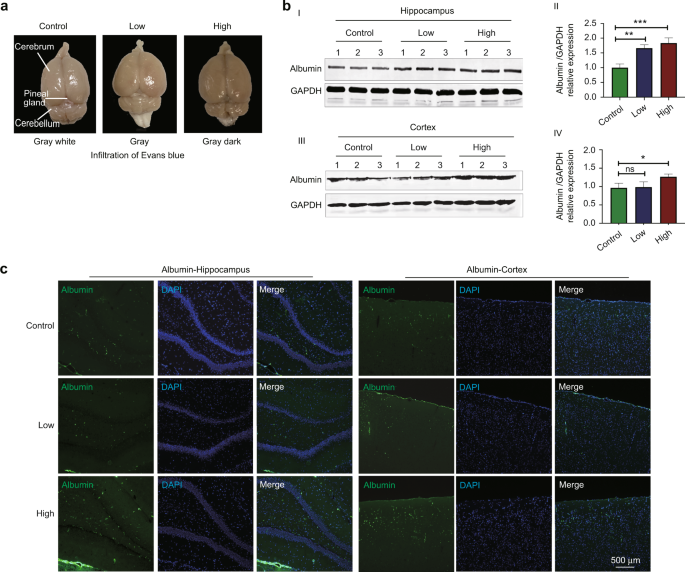
Porphyromonas gingivalis bacteremia increases the permeability of the blood-brain barrier via the Mfsd2a/Caveolin-1 mediated transcytosis pathway

alexandrossfakianakis shared this article with you from Inoreader

41368_2022_215_Fig1_HTML.png

International Journal of Oral Science, Published online: 12 January 2023; doi:10.1038/s41368-022-00215-y

Porphyromonas gingivalis bacteremia increases the permeability of the blood-brain barrier via the Mfsd2a/Caveolin-1 mediated transcytosis pathway
View on Web

Τρίτη 10 Ιανουαρίου 2023

Automated Detection of GlotticLaryngeal Carcinomain Laryngoscopic Images from a Multicenter Databaseusing a Convolutional Neural Network

alexandrossfakianakis shared this article with you from Inoreader

ABSTRACT

OBJECTIVE

Little is known about the efficacy of using artificial intelligence to identify laryngeal carcinoma from images of vocal lesions taken in different hospitals with multiple laryngoscope systems. This multicenter study aimed to establish an artificial intelligence system and provide a reliable auxiliary tool to screen for laryngeal carcinoma.

Study Design

Multicenter case-control study

Setting

Six tertiary care centers

Participants

Laryngoscopy images were collected from 2179 patients with vocal fold lesions.

Outcome Measures

An automatic detection system of laryngeal carcinoma was established and used to distinguish malignant and benign vocal lesions in 2179 laryngoscopy images acquired from 6 hospitals with 5 types of laryngoscopy systems. Pathological examination was the gold standard for identifying malignant and benign vocal lesions.

Results

Out of 89 cases in the malignant group, the classifier was able to correctly identify laryngeal carcinoma in 66 patients (74.16%, sensitivity). Out of 640 cases in the benign group, the classifier was able to accurately assess the laryngeal lesion in 503 cases (78.59%, specificity). Furthermore, the region-based convolutional neural network(R-CNN) classifier achieved an overall accuracy of 78.05%, with a 95.63% negative predictive and a 32.51% positive predictive value for the testing dataset.

Conclusion

This automatic diagnostic system has the potential to assist clinical laryngeal carcinoma diagnosis which may improve and standardize the diagnostic capacity of laryngologists using different laryngoscopes.

This article is protected by copyright. All rights reserved.

View on Web

Δευτέρα 9 Ιανουαρίου 2023

Overall and abdominal obesity and risks of all-cause and cause-specific mortality

alexandrossfakianakis shared this article with you from Inoreader
Abstract
Background
Studies found a J-shaped association between body mass index (BMI) and mortality. However, it is unclear whether the association is driven by biases, particularly confounding by fat-free mass.
Methods
We conducted an individual-level pooled analysis of three cohorts of Korean adults (aged ≥ 40 years; n = 153 248). Mortality was followed up through December 2019. Anthropometric data were directly measured at baseline. Fat and fat-free mass were predicted using validated prediction models. Using Cox proportional hazards models, we estimated the associations of BMI and waist circumference (WC) with all-cause and cause-specific mortality. To account for biases, we excluded participants aged ≥ 70 years, deaths that occurred within 5 years of follow-up and ever smokers, and adjusted for fat-free mass index (FFMI).
Results
During the follow-up of up to 18 years, 6061 deaths were identified. We observed J-shaped association of BMI (nadir at 22–26) and monotonically positive association of WC with all-cause, cardiovascular, and cancer mortality among Korean adults without a history of cancer or cardiovascular disease. In the BMI analysis, excluding ever smokers and adjusting for FFMI attenuated the excess mortality in underweight participants and transformed the J-shaped association into a monotonically positive shape, suggesting an increased mortality at BMI > 22.0. Excluding participants aged ≥ 70 years and deaths that occurred within 5 years of follow-up did not change the results. In the WC analysis, the monotonic positive associations did not change after the control. Similar results were observed among participants with a history of cancer or cardiovascular disease.
Conclusions
Our data suggest that both overall and abdominal body fat are associated with increased mortality in Korean adults.
View on Web

Κυριακή 8 Ιανουαρίου 2023

Effect of sintering on the translucency of CAD‐CAM lithium disilicate restorations: a comparative in vitro study

alexandrossfakianakis shared this article with you from Inoreader

Abstract

Purpose

The available independent data on the translucency of novel pre and fully sintered chair-side computer-aided design and computer-aided manufacturing (CAD-CAM) lithium disilicate are limited. This comparative in vitro study evaluated the translucency degree of pre and fully sintered chairside CAD-CAM lithium disilicate crowns after optional, required, and additional firing processes.

Materials and Methods

One hundred and five maxillary left central incisor crowns manufactured by three different CAD-CAM lithium disilicate brands shade A1 were assigned into 7 groups as follows (n = 15): (1) n!ce Straumann without sintering; (2) n!ce Straumann with one additional sintering process; (3) n!ce Straumann with two additional sintering processes; (4) Amber Mill with one sintering process; (5) Amber Mill with two sintering processes; (6) IPS e.max CAD with one sintering process; (7) IPS e.max CAD with two sintering processes. The translucency of all crowns was evaluated with a color imaging spectrophotometer. All statistical analyses were performed using statistical software. A standard level of significance was set at α < 0.05.

Results

All the milled crowns presented different degrees of translucency, and additional sintering processes altered it. IPS E.max CAD with two (4.33 ± 0.26) and one (4.01 ± 0.15) sintering processes displayed the highest translucency, whereas n!ce Straumann with no sintering process provided the lowest value (2.82 ± 0.16).

Conclusions

The translucency of chairside lithium disilicate single-unit full-coverage restorations manufactured with subtractive technology was significantly influenced by the brand and the number of sintering processes. The traditional presintered IPS e.max CAD and the fully crystallized glass-ceramic n!ce Straumann considerably increased the translucency after one additional firing process, whereas Amber Mill decreased its translucency.

This article is protected by copyright. All rights reserved

View on Web

Drug‐induced radiation recall reactions and non‐anticancer drugs: A descriptive analysis from VigiBase®

alexandrossfakianakis shared this article with you from Inoreader

Abstract

Background

Radiation recall reactions are inflammatory reactions confined to previously irradiated tissues, often of drug-induced etiology, particularly with anticancer therapies. Other drugs, in particular COVID-19 vaccines, may also be involved.

Objective

To describe radiation recall reactions under non-anticancer drugs more precisely.

Material and method

We extracted the cases of radiation recall reactions associated with non-anticancer drugs from WHO pharmacovigilance database VigiBase®. We performed two analyses from this extraction: a global analysis and an analysis focusing on vaccination-related issues.

Results

We extracted 120 cases corresponding to 269 drugs, of which 130 were non-anticancer (22 vaccines). Among the non-anticancer drugs, tozinameran was the most reported treatment (4.46% of cases), followed by levofloxacin (2.97%) and folinic acid (2.60%), dexamethasone (2.23), ChAdOx1 nCoV-19 vaccine and prednisone (1.86% each). Among vaccines, tozinameran (54.55% of cases) was the most reported, followed by ChAdOx1 nCoV-19 (22.73%), HPV & inactivated influenza vaccine (9.09% each), and elasomeran (4.55%).

Conclusion

Our study first describes the occurrence of radiation recall reactions during non-anticancer treatment. It also highlights a potential safety signal with COVID-19 vaccines.

View on Web

Upregulation of PD‐L1 by SARS‐CoV‐2 promotes immune evasion

alexandrossfakianakis shared this article with you from Inoreader

Abstract

Patients with severe COVID-19 often suffer from lymphopenia, which is linked to T cell sequestration, cytokine storm and mortality. However, it remains largely unknown how SARS-CoV-2 induces lymphopenia. Here, we studied the transcriptomic profile and epigenomic alterations involved in cytokine production by SARS-CoV-2-infected cells. We adopted a reverse time-order gene coexpression network (TO-GCN) approach to analyze time-series RNA-sequencing data, revealing epigenetic modifications at the late stage of viral egress. Furthermore, we identified SARS-CoV-2-activated NF-κB and IRF1 pathways contributing to viral infection and COVID-19 severity through epigenetic analysis of H3K4me3 ChIP-sequencing. Cross-referencing our transcriptomic and epigenomic datasets revealed that coupling NF-κB and IRF1 pathways mediate PD-L1 immunosuppressive programs. Interestingly, we observed higher PD-L1 expression in Omicron-infected cells than SARS-CoV-2 infected cells. Blocking PD-L1 at an earl y stage of virally-infected AAV-hACE2 mice significantly recovered lymphocyte counts and lowered inflammatory cytokine levels. Our findings indicate that targeting the SARS-CoV-2-mediated NF-κB and IRF1-PD-L1 axis may represent an alternative strategy to reduce COVID-19 severity.

This article is protected by copyright. All rights reserved.

View on Web

Rapid Detection of Monkeypox Virus by Multiple Cross Displacement Amplification Combined with Nanoparticle‐based Biosensor platform

alexandrossfakianakis shared this article with you from Inoreader

Abstract

The current outbreak of monkeypox virus (MPXV) has become a public health emergency of international concern that highlights the need for rapid, sensitive MPXV diagnostic assays. Here, we combined isothermal multiple cross displacement amplification (MCDA) with nanoparticle-based lateral flow biosensor (LFB) to devise a diagnostic test for the diagnosis of MPXV infection (called MPXV-MCDA-LFB) and differentiation of West and Central African MPXV isolates. The MPXV-MCDA-LFB protocol conducts isothermal MCDA reaction for DNA templates followed by LFB detection of preamplification target sequences. Two MCDA primer sets were designed targeting the D41L and ATI genes of Central and West African MPXV isolates, respectively, and the optimal condition of two MCDA reactions was 64 ºC for 30 min. The two MCDA reactions were decoded by LFB, which was devised for detecting three targets, including two amplicons yielded from two MCDA reactions and a chromatography contr ol. Thus, the MPXV-MCDA-LFB assay could be completed within 50 min including rapid template preparation (15 min), MCDA reaction (30 min) and reporting of result (< 5 min). The MPXV-MCDA-LFB method is very sensitive and can detect the target genes (D14L and ATI) with as low as five copies of plasmid template per reaction and 12.5 copies of pseudovirus in human blood samples. MPXV-MCDA-LFB assay does not cross-react with non-MPXV templates, validating its specificity. Therefore, the MPXV-MCDA-LFB assay developed here is a useful tool for rapid and reliable diagnosis of MPXV infection.

This article is protected by copyright. All rights reserved.

View on Web

Single‐cell transcriptomics dissects epithelial heterogeneity in HPV+ cervical adenocarcinoma

alexandrossfakianakis shared this article with you from Inoreader

Abstract

The intra- and inter-tumoral heterogeneity of epithelial cells in human papillomavirus (HPV)+ cervical adenocarcinoma (CEAD) remains largely unknown. To investigate this issue, we performed single-cell RNA sequencing on 19,229 epithelial cells sorted from three tumor samples of three patients with HPV+ CEAD. Six epithelial subclusters (Epi1 to Epi6) were identified that showed distinct gene expression. Among these, Epi1 and Epi4 had apparent tumor hallmarks and metabolic activities. Epi1 was highly enriched in hallmarks of hypoxia, IL2/STAT5 signaling, retinol metabolism, glycolysis, and arachidonic acid metabolism, while Epi4 was highly enriched in hallmarks of G2M checkpoint, E2F targets, DNA repair, PI3K/AKT/MTOR signaling, glycolysis, fatty acid degradation, TCA cycle, and glutathione metabolism. We also investigated inter-tumoral epithelial heterogeneity and found that Patient 1 was highly enriched for KRAS signaling and angiogenesis, while Patient 2 was highly enriched for epithelial-mesenchymal transition and TGF-β signaling, and Patient 3 was highly enriched for hypoxia, DNA repair, G2M checkpoint, and E2F targets. Using single-cell RNA sequencing, we revealed the intra- and inter-tumoral heterogeneity of epithelial cells in HPV+ CEAD, providing insights into the importance of personalized treatment for patients with HPV+ CEAD.

This article is protected by copyright. All rights reserved.
View on Web

Αναζήτηση αυτού του ιστολογίου