The immunologic landscape of tumors has been continuously unveiled, providing a new look at the interactions between cancer cells and the immune system. Emerging tumor cells are constantly eliminated by the immune system, but some cells establish a long-term equilibrium phase leading to tumor immunoediting and, eventually, evasion. During this process, tumor cells tend to acquire more mutations. Bearing a high mutation burden leads to a greater number of neoantigens with the potential to initiate an immune response. Although many tumors evoke an immune response, tumor clearance by the immune system does not occur due to a suppressive tumor microenvironment. The mechanisms by which tumors achieve the ability to evade immunologic control vary. Understanding these differences is crucial for the improvement and application of new immune-based therapies. Much effort has been placed in developing in silico algorithms to predict tumor immunogenicity and to characterize the microenvironment via high-throughput sequencing and gene expression techniques. Each sequencing source, transcriptomics, and genomics yields a distinct level of data, helping to elucidate the tumor-based immune responses and guiding the fine-tuning of current and upcoming immune-based therapies. In this review, we explore some of the immunological concepts behind the new immunotherapies and the bioinformatic tools to study the immunological aspects of tumors, focusing on neoantigen determination and microenvironment deconvolution. We further discuss the immune-based therapies already in clinical use, those underway for future clinical application, the next steps in immunotherapy, and how the characterization of the tumor immune contexture can impact therapies aiming to promote or unleash immune-based tumor elimination.
https://ift.tt/2vVWQ74
Δευτέρα 20 Αυγούστου 2018
Immunological-based approaches for cancer therapy

Homologous recombination deficiency in ovarian cancer: a review of its epidemiology and management
Ovarian cancer patients with homologous recombination deficiencies exhibit specific clinical behaviors, and improved responses to treatments, such as platinum-based chemotherapy and poly (ADP-ribose) polymerase (PARP) inhibitors, have been observed. Germline mutations in the BRCA 1/2 genes are the most well-known mechanisms of homologous recombination deficiency. However, other mechanisms, such as germline and somatic mutations in other homologous recombination genes and epigenetic modifications, have also been implicated in homologous recombination deficiency. The epidemiology and implications of these other mechanisms need to be better understood to improve the treatment strategies for these patients. Furthermore, an evaluation of various diagnostic tests to investigate homologous recombination deficiency is essential. Comprehension of the role of homologous recombination deficiency in ovarian cancer also allows the development of therapeutic combinations that can improve the efficacy of treatment. In this review, we discuss the epidemiology and management of homologous recombination deficiency in ovarian cancer patients.
https://ift.tt/2OLzI28
Improving adenoviral vectors and strategies for prostate cancer gene therapy
Gene therapy has been evaluated for the treatment of prostate cancer and includes the application of adenoviral vectors encoding a suicide gene or oncolytic adenoviruses that may be armed with a functional transgene. In parallel, versions of adenoviral vector expressing the p53 gene (Ad-p53) have been tested as treatments for head and neck squamous cell carcinoma and non-small cell lung cancer. Although Ad-p53 gene therapy has yielded some interesting results when applied to prostate cancer, it has not been widely explored, perhaps due to current limitations of the approach. To achieve better functionality, improvements in the gene transfer system and the therapeutic regimen may be required. We have developed adenoviral vectors whose transgene expression is controlled by a p53-responsive promoter, which creates a positive feedback mechanism when used to drive the expression of p53. Together with improvements that permit efficient transduction, this new approach was more effective than the use of traditional versions of Ad-p53 in killing prostate cancer cell lines and inhibiting tumor progression. Even so, gene therapy is not expected to replace traditional chemotherapy but should complement the standard of care. In fact, chemotherapy has been shown to assist in viral transduction and transgene expression. The cooperation between gene therapy and chemotherapy is expected to effectively kill tumor cells while permitting the use of reduced chemotherapy drug concentrations and, thus, lowering side effects. Therefore, the combination of gene therapy and chemotherapy may prove essential for the success of both approaches.
https://ift.tt/2w0lIL9
Marine drugs for cancer: surfacing biotechnological innovations from the oceans
This review will discuss the contributions of marine natural molecules, a source only recently found to have pharmaceutical prospects, to the development of anticancer drugs. Of the seven clinically utilized compounds with a marine origin, four are used for the treatment of cancer. The development of these drugs has afforded valuable knowledge and crucial insights to meet the most common challenges in this endeavor, such as toxicity and supply. In this context, the development of these compounds will be discussed herein to illustrate, with successful examples provided by cytarabine, trabectedin, eribulin and brentuximab vedotin, the steps involved in this process as well as the scientific advances and technological innovation potential associated with developing a new drug from marine resources.
https://ift.tt/2ON77to
Epidemiology and biology of cutaneous human papillomavirus
Cutaneous human papillomaviruses (HPVs) include β- and γ-HPVs, in addition to a small fraction of α-HPVs. β-HPVs were first isolated from patients with the rare genetic disorder Epidermodysplasia verruciformis, and they are associated with the development of nonmelanoma skin cancer at sun-exposed skin sites in these individuals. Organ transplant recipients also have greater susceptibility to β-HPV infection of the skin and an increased risk of developing nonmelanoma skin cancer. In both immunosuppressed and immunocompromised individuals, cutaneous HPVs are ubiquitously disseminated throughout healthy skin and may be an intrinsic part of the commensal flora. Functional analysis of E6 and E7 proteins of specific cutaneous HPVs has provided a mechanistic comprehension of how these viruses may induce carcinogenesis. Nevertheless, additional research is crucial to better understand the pathological implications of the broad distribution of these HPVs.
https://ift.tt/2vVWoFU
Carcinoid syndrome: update on the pathophysiology and treatment
Approximately 30-40% of patients with well-differentiated neuroendocrine tumors present with carcinoid syndrome, which is a paraneoplastic syndrome associated with the secretion of several humoral factors. Carcinoid syndrome significantly and negatively affects patients' quality of life; increases costs compared with the costs of nonfunctioning neuroendocrine tumors; and results in changes in patients' lifestyle, such as diet, work, physical activity and social life. For several decades, patients with neuroendocrine tumors and carcinoid syndrome have been treated with somatostatin analogues as the first-line treatment. While these agents provide significant relief from carcinoid syndrome symptoms, there is inevitable clinical progression, and new therapeutic interventions are needed. More than 40 substances have been identified as being potentially related to carcinoid syndrome; however, their individual contributions in triggering different carcinoid symptoms or complications, such as carcinoid heart disease, remain unclear. These substances include serotonin (5-HT), which appears to be the primary marker associated with the syndrome, as well as histamine, kallikrein, prostaglandins, and tachykinins. Given the complexity involving the origin, diagnosis and management of patients with carcinoid syndrome, we have undertaken a comprehensive review to update information about the pathophysiology, diagnostic tools and treatment sequence of this syndrome, which currently comprises a multidisciplinary approach.
https://ift.tt/2N4lLfq
Eicosanoids and cancer
Eicosanoids are 20-carbon bioactive lipids derived from the metabolism of polyunsaturated fatty acids, which can modulate various biological processes including cell proliferation, adhesion and migration, angiogenesis, vascular permeability and inflammatory responses. In recent years, studies have shown the importance of eicosanoids in the control of physiological and pathological processes associated with several diseases, including cancer. The polyunsaturated fatty acid predominantly metabolized to generate 2-series eicosanoids is arachidonic acid, which is the major n-6 polyunsaturated fatty acid found in animal fat and in the occidental diet. The three main pathways responsible for metabolizing arachidonic acid and other polyunsaturated fatty acids to generate eicosanoids are the cyclooxygenase, lipoxygenase and P450 epoxygenase pathways. Inflammation plays a decisive role in various stages of tumor development including initiation, promotion, invasion and metastasis. This review will focus on studies that have investigated the role of prostanoids and lipoxygenase-derived eicosanoids in the development and progression of different tumors, highlighting the findings that may provide insights into how these eicosanoids can influence cell proliferation, cell migration and the inflammatory process. A better understanding of the complex role played by eicosanoids in both tumor cells and the tumor microenvironment may provide new markers for diagnostic and prognostic purposes and identify new therapeutic strategies in cancer treatment.
https://ift.tt/2w0VxE5
Correction to: Effects of growth hormone on pregnancy rates of patients with thin endometrium
Unfortunately, there are errors that occurred in the name and manufacture of the growth hormone (GH) received by the patients in the GH group on page two, Table 1 and figure 1 on page three.
https://ift.tt/2L4WZtT
NCI-led research team develops predictor for immunotherapy response in melanoma
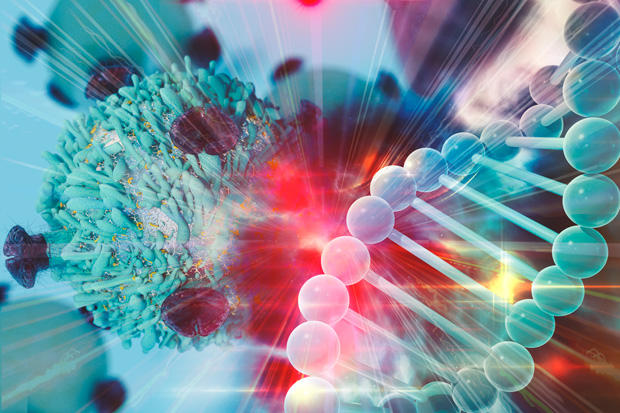
In a new study, NCI-led researchers developed a gene expression predictor that can indicate whether melanoma in a specific patient is likely to respond to treatment with immune checkpoint inhibitors, a type of immunotherapy.

https://ift.tt/2OPRH7A
Sitagliptin improves renal function in diabetic nephropathy in male Sprague Dawley rats through upregulating heme oxygenase-1 expression
Abstract
Purpose
Oxidative stress is an important mechanism for diabetic nephropathy. Studies showed that hemo oxygenase-1 (HO-1) expression in renal tissue of patients with diabetic nephropathy has upregulated, while the HO-1 can protect the body through anti-oxidative stress. The study aimed to preliminarily explore the molecular mechanism by observing the effect of Sitagliptin on HO-1 expression in renal tissue of rats with diabetic nephropathy.
Methods
The diabetic nephropathy rat model was established by STZ injection followed by intraperitoneal injection of sitagliptin with different concentrations. The mRNA expressions of HO-1 were detected by real-time PCR and Western blot and HO-1 enzyme activity change was detected by colorimetry. Human renal mesangial cell (HRMC) were cultured in vitro with high glucose concentration (30 μmol/L), phosphatidylinositol-3-kinase (PI3K) level and nuclear factor erythroid-2-related factor (Nrf2) content in cytoplasm and cell nucleus were observed before and after treatment with sitagliptin, as well as the action of in meditating HO-1 expression.
Results
HO-1 mRNA, protein level, and HO-1 enzyme activity in renal tissue of rats with diabetic nephropathy were significantly increased after treatment with sitagliptin (P < 0.05). As comparison, the 24 h urinary microalbumin, creatinine, and boold urea nitrogen were all decreased after treatment of sitagliptin (P < 0.05). Similar results were observed after CoPP (an agonist of HO-1) treatment (P < 0.05). In contrast, ZnPP, an inhibitor of HO-1, significantly abrogated the inhibitory effect of sitagliptin (P < 0.05). Phosphorylation of PI3K and Nrf2 nuclear translocation under high-glucose concentration condition was induced by sitagliptin in HRMC. HO-1 expression was suppressed by pretreating HRMC with PI3K inhibitor or RNA interference.
Conclusions
Sitagliptin may induce HO-1 expression via activation of PI3K and Nrf2 in rats with diabetic nephropathy; HO-1 can improve the oxidative stress of diabetic nephropathy, eventually protect from diabetic nephropathy.
https://ift.tt/2N34Dqg
Motor Cortex Stimulation Therapy for Relief of Central Post-Stroke Pain: A Retrospective Study with Neuropathic Pain Symptom Inventory
Stereotact Funct Neurosurg
https://ift.tt/2PoY7f9
Sitagliptin improves renal function in diabetic nephropathy in male Sprague Dawley rats through upregulating heme oxygenase-1 expression
Abstract
Purpose
Oxidative stress is an important mechanism for diabetic nephropathy. Studies showed that hemo oxygenase-1 (HO-1) expression in renal tissue of patients with diabetic nephropathy has upregulated, while the HO-1 can protect the body through anti-oxidative stress. The study aimed to preliminarily explore the molecular mechanism by observing the effect of Sitagliptin on HO-1 expression in renal tissue of rats with diabetic nephropathy.
Methods
The diabetic nephropathy rat model was established by STZ injection followed by intraperitoneal injection of sitagliptin with different concentrations. The mRNA expressions of HO-1 were detected by real-time PCR and Western blot and HO-1 enzyme activity change was detected by colorimetry. Human renal mesangial cell (HRMC) were cultured in vitro with high glucose concentration (30 μmol/L), phosphatidylinositol-3-kinase (PI3K) level and nuclear factor erythroid-2-related factor (Nrf2) content in cytoplasm and cell nucleus were observed before and after treatment with sitagliptin, as well as the action of in meditating HO-1 expression.
Results
HO-1 mRNA, protein level, and HO-1 enzyme activity in renal tissue of rats with diabetic nephropathy were significantly increased after treatment with sitagliptin (P < 0.05). As comparison, the 24 h urinary microalbumin, creatinine, and boold urea nitrogen were all decreased after treatment of sitagliptin (P < 0.05). Similar results were observed after CoPP (an agonist of HO-1) treatment (P < 0.05). In contrast, ZnPP, an inhibitor of HO-1, significantly abrogated the inhibitory effect of sitagliptin (P < 0.05). Phosphorylation of PI3K and Nrf2 nuclear translocation under high-glucose concentration condition was induced by sitagliptin in HRMC. HO-1 expression was suppressed by pretreating HRMC with PI3K inhibitor or RNA interference.
Conclusions
Sitagliptin may induce HO-1 expression via activation of PI3K and Nrf2 in rats with diabetic nephropathy; HO-1 can improve the oxidative stress of diabetic nephropathy, eventually protect from diabetic nephropathy.
https://ift.tt/2N34Dqg
Further studies about Coactosin-like protein-1 affecting the migration of mouse neocortical neurons
Abstract
During the development of mammalian cortex, late neurons generated by neuronal progenitors bypass earlier-born neurons and migrate to reach upper layers of cortical plate in an inner-to-outer fashion. Filamentous-actin (F-actin) can regulate neuronal migration, whereas Coactosin-like protein 1 (Cotl1) modulates F-actin. Lys 75 and Arg 73 of Cotl1 play an important role in binding F-actin; when they are mutated to Glu, Cotl1 cannot bind F-actin, called as a non-actin-binding mutant (ABM). The Lys 131 site of Cotl1, the 5-Lipoxygenase (5LO) binding site, is spatially close to Lys 75, leading to impact the binding of Cotl1 to F-actin. When Lys 131 is mutated to Ala (K131A), Cotl1 cannot bind to 5LO. We have demonstrated that overexpression of Cotl1 inhibited neuronal migration and increased the length of neuronal leading processes. To further explore cellular and molecular mechanisms of Cotl1's effect on neuronal migration, we constructed two mutant vectors—Cotl1-ABM and Cotl1-K131A and studied using in utero electroporation and primary neuronal culture technique. Results indicated that in the Cotl1-ABM group, the neuronal migration and length of the leading process both recovered as control neurons at the postnatal day 1 (P1), while in the Cotl1-K131A group, numerous neurons remained in deeper layers of cortical plate or intermediate zone. However, at P7, most Cotl1-K131A transfected neurons reached their destination. Moreover, we found that overexpression of Cotl1 inhibited the proliferation and mitotic activity of NPs. Therefore, These results demonstrated that Cotl1 played an important role in mouse neocortical development.
https://ift.tt/2BEiNx9
Maternal low-protein diet during lactation combined with early overfeeding impair male offspring’s long-term glucose homeostasis
Abstract
Purpose
The early-life nutritional environment affects long-term glucose homeostasis, we investigated the effects of maternal low-protein diet combined with postnatal early overfeeding on the male offspring's glucose homeostasis in adulthood.
Methods
Only male rats were used, and their delivery was considered postnatal-day 0 (PN0). Wistar rats' dams were divided into control (NP) or low-protein diet (LP). LP dams remained on the diet until PN14, after which all animals were supplied with the control diet. At PN2, litters were adjusted to 9 (control-NL) or 3 (postnatal-overfeeding-PO) pups, resulting in four experimental groups: NP-NL, NP-PO, LP-NL, and LP-PO. Litters were weaned on PN21. At PN80, a batch of animals from all experimental groups underwent surgery for cannula implantation, followed by intravenous glucose tolerance test (ivGTT), but the insulinogenic index (ISI) was calculated. At PN81, animals were euthanized and tissues were collected.
Results
LP-diet and early postnatal-overfeeding were effective in promoting the expected biometric outcomes at PN21 and PN81, but the LP-PO animals present a biometric profile similar to the control (NP-NL) group. Postnatal-overfeeding increased fasting glycemia in LP-PO animals (p < 0.01). In the ivGTT, postnatal-overfeeding elevated the glycemia (p < 0.0001), exacerbated in LP-PO animals (p < 0.0001). Insulinemia was reduced by both, maternal LP-diet and postnatal-overfeeding, with a higher degree of reduction in LP-PO animals (p < 0.0001). Maternal LP-diet and postnatal-overfeeding reduced the ISI (p < 0.0001). Factors interaction lead the LP-PO to a lower ISI compared to all other groups (p < 0.0001).
Conclusions
The combination of low-protein diet in breastfeeding dams with postnatal overfeeding disturbed the offspring's glucose metabolism in adulthood.
https://ift.tt/2MmdPd4
Maternal low-protein diet during lactation combined with early overfeeding impair male offspring’s long-term glucose homeostasis
Abstract
Purpose
The early-life nutritional environment affects long-term glucose homeostasis, we investigated the effects of maternal low-protein diet combined with postnatal early overfeeding on the male offspring's glucose homeostasis in adulthood.
Methods
Only male rats were used, and their delivery was considered postnatal-day 0 (PN0). Wistar rats' dams were divided into control (NP) or low-protein diet (LP). LP dams remained on the diet until PN14, after which all animals were supplied with the control diet. At PN2, litters were adjusted to 9 (control-NL) or 3 (postnatal-overfeeding-PO) pups, resulting in four experimental groups: NP-NL, NP-PO, LP-NL, and LP-PO. Litters were weaned on PN21. At PN80, a batch of animals from all experimental groups underwent surgery for cannula implantation, followed by intravenous glucose tolerance test (ivGTT), but the insulinogenic index (ISI) was calculated. At PN81, animals were euthanized and tissues were collected.
Results
LP-diet and early postnatal-overfeeding were effective in promoting the expected biometric outcomes at PN21 and PN81, but the LP-PO animals present a biometric profile similar to the control (NP-NL) group. Postnatal-overfeeding increased fasting glycemia in LP-PO animals (p < 0.01). In the ivGTT, postnatal-overfeeding elevated the glycemia (p < 0.0001), exacerbated in LP-PO animals (p < 0.0001). Insulinemia was reduced by both, maternal LP-diet and postnatal-overfeeding, with a higher degree of reduction in LP-PO animals (p < 0.0001). Maternal LP-diet and postnatal-overfeeding reduced the ISI (p < 0.0001). Factors interaction lead the LP-PO to a lower ISI compared to all other groups (p < 0.0001).
Conclusions
The combination of low-protein diet in breastfeeding dams with postnatal overfeeding disturbed the offspring's glucose metabolism in adulthood.
https://ift.tt/2MmdPd4
Low-cost Enabling Technology for Image-guided Photodynamic Therapy (PDT) of Oral Cancer Cancer.
Intervention: Combination Product: Photodynamic Therapy
Sponsors: Massachusetts General Hospital; Jawaharlal Nehru Medical College; National Cancer Institute (NCI)
Recruiting
https://ift.tt/2OS07vA
Safety, Preliminary Efficacy and PK of Isatuximab (SAR650984) Alone or in Combination With Atezolizumab in Patients With Advanced Malignancies
Interventions: Drug: Isatuximab SAR650984; Drug: Atezolizumab
Sponsor: Sanofi
Recruiting
https://ift.tt/2nSq2b1
Clinical and Radiographic Outcomes of Distal Metatarsal Metaphyseal Osteotomy for Central Primary Metatarsalgia
Intervention: Procedure: Distal Metatarsal Metaphyseal Osteotomy (DMMO)
Sponsor: University of Padua
Recruiting
https://ift.tt/2OM47xt
Dry Needling vs Dry Needling With ES in Patients With Neck/Shoulder Pain
Interventions: Procedure: Dry needling (DN); Procedure: Dry needling with intramuscular electrical stimulation (DNES)
Sponsor: Kindyle Brennan
Recruiting
https://ift.tt/2nPjTfE
Autologous CAR-T/TCR-T Cell Immunotherapy for Malignancies
Intervention: Biological: CAR-T cell immunotherapy
Sponsors: Shenzhen BinDeBio Ltd.; The First Affiliated Hospital of Zhengzhou University
Recruiting
https://ift.tt/2OUD6YX

-
Ειδοποίηση Μελετητή:[ ωτα ] [HTML] Gender, identity and material: Film screening C Brand - 2017 ftypM4V *M4V M4A mp42isom*a┌moovlmvhd...
-
Publication date: September 2017 Source: Free Radical Biology and Medicine, Volume 110 Author(s): Lucía Fernández-del-Río, Anish Nag, Elen...


