Ετικέτες

Δευτέρα 23 Απριλίου 2018

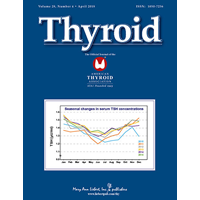
Thyroid® High-Impact Articles

thy.2018.28.issue-4.png

FREE ACCESS through May 7, 2018.
Read now:

Latest Impact Factor: 5.515
The Official Journal of: American Thyroid Association®

 Seasonal Changes in Serum Thyrotropin Concentrations Observed from Big Data Obtained During Six Consecutive Years from 2010 to 2015 at a Single Hospital in Japan 
Ai Yoshihara, Jaeduk Yoshimura Noh, Natsuko Watanabe, Kenji Iwaku, Yo Kunii, Hidemi Ohye, Miho Suzuki, Masako Matsumoto, Nami Suzuki, Kiminori Sugino, Linda M. Thienpont, Akira Hishinuma, Koichi Ito  

Hypothyroidism During Tyrosine Kinase Inhibitor Therapy Is Associated with Longer Survival in Patients with Advanced Nonthyroidal Cancers
Melissa G. Lechner, Chirag M. Vyas, Ole-Petter R. Hamnvik, Erik K. Alexander, P. Reed Larsen, Toni K. Choueiri, Trevor E. Angell  

Quantitative Analysis of the Benefits and Risk of Thyroid Nodule Evaluation in Patients ≥70 Years Old
Zhihong Wang, Chirag M. Vyas, Olivia Van Benschoten, Matt A. Nehs, Francis D. Moore, Jr., Ellen Marqusee, Jeffrey F. Krane, Matthew I. Kim, Howard T. Heller, Atul A. Gawande, Mary C. Frates, Peter M. Doubilet, Gerard M. Doherty, Nancy L. Cho, Edmund S. Cibas, Carol B. Benson, Justine A. Barletta, Ann Marie Zavacki, P. Reed Larsen, Erik K. Alexander, Trevor E. Angell

Occurrence of Endocrine and Thyroid Cancers Among Alaska Native People, 1969-2013
Sarah H. Nash, Anne P. Lanier, Molly B. Southworth  

Subclassification of Bethesda Atypical and Follicular Neoplasm Categories According to Nuclear and Architectural Atypia Improves Discrimination of Thyroid Malignancy Risk
Joel Xue Yi Lim, Min En Nga, Dedrick Kok Hong Chan, Wee Boon Tan,Rajeev Parameswaran, Kee Yuan Ngiam

The post <i>Thyroid<sup>®</sup></i> High-Impact Articles appeared first on American Thyroid Association.


https://ift.tt/2K7fHBI

Moderators of angiogenesis in muscle flaps: a non-randomised animal study

A muscle flap can survive a pedicle injury under favourable conditions. In the reconstruction of compound limb injuries, the wound milieu is variable and may affect the rate and manner of neovascularisation. Our aim is to determine the effect of some key clinical variables on neovascularisation in muscle flaps in an animal model.

https://ift.tt/2JgfCdN

The Impact of Hormonal Contraceptives on Breast Cancer Pathology

Abstract

This retrospective case series study, using data obtained through questionnaires and histopathological diagnoses from 656 patients enrolled in the Department of Defense (DoD) Clinical Breast Care Project (CBCP), evaluated associations between hormonal contraceptive use and breast cancer pathology including benign breast pathologies. Three combination hormonal contraceptive agents (COCs) Lo Ovral (LO), Ortho Novum (ON), and Ortho Tri-Cyclen (OTC) were evaluated as they represented the most commonly used hormonal contraceptives in our cohort. The results of this study suggest that the ever use of LO + ON + OTC does not influence the overall incidence of benign breast condition or malignant disease compared to other COCs; however, patients that have used OTC had an association with a diagnosis of benign or luminal A pathologies whereas ON was associated with a diagnosis of benign and DCIS; LO showed no association with any diagnosis—benign or malignant. Patients that have used LO or ON were more likely to be diagnosed with breast cancer at age ≥ 40 years whereas patients that had ever used OTC were likely to be diagnosed before the age of 40. Caucasians were less likely to have used OTC and more likely to have used ON; however, use of either hormonal agent positively correlated with premenopausal status at diagnosis and having a benign condition. Age at diagnosis, ethnicity, BMI, family history, menstruation status, and duration of use were all independent predictors of different histopathological subtypes. We conclude that patient-specific variables should be considered when deciding on which type of hormonal contraceptive to use to minimize the risk of developing breast cancer or a breast-related pathology.


https://ift.tt/2HWYpXy

In vivo methods for acute modulation of gene expression in the central nervous system

Publication date: Available online 22 April 2018
Source:Progress in Neurobiology
Author(s): Andrzej W. Cwetsch, Bruno Pinto, Annalisa Savardi, Laura Cancedda
Accurate and timely expression of specific genes guarantees the healthy development and function of the brain. Indeed, variations in the correct amount or timing of gene expression lead to improper development and/or pathological conditions. Almost forty years after the first successful gene transfection in in vitro cell cultures, it is currently possible to regulate gene expression in an area-specific manner at any step of central nervous system development and in adulthood in experimental animals in vivo, even overcoming the very poor accessibility of the brain. Here, we will review the diverse approaches for acute gene transfer in vivo, highlighting their advantages and disadvantages with respect to the efficiency and specificity of transfection as well as to brain accessibility. In particular, we will present well-established chemical, physical and virus-based approaches suitable for different animal models, pointing out their current and future possible applications in basic and translational research as well as in gene therapy.


https://ift.tt/2vE7e5Z

Non-imaged based method for matching brains in a common anatomical space for cellular imagery

S01650270.gif

Publication date: Available online 22 April 2018
Source:Journal of Neuroscience Methods
Author(s): Maëllie Midroit, Marc Thevenet, Arnaud Fournel, Joelle Sacquet, Moustafa Bensafi, Marine Breton, Laura Chalençon, Matthias Cavelius, Anne Didier, Nathalie Mandairon
BackgroundCellular imagery using histology sections is one of the most common techniques used in Neuroscience. However, this inescapable technique has severe limitations due to the need to delineate regions of interest on each brain, which is time consuming and variable across experimenters.New MethodWe developed algorithms based on a vectors field elastic registration allowing fast, automatic realignment of experimental brain sections and associated labeling in a brain atlas with high accuracy and in a streamlined way. Thereby, brain areas of interest can be finely identified without outlining them and different experimental groups can be easily analyzed using conventional tools. This method directly readjusts labeling in the brain atlas without any intermediate manipulation of images.ResultsWe mapped the expression of cFos, in the mouse brain (C57Bl/6J) after olfactory stimulation or a non-stimulated control condition and found an increased density of cFos-positive cells in the primary olfactory cortex but not in non-olfactory areas of the odor-stimulated animals compared to the controls.Comparison with Existing Method(s)Existing methods of matching are based on image registration which often requires expensive material (two-photon tomography mapping or imaging with iDISCO) or are less accurate since they are based on mutual information contained in the images. Our new method is non-imaged based and relies only on the positions of detected labeling and the external contours of sections.ConclusionsWe thus provide a new method that permits automated matching of histology sections of experimental brains with a brain reference atlas.


https://ift.tt/2vEpDj1

An integrated system for synchronous detection of neuron spikes and dopamine activities in the striatum of Parkinson monkey brain

Publication date: Available online 23 April 2018
Source:Journal of Neuroscience Methods
Author(s): Shengwei Xu, Yu Zhang, Song Zhang, Guihua Xiao, Mixia Wang, Yilin Song, Fei Gao, Ziyue Li, Ping Zhuang, Piu Chan, Guoxian Tao, Feng Yue, Xinxia Cai
BackgroundSynchronous detecting neuron spikes and dopamine (DA) activities in the non-human primate brain play an important role in understanding of Parkinson's disease (PD). At present, most experiments are carried out by combing of electrodes and commercial instruments, which are inconvenient, time-consuming and inefficient.New methodHerein, this study describes a novel integrated system for monitoring neuron spikes and DA activities in non-human primate brain synchronously. This system integrates an implantable sensor, a dual-function head-stage and a low noise detection instrument.MethodsThe system was developed efficiently by using the key technologies of noise reduction, interference protection and differential amplification. To demonstrate the utility of this system, synchronous recordings of electrophysiological signals and DA were in vivo performed in a monkey before and after treated as a Parkinson model monkey.ResultsThe system typically exhibited input-referred noise levels of only ∼ 3 μVRMS, input impedance levels of up to 5.1 GΩ, and a sensitivity of 14.075 pA/μM for DA and could detect electrophysiological signals and DA without mutual interference. In monkey experiments, lower DA concentrations in the striatum and more intensive spikes of the Parkinson model monkey than the normal one were synchronously recorded efficiently.Comparison with existing methodsThis integrated system will not only significantly simplify the experimental operation and improve the experimental efficiency, but also improve the signal quality and synchronization performance.ConclusionsThis integrated system, which is practical, efficient and convenient, can be widely used for the study of PD and other neurological disorders.


https://ift.tt/2HFqNj0

Geometry Processing of Conventionally Produced Mouse Brain Slice Images

S01650270.gif

Publication date: Available online 22 April 2018
Source:Journal of Neuroscience Methods
Author(s): Nitin Agarwal, Xiangmin Xu, M. Gopi
Background:Brain mapping research in most neuroanatomical laboratories relies on conventional processing techniques, which often introduce histological artifacts such as tissue tears and tissue loss.New Method:In this paper we present techniques and algorithms for automatic registration and 3D reconstruction of conventionally produced mouse brain slices in a standardized atlas space. This is achieved first by constructing a virtual 3D mouse brain model from annotated slices of Allen Reference Atlas (ARA). Virtual re-slicing of the reconstructed model generates ARA-based slice images corresponding to the microscopic images of histological brain sections. These image pairs are aligned using a geometric approach through contour images. Histological artifacts in the microscopic images are detected and removed using Constrained Delaunay Triangulation before performing global alignment. Finally, non-linear registration is performed by solving Laplace's equation with Dirichlet boundary conditions.Results:Our methods provide significant improvements over previously reported registration techniques for the tested slices in 3D space, especially on slices with significant histological artifacts. Further, as one of the application we count the number of neurons in various anatomical regions using a dataset of 51 microscopic slices from a single mouse brain.Comparison with Existing Method(s):To the best of our knowledge the presented work is the first that automatically registers both clean as well as highly damaged high-resolutions histological slices of mouse brain to a 3D annotated reference atlas space.Conclusions:This work represents a significant contribution to this subfield of neuroscience as it provides tools to neuroanatomist for analyzing and processing histological data.


https://ift.tt/2vBjGDC

Customizable Cap Implants for Neurophysiological Experimentation

S01650270.gif

Publication date: Available online 22 April 2018
Source:Journal of Neuroscience Methods
Author(s): Jackson D. Blonde, Megan Roussy, Rogelio Luna, Borna Mahmoudian, Roberto A. Gulli, Kevin C. Barker, Jonathan C. Lau, Julio C. Martinez-Trujillo
BackgroundSeveral primate neurophysiology laboratories have adopted acrylic-free, custom-fit cranial implants. These implants are often comprised of titanium or plastic polymers, such as polyether ether ketone (PEEK). Titanium is favored for its mechanical strength and osseointegrative properties whereas PEEK is notable for its lightweight, machinability, and MRI compatibility. Recent titanium/PEEK implants have proven to be effective in minimizing infection and implant failure, thereby prolonging experiments and optimizing the scientific contribution of a single primate.New MethodWe created novel, customizable PEEK 'cap' implants that contour to the primate's skull. The implants were created using MRI and/or CT data, SolidWorks software and CNC-machining.ResultsThree rhesus macaques were implanted with a PEEK cap implant. Head fixation and chronic recordings were successfully performed. Improvements in design and surgical technique solved issues of granulation tissue formation and headpost screw breakage.Comparison with existingmethods Primate cranial implants have traditionally been fastened to the skull using acrylic and anchor screws. This technique is prone to skin recession, infection, and implant failure. More recent methods have used imaging data to create custom-fit titanium/PEEK implants with radially extending feet or vertical columns. Compared to our design, these implants are more surgically invasive over time, have less force distribution, and/or do not optimize the utilizable surface area of the skull.ConclusionsOur PEEK cap implants served as effective and affordable means to perform electrophysiological experimentation while reducing surgical invasiveness, providing increased strength, and optimizing useful surface area.


https://ift.tt/2qSUKmh

Silencing the insular-striatal circuit decreases alcohol self-administration and increases sensitivity to alcohol

S01664328.gif

Publication date: 1 August 2018
Source:Behavioural Brain Research, Volume 348
Author(s): Anel A. Jaramillo, Kalynn Van Voorhies, Patrick A. Randall, Joyce Besheer
Internal drug states/cues can impact drug taking, as pretreatment with a moderate to high alcohol dose (i.e., loading dose) can decrease subsequent alcohol self-administration, alcohol-seeking, and relapse-like drinking. The insular cortex (IC) is implicated in processing information about internal states and findings show that silencing the IC and its projections to the nucleus accumbens core (AcbC) enhance sensitivity to the interoceptive effects of alcohol. Therefore, the goal of the present work was to determine the functional role of IC-AcbC projections in modulating the effects of alcohol pretreatment on operant alcohol self-administration. Long-Evans rats were trained to self-administer a sweetened alcohol solution (15% alcohol (v/v) + 2% sucrose (w/v)) and on test sessions received pretreatment with an alcohol loading dose. A chemogenetic strategy (i.e., hM4D Designer Receptors Exclusively Activated by Designer Drugs [DREADDs]) was implemented to silence the IC-AcbC projections and test the functional role of the insular-striatal circuitry in regulating self-administration following the alcohol loading doses. Alcohol self-administration decreased following pre-session treatment with alcohol, confirming titration of alcohol drinking following a loading dose of alcohol. Chemogenetic silencing of IC-AcbC projections decreased alcohol self-administration under baseline conditions (i.e., water loading dose) and the reduction in self-administration of an alcohol loading dose, implicating a role for this circuit in the maintenance of alcohol self-administration and suggesting increased sensitivity to the alcohol loading dose. These findings provide evidence for the critical nature of insular-striatal circuitry in ongoing alcohol self-administration, and specifically in relation to interoceptive/internal cues that can impact alcohol drinking.


https://ift.tt/2Kaqpre

Reply: The Case of Dynamic CHA2DS2-VASc Score: Beyond Risk Prediction


https://ift.tt/2qSyN6N

1-Year Outcomes of Transcatheter Mitral Valve Replacement in Patients With Severe Mitral Annular Calcification

AbstractBackground

The risk of surgical mitral valve replacement in patients with severe mitral annular calcification (MAC) is high. Several patients worldwide with severe MAC have been treated successfully with transcatheter mitral valve replacement (TMVR) using balloon-expandable aortic transcatheter valves. The TMVR in MAC Global Registry is a multicenter registry that collects data on outcomes of these procedures.

Objectives

The goal of this study was to evaluate 1-year outcomes in this registry.

Methods

This study was a multicenter retrospective review of clinical outcomes.

Results

A total of 116 extreme surgical risk patients with severe MAC underwent TMVR; 106 had a procedure date >1 year before data-lock and were included in the analysis. Their mean age was 73 ± 12 years, and 68% were female. The mean Society of Thoracic Surgeons score was 15.3 ± 11.6%, and 90% were in New York Heart Association functional class III or IV. Thirty-day and 1-year all-cause mortality was 25% and 53.7%, respectively. Most patients who survived 30 days were alive at 1 year (49 of 77 [63.6%]), and the majority (71.8%) were in New York Heart Association functional class I or II. Echocardiography data at 1 year were available in 34 patients. Mean left ventricular ejection fraction was 58.6 ± 11.2%, mean mitral valve area was 1.9 ± 0.5 cm2, mean mitral gradient was 5.8 ± 2.2 mm Hg, and 75% had zero or trace mitral regurgitation.

Conclusions

TMVR with balloon-expandable aortic valves in extreme surgical risk patients with severe MAC is feasible but associated with high 30-day and 1-year mortality. Most patients who survive the 30-day post-procedural period are alive at 1 year and have sustained improvement of symptoms and transcatheter valve performance. The role of TMVR in patients with MAC requires further evaluation in clinical trials.


https://ift.tt/2qSyU2d

Cerebrovascular Events After Cardiovascular Procedures: Risk Factors, Recognition, and Prevention Strategies

Abstract

Stroke has long been a devastating complication of any cardiovascular procedure that unfavorably affects survival and quality of life. Over time, strategies have been developed to substantially reduce the incidence of stroke after traditional cardiovascular procedures such as coronary artery bypass grafting, isolated valve surgery, and carotid endarterectomy. Subsequently, with the advent of minimally invasive technologies including percutaneous coronary intervention, carotid artery stenting, and transcatheter valve therapies, operators were faced with a new host of procedural risk factors, and efforts again turned toward identifying novel ways to reduce the risk of stroke. Fortunately, by understanding the procedural factors unique to these new techniques and applying many of the lessons learned from prior experiences, we are seeing significant improvements in the safety of these new technologies. In this review, the authors: 1) carefully analyze data from different cardiac procedural experiences ranging from traditional open heart surgery to percutaneous coronary intervention and transcatheter valve therapies; 2) explore the unique risk factors for stroke in each of these areas; and 3) describe how these risks can be mitigated with improved patient selection, adjuvant pharmacotherapy, procedural improvements, and novel technological advancements.


https://ift.tt/2qSObzQ

Transcatheter Mitral Valve Replacement for Severe Mitral Annular Calcification: Is it Ready for Prime Time?


https://ift.tt/2HlR4j2

Reply: Early Cardiac Resynchronization Therapy for Left Bundle Branch Block-Associated Cardiomyopathies


https://ift.tt/2qSyJUB

Metabolically Healthy Obesity, Transition to Metabolic Syndrome, and Cardiovascular Risk

AbstractBackground

Debate over the cardiometabolic risk associated with metabolically healthy obesity (MHO) continues. Many studies have investigated this relationship by examining MHO at baseline with longitudinal follow-up, with inconsistent results.

Objectives

The authors hypothesized that MHO at baseline is transient and that transition to metabolic syndrome (MetS) and duration of MetS explains heterogeneity in incident cardiovascular disease (CVD) and all-cause mortality.

Methods

Among 6,809 participants of the MESA (Multi-Ethnic Study of Atherosclerosis) the authors used Cox proportional hazards and logistic regression models to investigate the joint association of obesity (≥30 kg/m2) and MetS (International Diabetes Federation consensus definition) with CVD and mortality across a median of 12.2 years. We tested for interaction and conducted sensitivity analyses for a number of conditions.

Results

Compared with metabolically healthy normal weight, baseline MHO was not significantly associated with incident CVD; however, almost one-half of those participants developed MetS during follow-up (unstable MHO). Those who had unstable MHO had increased odds of CVD (odds ratio [OR]: 1.60; 95% confidence interval [CI]: 1.14 to 2.25), compared with those with stable MHO or healthy normal weight. Dose response for duration of MetS was significantly and linearly associated with CVD (1 visit with MetS OR: 1.62; 95% CI: 1.27 to 2.07; 2 visits, OR: 1.92; 95% CI: 1.48 to 2.49; 3+ visits, OR: 2.33; 95% CI: 1.89 to 2.87; p value for trend <0.001) and MetS mediated approximately 62% (44% to 100%) of the relationship between obesity at any point during follow-up and CVD.

Conclusions

Metabolically healthy obesity is not a stable or reliable indicator of future risk for CVD. Weight loss and lifestyle management for CVD risk factors should be recommended to all individuals with obesity.


https://ift.tt/2qT7E3A

Prior Authorization Reform for Better Patient Care


https://ift.tt/2qTiLt6

Dangers and Long-Term Outcomes in Metabolically Healthy Obesity: The Impact of the Missing Fitness Component


https://ift.tt/2HrzD0E

Left Bundle Branch Block-Associated Cardiomyopathies and Early Cardiac Resynchronization Therapy: Conceptualizing a Tailored Approach


https://ift.tt/2HMG3uJ

Pharmacogenomic Approach to Selecting Antiplatelet Therapy in Patients With Acute Coronary Syndromes: The PHARMCLO Trial

AbstractBackground

Although clopidogrel is still frequently used in patients with acute coronary syndromes (ACS), its efficacy is hampered by interpatient response variability caused by genetic polymorphisms associated with clopidogrel's metabolism.

Objectives

The goal of this study was to evaluate whether selecting antiplatelet therapy (clopidogrel, prasugrel, or ticagrelor) on the basis of a patient's genetic and clinical characteristics leads to better clinical outcomes compared with the standard of care, which bases the selection on clinical characteristics alone.

Methods

Patients hospitalized for ACS were randomly assigned to standard of care or the pharmacogenomic arm, which included the genotyping of ABCB1, CYP2C19*2, and CYP2C19*17 using an ST Q3 system that provides data within 70 min at each patient's bedside. The patients were followed up for 12 ± 1 month for the primary composite endpoint of cardiovascular death and the first occurrence of nonfatal myocardial infarction, nonfatal stroke, and major bleeding defined according to Bleeding Academic Research Consortium type 3 to 5 criteria.

Results

After enrolling 888 patients, the study was prematurely stopped. Clopidogrel was used more frequently in the standard-of-care arm (50.7% vs. 43.3%), ticagrelor in the pharmacogenomic arm (42.6% vs. 32.7%; p = 0.02), and prasugrel was equally used in both arms. The primary endpoint occurred in 71 patients (15.9%) in the pharmacogenomic arm and in 114 (25.9%) in the standard-of-care arm (hazard ratio: 0.58; 95% confidence interval: 0.43 to 0.78; p < 0.001).

Conclusions

A personalized approach to selecting antiplatelet therapy for patients with ACS may reduce ischemic and bleeding events. (Pharmacogenetics of Clopidogrel in Patients With Acute Coronary Syndromes [PHARMCLO]; NCT03347435)


https://ift.tt/2qSsNLk

JACC Instructions for Authors


https://ift.tt/2JkcmOA

Pharmacogenomic Testing to Select Antiplatelet Therapy


https://ift.tt/2Hmt5jz

Domain Management Approach to Heart Failure in the Geriatric Patient: Present and Future

Abstract

Heart failure (HF) is a quintessential geriatric cardiovascular condition, with more than 50% of hospitalizations occurring in adults age 75 years or older. In older patients, HF is closely linked to processes inherent to aging, which include cellular and structural changes to the myocardium, vasculature, and skeletal muscle. In addition, HF cannot be considered in isolation of physical functioning, or without the social, psychological, and behavioral dimensions of illness. The role of frailty, depression, cognitive impairment, nutrition, and goals of care are each uniquely relevant to the implementation and success of medical therapy. In this paper, we discuss a model of caring for older adults with HF through a 4-domain framework that can address the unique multidimensional needs and vulnerabilities of this population. We believe that clinicians who embrace this approach can improve health outcomes for older adults with HF.


https://ift.tt/2Hmqqq1

Neoatherosclerosis 5 Years After Bioresorbable Vascular Scaffold Implantation

AbstractBackground

Data regarding neoatherosclerosis after everolimus-eluting bioresorbable vascular scaffold (BVS) (ABSORB BVS Rev. 1.1, Abbott Vascular, Santa Clara, California) implantation are limited.

Objectives

This study investigated the findings of neoatherosclerosis at 5 years after BVS 1.1 implantation by using multi-imaging modalities, including optical coherence tomography (OCT).

Methods

Patients included in the ABSORB EXTEND (ABSORB EXTEND Clinical Investigation) trial at Shonan Kamakura General Hospital underwent OCT at baseline after the index procedure and at 1 and 5 years. Intimal plaque distributions in the in-scaffold and out-scaffold segments were analyzed.

Results

Twenty patients (22 lesions) with stable angina pectoris were enrolled. The median follow-up duration was 67 months (interquartile range: 65 to 69 months), and the mean age was 69 ± 8 years. Patients with diabetes mellitus (25%) were included. Based on the baseline angiogram, 10 (46%) lesions were type B2/C lesions. At 1 and 5 years of follow-up, significant differences in the prevalence of in-scaffold lipid-laden neointima (17% vs. 61%; p = 0.04), calcification (28% vs. 94%; p < 0.01), neovascularization (6% vs. 78%; p < 0.01), and thin-cap fibroatheroma (0% vs. 22%; p = 0.02) were found. In the out-scaffold segments, no significant difference in the plaque prevalence between 1 and 5 years was noted.

Conclusions

The occurrence and progression of in-scaffold neoatherosclerosis with luminal narrowing was observed at 5 years after BVS 1.1 implantation. The small size of the current study warrants confirmation in larger study. (ABSORB EXTEND Clinical Investigation [ABSORB EXTEND]; NCT01023789)


https://ift.tt/2qS1joX

JACC: Basic to Translational Science: The Apple That Falls Closely to the JACC Family Tree


https://ift.tt/2HoSs4r

Long-Term Assessment of Bioresorbable Coronary Scaffolds: Disappearing Stents, Reappearing Atherosclerosis


https://ift.tt/2JhYAfo

The Case of Dynamic CHA2DS2-VASc Score: Beyond Risk Prediction


https://ift.tt/2Jn0fAu

Propranolol Versus Metoprolol for Treatment of Electrical Storm in Patients With Implantable Cardioverter-Defibrillator

AbstractBackground

Electrical storm (ES), characterized by unrelenting recurrences of ventricular arrhythmias, is observed in approximately 30% of patients with implantable cardioverter-defibrillators (ICDs) and is associated with high mortality rates.

Objectives

Sympathetic blockade with β-blockers, usually in combination with intravenous (IV) amiodarone, have proved highly effective in the suppression of ES. In this study, we compared the efficacy of a nonselective β-blocker (propranolol) versus a β1-selective blocker (metoprolol) in the management of ES.

Methods

Between 2011 and 2016, 60 ICD patients (45 men, mean age 65.0 ± 8.5 years) with ES developed within 24 h from admission were randomly assigned to therapy with either propranolol (160 mg/24 h, Group A) or metoprolol (200 mg/24 h, Group B), combined with IV amiodarone for 48 h.

Results

Patients under propranolol therapy in comparison with metoprolol-treated individuals presented a 2.67 times decreased incidence rate (incidence rate ratio: 0.375; 95% confidence interval: 0.207 to 0.678; p = 0.001) of ventricular arrhythmic events (tachycardia or fibrillation) and a 2.34 times decreased rate of ICD discharges (incidence rate ratio: 0.428; 95% CI: 0.227 to 0.892; p = 0.004) during the intensive care unit (ICU) stay, after adjusting for age, sex, ejection fraction, New York Heart Association functional class, heart failure type, arrhythmia type, and arrhythmic events before ICU admission. At the end of the first 24-h treatment period, 27 of 30 (90.0%) patients in group A, while only 16 of 30 (53.3%) patients in group B were free of arrhythmic events (p = 0.03). The termination of arrhythmic events was 77.5% less likely in Group B compared with Group A (hazard ratio: 0.225; 95% CI: 0.112 to 0.453; p < 0.001). Time to arrhythmia termination and length of hospital stay were significantly shorter in the propranolol group (p < 0.05 for both).

Conclusions

The combination of IV amiodarone and oral propranolol is safe, effective, and superior to the combination of IV amiodarone and oral metoprolol in the management of ES in ICD patients.


https://ift.tt/2HMGaGF

Dyssynchrony-Induced Cardiomyopathy


https://ift.tt/2HnO8Cp

Why Is Propranolol Better Than Metoprolol in Acute Treatment of Electrical Storm?


https://ift.tt/2JippzY

Ethnobotany of dioecious species: Traditional knowledge on dioecious plants in India

Publication date: 15 July 2018
Source:Journal of Ethnopharmacology, Volume 221
Author(s): Gopalakrishnan Saroja Seethapathy, Kaliamoorthy Ravikumar, Berit Smestad Paulsen, Hugo J. de Boer, Helle Wangensteen
Ethnopharmacological relevanceMore than 15,000 angiosperm species are dioecious, i.e., having distinct male and female individual plants. The allocation of resources between male and female plants is different, and also variation in secondary metabolites and sex-biased herbivory is reported among dioecious plants. However, little is known about the ethnobotany of dioecious species and whether preferences exist for a specific gender, e.g., in food, medicine or timber.Aim of the studyThe aim of this study was: 1) to study whether Indian folk healers have preference for plant genders, and to document their knowledge and use of dioecious species; 2) to understand the concept of plant gender in Indian systems of medicine and folk medicine, and whether Ayurvedic literature includes any references to gender preference.Materials and methodsLists of dioecious plants used in Indian systems of medicine and folk medicine were compiled. Ethnobotanical data was collected on perceptions and awareness of dioecious plants, and preferences of use for specific genders of dioecious species using semi-structured interviews with folk healers in Tamil Nadu, India. In addition, twenty Ayurvedic doctors were interviewed to gain insight into the concept of plant gender in Ayurveda.ResultsIndian systems of medicine contain 5–7% dioecious species, and this estimate is congruent with the number of dioecious species in flowering plants in general. Informants recognized the phenomenon of dioecy in 31 out of 40 species, and reported gender preferences for 13 species with respect to uses as timber, food and medicine. Among informants different plant traits such as plant size, fruit size, and visibility of fruits determines the perception of a plant being a male or female. Ayurvedic classical literature provides no straightforward evidence on gender preferences in preparation of medicines or treatment of illness, however it contains details about reproductive morphology and sexual differentiation of plants.ConclusionsA knowledge gap exists in ethnobotanical and ethnopharmacological literature on traditional knowledge of dioecious plants. From this explorative study it is evident that people have traditional knowledge on plant gender and preferential usages towards one gender. Based on this, we propose that researchers conducting ethnobotanical and ethnopharmacological studies should consider documenting traditional knowledge on sexual systems of plants, and test the existence of gender specific usages in their conceptual framework and hypothesis testing. Incorporating such concepts could provide new dimensions of scientific knowledge with potential implications to conservation biology, chemical ecology, ethnoecology and drug discovery.

Graphical abstract

image


https://ift.tt/2qRSrja

Neuropharmacological effects of essential oil from the leaves of Croton conduplicatus Kunth and possible mechanisms of action involved

Publication date: 15 July 2018
Source:Journal of Ethnopharmacology, Volume 221
Author(s): Raimundo Gonçalves de Oliveira Júnior, Christiane Adrielly Alves Ferraz, Juliane Cabral Silva, Roxana Braga de Andrade Teles, Mariana Gama Silva, Tâmara Coimbra Diniz, Uiliane Soares dos Santos, Ana Valéria Vieira de Souza, Carlos Eduardo Pereira Nunes, Marcos José Salvador, Vitor Prates Lorenzo, Lucindo José Quintans Júnior, Jackson Roberto Guedes da Silva Almeida
Ethnopharmacological relevanceCroton conduplicatus Kunth (Euphorbiaceae) is a Brazilian aromatic medicinal plant, widely known as "quebra-faca". In folk medicine, its leaves and stem-barks are used as a natural analgesic for the treatment of headaches.Aim of the studyIn this study, we describe for the first time the neuropharmacological potential of the essential oil obtained from the leaves of Croton conduplicatus (EO) in experimental models of pain, anxiety and insomnia. The mechanisms of action involved in these activities were also investigated.Material and methodsDifferent experimental models were used to evaluate the antinociceptive (acetic acid, formalin-induced nociception and hot plate tests), anxiolytic (elevated plus maze and hole board tests) and sedative (thiopental-induced sleeping time) effects of EO in mice. EO was evaluated in three different doses (25, 50 and 100 mg/kg, i.p.) and compared with positive and negative controls in all experimental protocols. When appropriate, animals were pretreated with pharmacological antagonists (naloxone, atropine and flumazenil) in order to evaluate the mechanisms of action involved. A docking study also was performed to identify possible targets involved.ResultsEO (25, 50 and 100 mg/kg, i.p.) demonstrated a significant antinociceptive activity in all experimental models. Pretreatment with naloxone or atropine reversed the antinociceptive response (p < 0.05), suggesting the involvement of opioid and muscarinic receptors, respectively. A docking study was performed with the major components identified in EO (1,8 cineole − 21.42%, spathulenol – 15.47%, p-cymene – 12.41% and caryophyllene oxide – 12.15%), demonstrating favorable interaction profile with different subtypes of muscarinic (M2, M3 and M4) and opioids (delta and mu) receptors. EO also showed anxiolytic (mainly at doses of 25 and 50 mg/kg, i.p.) and sedative (only at the dose of 100 mg/kg, i.p.) effects in mice. These pharmacological responses were reversed by flumazenil (p < 0.05), indicating possible involvement of GABAA receptors.ConclusionOur findings support the traditional use of this plant as a natural analgesic and suggest that EO is a multi-target natural product, presenting not only antinociceptive effect but also anxiolytic and sedative activities depending on the dose used.

Graphical abstract

image


https://ift.tt/2vIXW8Q

Widespread associations between trait conscientiousness and thickness of brain cortical regions

Publication date: 1 August 2018
Source:NeuroImage, Volume 176
Author(s): Gary J. Lewis, David Alexander Dickie, Simon R. Cox, Sherif Karama, Alan C. Evans, John M. Starr, Mark E. Bastin, Joanna M. Wardlaw, Ian J. Deary
The neural correlates of human personality have been of longstanding interest; however, most studies in the field have relied on modest sample sizes and few replicable results have been reported to date. We investigated relationships between personality and brain gray matter in a sample of generally healthy, older (mean age 73 years) adults from Scotland drawn from the Lothian Birth Cohort 1936. Participants (N = 578) completed a brain MRI scan and self-reported Big Five personality trait measures. Conscientiousness trait scores were positively related to brain cortical thickness in a range of regions, including bilateral parahippocampal gyrus, bilateral fusiform gyrus, left cingulate gyrus, right medial orbitofrontal cortex, and left dorsomedial prefrontal cortex. These associations – most notably in frontal regions – were modestly-to-moderately attenuated by the inclusion of biomarker variables assessing allostatic load and smoking status. None of the other personality traits showed robust associations with brain cortical thickness, nor did we observe any personality trait associations with cortical surface area and gray matter volume. These findings indicate that brain cortical thickness is associated with conscientiousness, perhaps partly accounted for by allostatic load and smoking status.


https://ift.tt/2HLpaAr

Facile fabrication of paper-based silver nanostructure electrodes for flexible printed energy storage system

Publication date: 5 August 2018
Source:Materials & Design, Volume 151
Author(s): Sunho Kim, Tae Gwang Yun, Chiwon Kang, Min-Jung Son, Jun-Gu Kang, Il-Hwan Kim, Hoo-Jeong Lee, Chee-Hong An, Byungil Hwang
In this study, we explored the facile and quick dry transfer method to fabricate a paper-based electrode for flexible printed energy storage system. The conventional Ag nanoparticle suspension with high solid contents above ~50 wt% was confirmed to be deposited on a super hydrophobic polyethylene terephthalate (SHP-PET) substrate without a special ink formulation or surface treatment of substrate. The silver nanoparticle (AgNP) layer on the SHP-PET was able to be transferred only onto the toner-printed region of the paper substrate during a simple lamination process, thereby realizing the patterned AgNP conductive lines on the paper substrates. The AgNP/toner/paper electrodes were highly robust, showing no deterioration in conductivity after taping for 100 times. Moreover, the AgNP/toner/paper electrodes successfully functioned as flexible electrodes; thus, light emitting diodes connected to the AgNP/paper electrodes could be operated under folding deformation without significant loss of brightness. As a potential application in flexible energy storage systems, a flexible supercapacitor based on the AgNP/toner/paper electrodes as the current collector was also demonstrated; it showed an excellent power density of 10.79–16.64 kW/kg and energy density of 1.85–4.65 Wh/kg.

Graphical abstract

image


https://ift.tt/2vMFZq3

Hollow TiO2 flake prepared from TiO2 coated glass flake for solar heat protection and their thermal performance

Publication date: 15 July 2018
Source:Materials & Design, Volume 150
Author(s): Hee Jung Kim, Hyun Jin Lee, Dae-Sung Kim
Hollow TiO2 flake (HTFs) for use as a solar protection material were prepared using TiO2 coated glass flake (TGF), followed by the etching of their core. Rutile TiO2, with high refractive index applied for solar heat protection, was densely and completely coated onto the glass flake (GF) surface using a titration method and a final shell thickness of 200–400 nm was achieved. The solar reflectance of the TGF improved to 89% with increasing CIE lightness (L*). Furthermore, HTF with a hollowed out size of approximately 1–2 × 20 μm were also obtained by etching their core GF with HF solution, resulting in a reduced thermal conductivity. The UV–Vis-NIR spectra, optical properties, and thermal conductivity of the hollow TiO2 flake was investigated to determine their solar heat protection capabilities. The HTF exhibits a higher solar reflectance (90%) and lower thermal conductivity (80 mW/m·k) than solid GF and TGF. Hence, HTF is a suitable candidate for developing solar heat protection materials with a dual function.

Graphical abstract

image


https://ift.tt/2qSiMxJ

Evoked potentials predict psychomotor development in neonates with normal MRI after hypothermia for hypoxic-ischemic encephalopathy

S13882457.gif

Publication date: June 2018
Source:Clinical Neurophysiology, Volume 129, Issue 6
Author(s): Elisa Cainelli, Daniele Trevisanuto, Francesco Cavallin, Renzo Manara, Agnese Suppiej
ObjectivesTo assess the prognostic role of evoked potentials (EP) in neonates with normal magnetic resonance imaging (MRI) after therapeutic hypothermia (TH) for hypoxic-ischemic encephalopathy (HIE).MethodsThirty-five neonates recruited for TH because of HIE, having normal neonatal MRI, performed neonatal somatosensory (SEP), visual (VEP) evoked potentials and electroencephalogram (EEG). The effect of SEP, VEP or EEG abnormalities on Griffith's developmental scales at 12 and 24 months was measured; positive (PPV) and negative (NPV) predictive value, sensitivity, specificity and accuracy were calculated.ResultsAt 24 months, 28% had global psychomotor impairment and 57% had isolated impairments. VEP abnormality was associated with impaired hearing-language score (p = 0.002) and performance score (p < 0.0001). VEP achieved best PPV (0.91, 95% C.I. 0.62–0.99) and specificity (0.93, 95% C.I. 0.70–0.99). The combination of neurophysiological tests achieved the best NPV (0.85, 95% C.I. 0.58–0.96), sensitivity (0.90, 95% C.I. 0.70–0.97), overall accuracy (0.83, 95% C.I. 0.67–0.92).ConclusionsPsychomotor sequelae may occur in survivors of neonatal HIE with normal MRI. VEP is the single best neurophysiological prognostic marker but the combination of neurophysiological tests has a better value.SignificanceWhen facing the challenge of neurodevelopmental prognosis in infants with normal MRI after TH, EPs are useful prognostic tools, complementary to EEG.


https://ift.tt/2JkeTZf

Socio-sexual processing in cortical circuits

S09594388.gif

Publication date: October 2018
Source:Current Opinion in Neurobiology, Volume 52
Author(s): Michael Brecht, Constanze Lenschow, Rajnish P Rao
How does social and sexual information processing map onto cortical circuits? Addressing this question has been difficult, because of a lack of circuit-oriented social neuroscience and an absence of measurements from interacting brains. Recent work showed social information is already differentially processed in the primary sensory cortices. Converging evidence suggests that prefrontal areas contribute to social interaction processing and determining social hierarchies. In social interactions, we identify gender in split seconds, but after centuries of anatomy we are still unable to distinguish male and female cortices. Novel data reinforce the idea of a bisexual layout of cortical anatomy. Physiological analysis, however, provided evidence for sex differences in cortical processing. Unlike other cortical circuits, sexual processing circuits undergo major rewiring and expansion during puberty and show lasting damage from childhood abuse.


https://ift.tt/2K9oZNI

Vestibular signals in primate cortex for self-motion perception

S09594388.gif

Publication date: October 2018
Source:Current Opinion in Neurobiology, Volume 52
Author(s): Yong Gu
The vestibular peripheral organs in our inner ears detect transient motion of the head in everyday life. This information is sent to the central nervous system for automatic processes such as vestibulo-ocular reflexes, balance and postural control, and higher cognitive functions including perception of self-motion and spatial orientation. Recent neurophysiological studies have discovered a prominent vestibular network in the primate cerebral cortex. Many of the areas involved are multisensory: their neurons are modulated by both vestibular signals and visual optic flow, potentially facilitating more robust heading estimation through cue integration. Combining psychophysics, computation, physiological recording and causal manipulation techniques, recent work has addressed both the encoding and decoding of vestibular signals for self-motion perception.


https://ift.tt/2F7xTHO

Behavioral readout of spatio-temporal codes in olfaction

S09594388.gif

Publication date: October 2018
Source:Current Opinion in Neurobiology, Volume 52
Author(s): Edmund Chong, Dmitry Rinberg
Neural recordings performed at an increasing scale and resolution have revealed complex, spatio-temporally precise patterns of activity in the olfactory system. Multiple models may explain the functional consequences of the spatio-temporal olfactory code, but the link to behavior remains unclear. Recent evidence in the field suggests a behavioral sensitivity to both fine spatial and temporal features in the code. How these features and combinations of features give rise to olfactory behavior is the subject of active research in the field. Modern genetic and optogenetic methods show great promise in testing the link between olfactory codes and behavior.


https://ift.tt/2KaIfds

Transcription factor mechanisms guiding motor neuron differentiation and diversification

S09594388.gif

Publication date: December 2018
Source:Current Opinion in Neurobiology, Volume 53
Author(s): Clinton Cave, Shanthini Sockanathan
The embryonic generation of motor neurons is a complex process involving progenitor patterning, fate specification, differentiation, and maturation. Throughout this progression, the differential expression of transcription factors has served as our road map for the eventual cell fate of nascent motor neurons. Recent findings from in vivo and in vitro models of motor neuron development have expanded our understanding of how transcription factors govern motor neuron identity and their individual regulatory mechanisms. With the advent of next generation sequencing approaches, researchers now have unprecedented access to the gene regulatory dynamics involved in motor neuron development and are uncovering new connections linking neurodevelopment and neurodegenerative disease.


https://ift.tt/2Fa4CfE

The role of radiation therapy in the treatment of Stage II endometrial cancer: A large database study

S15384721.gif

Publication date: Available online 22 April 2018
Source:Brachytherapy
Author(s): Andrzej P. Wojcieszynski, Craig R. Hullett, Erin E. Medlin, Neil K. Taunk, Jacob E. Shabason, Jeffrey V. Brower, Shuai Chen, Justin E. Bekelman, Lisa M. Barroilhet, Kristin A. Bradley
PurposeThe optimum adjuvant treatment for Stage II endometrial cancer patients is unknown. External beam radiation therapy (EBRT) is often considered the standard of care; however, retrospective series suggest that brachytherapy (BT) alone may be sufficient for selected patients. As randomized data are lacking, we used a large database to explore this question.Methods and MaterialsThe National Cancer Data Base was queried for patients with pathologic International Federation of Gynecology and Obstetrics Stage II disease. Demographic, clinic-pathologic, and treatment details were compared between patients. Multivariable analysis was used to determine factors associated with receiving radiation therapy (RT). To account for imbalances between groups, a matched-pair analysis was completed.ResultsEight thousand one hundred forty patients were included. RT was associated with overall survival (OS), with EBRT (hazard ratio [HR] 0.64), BT (HR 0.47), and combination (HR 0.54) showing increased OS on univariate analysis. Facility, urban location, diagnosis year, hysterectomy type, and chemotherapy did not reach significance. On multivariate analysis, RT was associated with OS, with EBRT (HR 0.69), BT (HR 0.60), and combination (HR 0.54) showing benefit. Using propensity-score matching, RT continued to show improved OS regardless of type: BT (82% vs. 73% 5-year OS) and EBRT (77% vs. 71%). BT as compared to EBRT had equivalent survival (81% vs. 79%, not statistically significant).ConclusionThis study of over 8,000 patients demonstrates that adjuvant RT confers a survival benefit in Stage II endometrial cancer and supports the continued use of RT in these patients. BT alone may be reasonable in carefully selected patients.


https://ift.tt/2qQnAn8

Bacterial endophytes modulates the withanolide biosynthetic pathway and physiological performance in Withania somnifera under biotic stress

S09445013.gif

Publication date: Available online 22 April 2018
Source:Microbiological Research
Author(s): Aradhana Mishra, Satyendra Pratap Singh, Sahil Mahfooz, Arpita Bhattacharya, Nishtha Mishra, Pramod Arvind Shirke, C.S. Nautiyal
Despite the vast exploration of endophytic microbes for growth enhancement in various crops, knowledge about their impact on the production of therapeutically important secondary metabolites is scarce. In the current investigation, chitinolytic bacterial endophytes were isolated from selected medicinal plants and assessed for their mycolytic as well as plant growth promoting potentials. Among them the two most efficient bacterial endophytes namely Bacillus amyloliquefaciens (MPE20) and Pseudomonas fluorescens (MPE115) individually as well as in combination were able to modulate withanolide biosynthetic pathway and tolerance against Alternaria alternata in Withania somnifera. Interestingly, the expression level of withanolide biosynthetic pathway genes (3-hydroxy-3-methylglutaryl co-enzyme A reductase, 1-deoxy-D-xylulose-5-phosphate reductase, farnesyl di-phosphate synthase, squalene synthase, cytochrome p450, sterol desaturase, sterol Δ-7 reductase and sterol glycosyl transferases) were upregulated in plants treated with the microbial consortium under A. alternata stress. In addition, application of microbes not only augmented withaferin A, withanolide A and withanolide B content (1.52-1.96, 3.32-5.96 and 12.49-21.47 fold, respectively) during A. alternata pathogenicity but also strengthened host resistance via improvement in the photochemical efficiency, normalizing the oxidized and non-oxidized fraction, accelerating photochemical and non-photochemical quantum yield, and electron transport rate. Moreover, reduction in the passively dissipated energy of PSI and PSII in microbial combination treated plants corroborate well with the above findings. Altogether, the above finding highlights novel insights into the underlying mechanisms in application of endophytes and emphasizes their capability to accelerate biosynthesis of withanolides in W. somnifera under biotic stress caused by A. alternata.


https://ift.tt/2HUdFEs

Lenvatinib and Iodine Therapy in Treating Patients With Radioactive Iodine-Sensitive Differentiated Thyroid Cancer

Conditions:   Differentiated Thyroid Gland Carcinoma;   Thyroid Gland Follicular Carcinoma;   Thyroid Gland Papillary Carcinoma
Intervention:   Drug: Lenvatinib
Sponsors:   Emory University;   Eisai Inc.
Not yet recruiting

https://ift.tt/2HVUFFK

Data article on disposition towards enhancing SMEs’ performance through entrepreneurial orientations: Perspectives from a developing economy

elsevier-non-solus.png

Publication date: June 2018
Source:Data in Brief, Volume 18
Author(s): Ayodotun Stephen Ibidunni, Oyebisi Mary Ibidunni, Maxwell Ayodele Olokundun, Hezekiah Olubusayo Falola, Odunayo Paul Salau, Taiye Tairat Borishade
This article present data on the disposition of SME operators towards enhancing SMEs Performance through entrepreneurial orientations. Copies of structured questionnaire were administered to 102 SME owners/managers. Using descriptive and standard multiple regression statistical analysis, the data described how proactiveness, risk-taking and autonomy orientations significantly influenced SMEs' profitability, sales growth, customer satisfaction and new product success.


https://ift.tt/2qQEtxT

Household survey data of adoption of improved varieties and management practices in rice production, Ecuador

Publication date: June 2018
Source:Data in Brief, Volume 18
Author(s): Diego Marin, Mayra Orrego-Varon, Fernando Yanez, Luis Mendoza, Maria Alejandra Garcia, Jennifer Twyman, Robert Andrade, Ricardo Labarta
This article provides a description of an agricultural household survey data of rice growers collected in Ecuador between October 2014 and March 2015. The household survey was implemented using a structured questionnaire administered among 1028 households in the main rice production areas of Ecuador (i.e. Guayas, Los Rios, Manabi, and El Oro provinces). Information collected was provided by household heads (male or female) and included household and plot level data. The survey information includes household socio-demographic characteristics (e.g. age, education, gender, main economic activity, etc.), farm characteristics (e.g. farm land size, assets ownership, other crops planted, etc.), rice management practices (e.g. variety and input use, production costs, etc.), and rice production and utilization (e.g. yields, prices, sales, etc.). Additional socio-economic context variables were also recorded such as government subsidies to rice production, participation in rural organizations, and food security related questions. The dataset contains a total of 6288 variables among numeric, categorical and string variables. The dataset is shared publicly on the Harvard dataverse site and provide access to questionnaires, the complete data and a brief report.


https://ift.tt/2HGaWAO

A comprehensive metabolomic data set of date palm fruit

elsevier-non-solus.png

Publication date: June 2018
Source:Data in Brief, Volume 18
Author(s): Nisha Stephan, Anna Halama, Sweety Mathew, Shahina Hayat, Aditya Bhagwat, Lisa Sara Mathew, Ilham Diboun, Joel Malek, Karsten Suhre
This article provides detailed information on the phenotypes and the metabolic profiles of 196 date fruits from 123 unique date fruit varieties. These date fruits are extensively diverse in their country of origin, variety and post harvesting conditions. We used a non-targeted mass-spectrometry based metabolomics approach to metabolically characterize date fruits, and measured 427 metabolites from a wide range of metabolic pathways.The metabolomics data for all the date fruit samples are available at the NIH Common Fund's Data Repository and Coordinating Center (supported by NIH grant, U01-DK097430) website, https://ift.tt/1PlzmNj), under Metabolomics Workbench StudyID: ST000867. The data are directly accessible at https://ift.tt/2qRLZsC.


https://ift.tt/2HkX2k6

Two-dimensional NMR data of a series of methylcellulose with different degrees of substitution

elsevier-non-solus.png

Publication date: June 2018
Source:Data in Brief, Volume 18
Author(s): Hiroyuki Kono
This article contains two-dimensional (2D) NMR experimental data for a series of methylcellulose (MC) with different substitution degrees (DS), obtained by the Bruker BioSpin 500 MHz NMR spectrometer (Germany). The data facilitated the 1H and 13C chemical shifts of eight anhydroglucose units (AGUs) comprising MC chains–unsubstituted, 2-mono-, 3-mono-, 6-mono-, 2,3-di-, 2,6-di-, 3,6-di-, and 2,3,6-tri-substituted AGUs. Data include analyzed the 2D NMR spectra of the MC samples, which are related to the subject of an article in Carbohydrate Polymers, entitled "NMR characterization of methylcellulose: Chemical shift assignment and mole fraction of monomers in the polymer chains" (Kon et al., 2017) [1]. These data can be very helpful to assign the 1H and 13C chemical shifts of the other cellulose derivatives, especially cellulose ethers.


https://ift.tt/2HM4pVd

Data on customer perceptions on the role of celebrity endorsement on brand preference

elsevier-non-solus.png

Publication date: June 2018
Source:Data in Brief, Volume 18
Author(s): Ayodotun Stephen Ibidunni, Maxwell Ayodele Olokundun, Oyebisi Mary Ibidunni, Taiye Tairat Borishade, Hezekiah Olubusayo Falola, Odunayo Paul Salau, Augusta Bosede Amaihian, Peter Fred
This research presents data on the effect of celebrity endorsement on consumers' brand preference. Copies of structured questionnaire were administered to 384 customers of telecommunication industry. Using descriptive, correlation and regression statistical analysis, the data revealed that celebrity image has an effect on consumer brand loyalty, celebrity trustworthiness has an influence on consumer brand association. More so, the relationship between celebrity expertise and perceived quality of the product was established.


https://ift.tt/2JkIPV9

Data on the role of leadership in developing expertise in teaching in developing country

elsevier-non-solus.png

Publication date: June 2018
Source:Data in Brief, Volume 18
Author(s): Sayabek Ziyadin, Natalya Shash, Dina Kenzhebekova, Gulmira Yessenova, Ulan Tlemissov
This article has researched role of leaders in developing expertise in teaching and their influence on teachers in secondary school in Kazakhstan. Also, how principles can affect to educators developing to meet needs and challenges of today's trends of teaching and learning. The following research report has been precisely written to evaluate the exact role of leadership practices in the development of expertise in teaching and in what manner the expert teachers or the principals help to develop expertise across various departments of the schools.


https://ift.tt/2qRhcvR

Contribution of small and medium enterprises to economic development: Evidence from a transiting economy

elsevier-non-solus.png

Publication date: June 2018
Source:Data in Brief, Volume 18
Author(s): James Obi, Ayodotun Stephen Ibidunni, Atolagbe Tolulope, Maxwell Ayodele Olokundun, Augusta Bosede Amaihian, Taiye Tairat Borishade, Peter Fred
The focus of this research was to present a data article on the contribution of SMEs to economic development in a transiting economy. Descriptive research design was adopted in this study. Data were obtained from 600 respondents in 60 small-scale enterprises located in different parts of the country (20 small-scale enterprises located in Lagos State, 20 in Anambra State and 20 in Kano State of Nigeria respectively). Data analysis was carried out using tables and percentages and the null hypotheses of the study was tested using chi-square (X2) inferential statistical model at 5% level of significance. The findings revealed that there is a significant relationship between the operation of small and medium-scale enterprises and economic growth in developing nations.


https://ift.tt/2Jht2pN

Data for exploring the effect of parameters on decomposition of gas hydrate structure I

elsevier-non-solus.png

Publication date: June 2018
Source:Data in Brief, Volume 18
Author(s): Mohammad Fani Kheshty, Farshad Varaminian, Nafiseh Farhadian
This article describes initial and final configurations of methane hydrate structure I as PDB file at various cage occupancies and different temperatures. Cage occupancies from full occupancy to 75% at three temperatures of 290 K, 300 K and 310 K are presented. Dissociation behavior of gas hydrate structure I at the temperature of 300 K is shown in changing the potential energy and radial distribution function.


https://ift.tt/2qRh4fR

Workforce diversity among public healthcare workers in Nigeria: Implications on job satisfaction and organisational commitment

elsevier-non-solus.png

Publication date: June 2018
Source:Data in Brief, Volume 18
Author(s): Ayodotun Stephen Ibidunni, Hezekiah Olubusayo Falola, Oyebisi Mary Ibidunni, Odunayo Paul Salau, Maxwell Ayodele Olokundun, Taiye Tairat Borishade, Augusta Bosede Amaihian, Fred Peter
The aim of this research was to present a data article that identify the relationship between workforce diversity, job satisfaction and employee commitment among public healthcare workers in Nigeria. Copies of structured questionnaire were administered to 133 public healthcare workers from the Lagos state ministry of health in Nigeria. Using descriptive and structural equation modelling statistical analysis, the data revealed the relationship between workforce diversity and job satisfaction, workforce diversity and organisational commitment, and the role of job satisfaction on organisational commitment was also established.


https://ift.tt/2Hl2dk8

Data survey on the effect of product features on competitive advantage of selected firms in Nigeria

elsevier-non-solus.png

Publication date: June 2018
Source:Data in Brief, Volume 18
Author(s): Maxwell Olokundun, Oladele Iyiola, Stephen ibidunni, Hezekiah Falola, Odunayo Salau, Augusta Amaihian, Fred Peter, Taiye Borishade
The main objective of this study was to present a data article that investigates the effect product features on firm's competitive advantage. Few studies have examined how the features of a product could help in driving the competitive advantage of a firm. Descriptive research method was used. Statistical Package for Social Sciences (SPSS 22) was engaged for analysis of one hundred and fifty (150) valid questionnaire which were completed by small business owners registered under small and medium scale enterprises development of Nigeria (SMEDAN). Stratified and simple random sampling techniques were employed; reliability and validity procedures were also confirmed. The field data set is made publicly available to enable critical or extended analysis.


https://ift.tt/2qQEtOp

Data on acetic acid–methanol–methyl acetate–water mixture analysised by dual packed column Gas Chromatography

elsevier-non-solus.png

Publication date: June 2018
Source:Data in Brief, Volume 18
Author(s): Mallaiah Mekala, Venkat Reddy Goli
The composition of multicomponent determination by colorimetric titration is difficult. This complexity is easily overcome by using Gas Chromatography technique instead of wet method for multi-component mixture analysis. In Gas Chromatography, first the standard chart is prepared by using the known amount sample concentration as the reference. Once calibration chart is prepared the unknown sample concentration easily measured by using the standard chart. In the present study a standard calibration chart developed for the four component system of acetic acid–methanol–methyl acetate–water. The samples were taken at various concentrations of all components and different chromatograms obtained under various concentrations respectively. The method of optimization was first carried out to get the sharp peaks of individual components and binary pairs also. By using those conditions, the multi components concentrations were estimated. From the present results, the area under gas chromatogram is linearly varying with mole% of the components compared to mass%.


https://ift.tt/2HlFQuJ

Lipase catalyzed synthesis of antimicrobial andrographolide derivatives

elsevier-non-solus.png

Publication date: June 2018
Source:Data in Brief, Volume 18
Author(s): Harshal S. Patil, Dipesh D. Jadhav, Ajay Paul, Fayaj A. Mulani, Shrikant J. Karegaonkar, Hirekodathakallu V. Thulasiram
In this data article we describe screening of various lipases for the regioselective acylation of Andrographolide. Each lipase was screened with seven acyl donors. Amano lipase AK from Pseudomonas fluorescens was used for the synthesis of two new acylated andrographolide derivatives. Two new compounds, andrographolide-14-propionate and andrographolide-14-caproate were characterized by various spectral studies. These two derivatives showed more antimicrobial activity than andrographolide.


https://ift.tt/2JkU93x

Data on the relationships between financing strategies, entrepreneurial competencies and business growth of technology-based SMEs in Nigeria

elsevier-non-solus.png

Publication date: June 2018
Source:Data in Brief, Volume 18
Author(s): Ayodotun Stephen Ibidunni, Oladele Joseph Kehinde, Oyebisi Mary Ibidunni, Maxwell Ayodele Olokundun, Falola Hezekiah Olubusayo, Odunayo Paul Salau, Taiye Tairat Borishade, Peter Fred
The article presents data on the relationship between financing strategies, entrepreneurial competencies and business growth of technology-based SMEs in Nigeria. Copies of structured questionnaire were administered to 233 SME owners and financial managers. Using descriptive and standard multiple regression statistical analysis, the data revealed that venture capital and business donations significantly influences profit growth of technology-based SMEs. Moreover, the data revealed that technology-`based firms can enhance their access to financing through capacity building in entrepreneurial competencies, such as acquiring the right skills and attitude.


https://ift.tt/2qMYd5J

Sustainable aggregate production planning in the chemical process industry - A benchmark problem and dataset

elsevier-non-solus.png

Publication date: June 2018
Source:Data in Brief, Volume 18
Author(s): Marcus Brandenburg, Gerd J. Hahn
Process industries typically involve complex manufacturing operations and thus require adequate decision support for aggregate production planning (APP). The need for powerful and efficient approaches to solve complex APP problems persists. Problem-specific solution approaches are advantageous compared to standardized approaches that are designed to provide basic decision support for a broad range of planning problems but inadequate to optimize under consideration of specific settings. This in turn calls for methods to compare different approaches regarding their computational performance and solution quality. In this paper, we present a benchmarking problem for APP in the chemical process industry. The presented problem focuses on (i) sustainable operations planning involving multiple alternative production modes/routings with specific production-related carbon emission and the social dimension of varying operating rates and (ii) integrated campaign planning with production mix/volume on the operational level. The mutual trade-offs between economic, environmental and social factors can be considered as externalized factors (production-related carbon emission and overtime working hours) as well as internalized ones (resulting costs). We provide data for all problem parameters in addition to a detailed verbal problem statement. We refer to Hahn and Brandenburg [1] for a first numerical analysis based on and for future research perspectives arising from this benchmarking problem.


https://ift.tt/2HmzqeU

Description of the datasets for the experiments in the paper “solving the multi-vehicle multi-covering tour problem”

Publication date: June 2018
Source:Data in Brief, Volume 18
Author(s): Tuan Anh Pham, Minh Hoàng Hà, Xuan Hoai Nguyen
This data article contains data related to the research article entitled, "Solving the multi-vehicle multi-covering tour problem" (Pham et al., 2017) [4]. All data of this article was generated from instances kroA100, kroB100, kroC100, kroD100, kroA200, and kroB200 from TSPLIB. It can be downloaded from public repository. This data can be used as benchmarks for the covering tour problem (CTP) variants, such as m-CTP-p, m-CTP, mm-CTP-p, mm-CTP, mm-CTP-o, mm-CTP-wo. We tested our algorithm on these data and results are shown in Pham et al. (2017) [4].


https://ift.tt/2qRosYJ

GC-based chemoprofile of lipophilic compounds in Altaian Ganoderma lucidum sample

Publication date: June 2018
Source:Data in Brief, Volume 18
Author(s): Oleg B. Shevelev, Alisa A. Seryapina, Evgenii L. Zavjalov, Lyudmila A. Gerlinskaya, Tatiana N. Goryachkovskaya, Nikolay M. Slynko, Leonid V. Kuibida, Sergey E. Peltek, Arcady L. Markel, Mikhail P. Moshkin
The presented data contains information about component composition of lipophilic compounds in Ganoderma lucidum fungal body sample obtained using gas chromatography and subsequent mass spectrometry.


https://ift.tt/2vAmxN6

Metabolomics data of Mitragyna speciosa leaf using LC-ESI-TOF-MS

Publication date: June 2018
Source:Data in Brief, Volume 18
Author(s): Rubashiny Veeramohan, Kamalrul Azlan Azizan, Wan Mohd Aizat, Hoe-Han Goh, Sharif Mahsufi Mansor, Nur Sabrina Mohd Yusof, Syarul Nataqain Baharum, Chyan Leong Ng
Mitragyna speciosa is a psychoactive plant known as "ketum" in Malaysia and "kratom" in Thailand. This plant is distinctly known to produce two important alkaloids, namely mitragynine (MG) and 7-hydroxymitragynine (7-OH-MG) that can bind to opioid receptors [1]. MG was reported to exhibit antidepressant properties in animal studies [2]. These compounds were also proposed to have the potential to replace opioid analgesics with much lower risks of side effects [3]. To date, there are only over 40 metabolites identified in M. speciosa [4,5]. To obtain a more complete profile of secondary metabolites in ketum, we performed metabolomics study using mature leaves of the green M. speciosa variety. The leaf samples were extracted using methanol prior to liquid chromatography-electrospray ionization-time of flight-mass spectrometry (LC-ESI-TOF-MS) analysis. This data can be useful to for the identification of unknown metabolites that are associated with alkaloid biosynthesis pathway in M. speciosa.


https://ift.tt/2HEomNN

Data on ecological associations and stand structure of chilgoza pine (Pinus gerardiana Wall. ex D. Don) in Afghanistan

Publication date: June 2018
Source:Data in Brief, Volume 18
Author(s): Mohammad Nasir Shalizi, John W. Groninger, Safiullah Khurram, Charles M. Ruffner, Owen T. Burney
Reported here are original data related to the article "Indigenous knowledge and stand characteristics of a threatened tree species in a highly insecure area: Chilgoza pine in Afghanistan" (Shalizi et al., 2018) [1]. A dendrochronological summary of all known chilgoza pine tree growth increment cores collected in Afghanistan is presented in this data in brief article. Chilgoza pine trees and regeneration density profiles are reported for four provinces of eastern Afghanistan. In addition, images depicting chilgoza pine forest structure, stand conditions, and utilization impacts are presented.


https://ift.tt/2vAmn8s

Characterization, kinetic, thermodynamic and isotherm data for diclofenac removal from aqueous solution by activated carbon derived from pine tree

Publication date: June 2018
Source:Data in Brief, Volume 18
Author(s): Dariush Naghipour, Loghman Hoseinzadeh, Kamran Taghavi, Jalil Jaafari
The usage of low cost material as adsorbent would be admirable from environmental point of view. Thus, herein, this data set present a simple method for providing an adsorbent from activated carbon derived from pine tree. The prepared adsorbent was applied to remove diclofenac from aqueous solution. The characterization data of the adsorbent was analyzed using FTIR method. The FTIR test results showed that adsorbent has a functional group that is useful in adsorption process. It was conducted in laboratory scale and the adsorption technique was batch technique. The information regarding isotherms of diclofenac adsorption were listed. The Langmuir isotherm was suitable for correlation of equilibrium data with correlation coefficient value of 0.999. Adsorption of diclofenac by adsorbent from activated carbon follows pseudo second order model with correlation coefficient value (R2) of 0.9997. The data implied that the maximum adsorption capacity of adsorbent to uptake diclofenac from aqueous solution was obtained 54.67 mg/g. The acquired data indicated that the adsorption of diclofenac by the adsorbent prepared from activated carbon derived from pine tree is a promising technique for treating diclofenac bearing wastewaters.


https://ift.tt/2HNF39k


Control Al/Mg intermetallic compound formation during ultrasonic-assisted soldering Mg to Al

Publication date: September 2018
Source:Ultrasonics Sonochemistry, Volume 46
Author(s): Zhiwu Xu, Zhengwei Li, Jiaqi Li, Zhipeng Ma, Jiuchun Yan
To prevent the formation of Al/Mg intermetallic compounds (IMCs) of Al3Mg2 and Al12Mg17, dissimilar Al/Mg were ultrasonic-assisted soldered using Sn-based filler metals. A new IMC of Mg2Sn formed in the soldered joints during this process and it was prone to crack at large thickness. The thickness of Mg2Sn was reduced to 22 μm at 285 °C when using Sn-3Cu as the filler metal. Cracks were still observed inside the blocky Mg2Sn. The thickness of Mg2Sn was significantly reduced when using Sn-9Zn as the filler metal. A 17 μm Mg2Sn layer without crack was obtained at a temperature of 200 °C, ultrasonic power of Mode I, and ultrasonic time of 2 s. The shear strengths of the joints using Sn-9Zn was much higher than those using Sn-3Cu because of the thinner Mg2Sn layer in the former joints. Sn whiskers were prevented by using Sn-9Zn. A cavitation model during ultrasonic assisted soldering was proposed.


https://ift.tt/2HRALeQ

Cisplatin-stitched α-poly(glutamatic acid) nanoconjugate for enhanced safety and effective tumor inhibition

Publication date: 1 July 2018
Source:European Journal of Pharmaceutical Sciences, Volume 119
Author(s): Huimin Wang, Yerong Xiong, Ruijuan Wang, Yinglan Yu, Jiamin Wang, Zhengxia Hu, Chunmeng Sun, Jiasheng Tu, Dongsheng He
Conjugation of cisplatin to macromolecular carriers has been extensively studied for reducing systemic side effects. Here, a cisplatin-stitched α-poly(glutamatic acid) nanoconjugate with reduced adverse reactions and effective anti-tumor efficacy was synthesized via ionic interaction between platinum ion of cisplatin with carboxylic groups of α-poly(glutamatic acid). The nanoconjugate exhibited good water solubility, suitable size and polydispersity, almost spherical morphologies, and a sustained release profile without burst release. In vitro cytotoxicity and cell apoptosis assays performed in MCF-7 cells showed significantly decreased cytotoxicity of nanoconjugate compared with free cisplatin, and larger ratio of early apoptosis than late apoptosis. Quantitative cellular uptake assay also supported that conjugation of cisplatin to α-poly(glutamatic acid) reduced its cytotoxicity. Further studies revealed that the unique space structure of nanoconjugate acted as a shield for cisplatin against GSH detoxification under physiological conditions. In vivo studies regarding maximum tolerated dose, hematological parameters evaluation and histopathology assay demonstrated the superior safety of nanoconjugates. Furthermore, the nanoconjugates also achieved comparable antitumor efficacy with no apparent weight loss and death at a high equivalent cisplatin dose of 25 mg/kg. Moreover, the survival rate of mice treated with nanoconjugate was greatly larger than that of free cisplatin. These findings suggest that the cisplatin-stitched α-poly(glutamatic acid) nanoconjugate may hold great potential in clinical application for cancer therapy.

Graphical abstract

image


https://ift.tt/2vCgEim

Defining level A IVIVC dissolution specifications based on individual in vitro dissolution profiles of a controlled release formulation

Publication date: 1 July 2018
Source:European Journal of Pharmaceutical Sciences, Volume 119
Author(s): I. González-García, A. García-Arieta, M. Merino-Sanjuan, V. Mangas-Sanjuan, M. Bermejo
Regulatory guidelines recommend that, when a level A IVIVC is established, dissolution specification should be established using averaged data and the maximum difference between AUC and Cmax between the reference and test formulations cannot be greater than 20%. However, averaging data assumes a loss of information and may reflect a bias in the results. The objective of the current work is to present a new approach to establish dissolution specifications using a new methodology (individual approach) instead of average data (classical approach). Different scenarios were established based on the relationship between in vitro-in vivo dissolution rate coefficient using a level A IVIVC of a controlled release formulation. Then, in order to compare this new approach with the classical one, six additional batches were simulated. For each batch, 1000 simulations of a dissolution assay were run. Cmax ratios between the reference formulation and each batch were calculated showing that the individual approach was more sensitive and able to detect differences between the reference and the batch formulation compared to the classical approach. Additionally, the new methodology displays wider dissolution specification limits than the classical approach, ensuring that any tablet from the new batch would generate in vivo profiles which its AUC or Cmax ratio will be out of the 0.8–1.25 range, taking into account the in vitro and in vivo variability of the new batches developed.

Graphical abstract

image


https://ift.tt/2HHM4sy

Clotrimazole is effective for the regression of endometriotic implants in a Wistar rat experimental model of endometriosis

Publication date: Available online 22 April 2018
Source:Molecular and Cellular Endocrinology
Author(s): Daniel Escorsim Machado, Jamila Alessandra Perini, Erika Menezes de Mendonça, Jessica Ristow Branco, Karina Cristina Rodrigues-Baptista, Jessica Alessandra-Perini, Jair Machado Espíndola-Neto, Thiago Alves dos Santos, Wagner Santos Coelho, Luiz Eurico Nasciutti, Mauro Sola-Penna, Patricia Zancan
The present work aimed to evaluate molecular, angiogenic and inflammatory changes induced by clotrimazole (CTZ) on endometriosis lesions. For this, thirty female Wistar rats with surgically implanted autologous endometrium were treated with CTZ or vehicle (200 mg/kg) via esophageal gavage for 15 consecutive days. CTZ treatment significantly decreased the growth and the size of the implants, and histological examination indicated regression and atrophy, with no toxicity to the animals. The levels of the angiogenic markers VEGF and VEGFR-2 were significantly decreased in CTZ group. The treatment also promotes a reduction on PGE2 and TNF-α levels. All these effects involve the amelioration of ERK1/2, Akt, AMPK and PERK signaling upon CTZ treatment. In conclusion, CTZ promoted an overall amelioration of endometriosis in a rat model due to the anti-angiogenic properties of the drug. Therefore, our results support the proposal of a clinical trial using CTZ for the treatment of endometriosis.

Graphical abstract

image


https://ift.tt/2Hn1te6

Radiolabeled polyoxometalate clusters: Kidney dysfunction evaluation and tumor diagnosis by positron emission tomography imaging

Publication date: July 2018
Source:Biomaterials, Volume 171
Author(s): Dalong Ni, Dawei Jiang, Hyung-Jun Im, Hector F. Valdovinos, Bo Yu, Shreya Goel, Todd E. Barnhart, Peng Huang, Weibo Cai
Radiolabeled nanoprobes for positron emission tomography (PET) imaging has received special attention over the past decade, allowing for sensitive, non-invasive, and quantitative detection of different diseases. The rapidly renal clearable nanomaterials normally suffer from a low accumulation in the tumor through the enhanced permeability and retention (EPR) effect due to the rapidly reduced concentration in the blood circulation after renal clearance. It is highly important to design radiolabeled nanomaterials which can meet the balance between the rapid renal clearance and strong EPR effect within a suitable timescale. Herein, renal clearable polyoxometalate (POM) clusters of ultra-small size (∼1 nm in diameter) were readily radiolabeled with the oxophilic 89Zr to obtain 89Zr-POM clusters, which may allow for efficient staging of kidney dysfunction in a murine model of unilateral ureteral obstruction (UUO). Furthermore, the as-synthesized clusters can accumulate in the tumor through EPR effect and self-assemble into larger nanostructures in the acidic tumor microenvironment for enhanced tumor accumulation, offering an excellent balance between renal clearance and EPR effect.

Graphical abstract

image


https://ift.tt/2HkSwpU

Non-invasive through-skull brain vascular imaging and small tumor diagnosis based on NIR-II emissive lanthanide nanoprobes beyond 1500 nm

S01429612.gif

Publication date: July 2018
Source:Biomaterials, Volume 171
Author(s): Zhenluan Xue, Songjun Zeng, Jianhua Hao
Optical bioimaging by using the new short-wavelength infrared window (SWIR, also named as NIR-II, 1000–1700 nm) is emerged as a next generation imaging technique for disease diagnosis owing to the unprecedented improvements in imaging sensitivity and spatial resolution. However, it is challenging to search new imaging agents with highly biocompatible and bright narrow-band emission located in the 1500–1700 nm (referred as NIR-IIb) region. Here we developed high quality polyacrylic acid (PAA) modified NaYF4:Gd/Yb/Er nanorods (PAA-NRs) with remarkably enhanced NIR-IIb emission and decent bio-compatibility for in vivo cerebral vascular bioimaging and small tumor visualization. These PAA-NRs present efficient narrow-band NIR-IIb emission centered at 1520 with 182 nm of band-width. Owing to the highly efficient NIR-IIb emission, NIR-IIb imaging-guided small tumor (4 mm in diameter) detection is achieved. More importantly, non-invasive optical brain vessel bioimaging with high spatial (∼43.65 μm) and temporal resolution through scalp and skull is obtained without craniotomy. These findings open up the opportunity of designing non-invasive approach for visualization the brain vasculature and tumor in biomedical application.


https://ift.tt/2qS7hpd

Optimized phospholipid-based nanoparticles for inner ear drug delivery and therapy

S01429612.gif

Publication date: July 2018
Source:Biomaterials, Volume 171
Author(s): Keum-Jin Yang, Jihwan Son, So Young Jung, Gawon Yi, Jihye Yoo, Dong-Kee Kim, Heebeom Koo
To develop efficient carriers for inner ear drug delivery, we prepared four kinds of phospholipid-based nanoparticles: neutral, anionic, cationic, and cationic-PEG (polyethyleneglycol) particles. PEG was used to maintain long-term particle circulation in the perilymph, avoiding non-specific binding of particles to proteins. All four nanoparticles were about 200 nm in diameter, and their zeta potentials were −4.32, −26.0, +25.8, and −0.28, respectively, for neutral, anionic, cationic, and cationic-PEG nanoparticles. To test particle efficacy in vitro, we used an artificial mucosa 100 μm in thickness to model the round window membrane (RWM) and HEI-OC1 cells, which were treated with particles containing Nile Red dye. Based on the levels of particle penetration and cellular uptake in this model system, we selected an optimal particle for further study. We also observed the movement of particles in ex vivo organotypic cultures of the organ of Corti. In mice, we analyzed the biodistribution of dexamethasone (Dex) in the inner ear after intratympanic injection of Dex-loaded nanoparticles. Then, we tested the therapeutic utility of the Dex-loaded nanoparticles in a mouse model of ototoxicity. In the auditory brainstem response (ABR) test, particle provided improved hearing loss recovery at all tested frequencies, more so than did the Dex sodium phosphate (Dex-SP) solution in current clinical use. Furthermore, quantitative PCR showed that nanoparticles reduced the levels of pro-inflammatory cytokines, exhibiting anti-inflammatory effects superior to those of Dex-SP. Thus, the surface properties of nanoparticles play pivotal roles in particle penetration and distribution after intratympanic injection. Our in vitro screening system using an artificial mucosa will also be valuable in the development of carriers for inner ear drug delivery.


https://ift.tt/2HkhPZ2

Editorial Board

alertIcon.gif

Publication date: July 2018
Source:Biomaterials, Volume 170


https://ift.tt/2qRSv1C

Multiple roles of the splicing complex SF3B in DNA end resection and homologous recombination

S15687864.gif

Publication date: Available online 22 April 2018
Source:DNA Repair
Author(s): Rosario Prados-Carvajal, Ana López-Saavedra, Cristina Cepeda-García, Sonia Jimeno, Pablo Huertas
The appropriate repair of DNA double strand breaks is critical for genome maintenance. Thus, several cellular pathways collaborate to orchestrate a coordinated response. These include the repair of the breaks, which could be achieved by different mechanisms. A key protein involved in the regulation of the repair of broken chromosomes is CtIP. Here, we have found new partners of CtIP involved in the regulation of DNA break repair through affecting DNA end resection. We focus on the splicing complex SF3 B and show that its depletion impairs DNA end resection and hampers homologous recombination. Functionally, SF3 B controls CtIP function at, as least, two levels: by affecting CtIP mRNA levels and controlling CtIP recruitment to DNA breaks, in a way that requires ATM-mediated phosphorylation of SF3B2 at serine 289. Indeed, overexpression of CtIP rescues the resection defect caused by SF3 B downregulation. Strikingly, other SF3 B depletion phenotypes, such as impaired homologous recombination or cellular sensitivity to DNA damaging agents, are independent of CtIP levels, suggesting a more general role of SF3 B in controlling the response to chromosome breaks.


https://ift.tt/2K5bmim

Scholar : Studies in Theatre and Performance, Volume 38, Issue 2, June 2018 is now available online on Taylor & Francis Online

@media screen and (max-width:400px) { .two .column, .two .left, .two .right{ max-width: 100% !important; } } @media screen and (min-width: 401px) and (max-width:620px){ .two .column, .two .left, .two .right { max-width: 100% !important; } }

Taylor & Francis Online - The new journals and reference work platform for Taylor & Francis
The online platform for Taylor & Francis Online content

Studies in Theatre and Performance, Volume 38, Issue 2, June 2018 is now available online on Taylor & Francis Online.

Real Animals on the Stage

This new issue contains the following articles:

Articles

Introduction: real animals on the stage
Teresa Grant, Ignacio Ramos Gay & Claudia Alonso Recarte
Pages: 103-112 | DOI: 10.1080/14682761.2018.1451941


'A pleasant tragicomedy, the cat being scap't'?: William Sampson's The Vow Breaker (1636) and the instability of genre
Teresa Grant
Pages: 113-129 | DOI: 10.1080/14682761.2018.1451947


'Des singes, c'était le narcisse': class, imitation and performing monkeys in late-eighteenth century Paris
Ignacio Ramos-Gay
Pages: 130-148 | DOI: 10.1080/14682761.2018.1451946


Replacing injured horses, cross-dressing and dust: modernist circus technologies in Asia
Peta Tait
Pages: 149-164 | DOI: 10.1080/14682761.2018.1451945


There is a whale in the room: Pina Bausch's animals on stage
Jennifer Parker-Starbuck
Pages: 165-175 | DOI: 10.1080/14682761.2018.1451944


Animals in socially engaged performance practice: becomings on the edges of extinction
Lourdes Orozco
Pages: 176-189 | DOI: 10.1080/14682761.2018.1451948


'When the animal cannot keep up a good appearance it had better go out of the room': vivisection and theatricality in the nineteenth and early twentieth centuries
Claudia Alonso Recarte
Pages: 190-205 | DOI: 10.1080/14682761.2018.1451943


Book Reviews

The theatre of Marie Jones: telling stories from the ground up
Patrick Lonergan
Pages: 206-207 | DOI: 10.1080/14682761.2016.1254414


African theatre 14: contemporary women
Katie Beswick
Pages: 207-208 | DOI: 10.1080/14682761.2016.1256111


Listening for theatrical form in early modern England
Simon Smith
Pages: 209-210 | DOI: 10.1080/14682761.2016.1256112


On repetition: writing, performance & art
Nathan Hedman
Pages: 210-212 | DOI: 10.1080/14682761.2016.1257686


Music direction for the stage: a view from the podium
Matthew Lockitt
Pages: 212-213 | DOI: 10.1080/14682761.2016.1259822


The Senecan aesthetic: a performance history
Joseph Andrew Smith
Pages: 214-215 | DOI: 10.1080/14682761.2016.1262601


Tennessee Williams
Verna A. Foster
Pages: 215-217 | DOI: 10.1080/14682761.2016.1265831


Vaclav Havel
Dennis Barnett
Pages: 217-218 | DOI: 10.1080/14682761.2017.1278909


To update which email alerts you receive, manage your alerts within the My Account area.

Unsubscribe from new content alerts for this journal (both new issue and latest article notifications) with one click.

If you need any further help, please contact us at support@tandfonline.com

Please do not reply to this email. To ensure that you receive your alerts and information from Taylor & Francis Online, please add "alerts@tandfonline.com" and "info@tandfonline.com" to your safe senders list.

Taylor & Francis, an Informa business.
Taylor & Francis is a trading name of Informa UK Limited, registered in England under no. 1072954. Registered office: 5 Howick Place, London, SW1P 1WG.


Αναζήτηση αυτού του ιστολογίου
