Ετικέτες

Παρασκευή 8 Δεκεμβρίου 2017

Robust MR elastography stiffness quantification using a localized divergence free finite element reconstruction

Publication date: Available online 8 December 2017
Source:Medical Image Analysis
Author(s): Daniel Fovargue, Sebastian Kozerke, Ralph Sinkus, David Nordsletten
As disease often alters structural and functional properties in tissue, the noninvasive measurement of material stiffness in vivo is desirable. Magnetic resonance elastography provides an approach to in vivo tissue characterization, using images of wave motion in tissue and biomechanical principles to reconstruct and quantify stiffness. Successful clinical translation of this technology requires stiffness reconstruction algorithms that are robust, easy to manage, and fast. In this paper, a reconstruction method is presented which addresses these issues by using a local compact divergence-free reconstruction kernel coupled with non-physical constraint elimination and inverse residual weighting to reliably reconstruct stiffness. The proposed technique is compared with local curl reconstructions and global stiffness-pressure reconstructions across two ground-truth phantoms as well as in vivo data sets. Sensitivity analysis is also performed, assessing the variability of reconstruction results and robustness to noise. It is shown that the proposed method can be robustly applied across data sets, is less sensitive to noise, attains comparable (or improved) accuracy, provides better correlation to anatomical features, and can be completed in short timescales.

Graphical abstract

image


http://ift.tt/2BkxKmY

Autocalibration Method for Non-stationary CT Bias Correction

Publication date: Available online 8 December 2017
Source:Medical Image Analysis
Author(s): Gonzalo Vegas-Sánchez-Ferrero, Maria J. Ledesma-Carbayo, George R. Washko, Raúl San José Estépar
Computed tomography (CT) is a widely used imaging modality for screening and diagnosis. However, the deleterious effects of radiation exposure inherent in CT imaging require the development of image reconstruction methods which can reduce exposure levels. The development of iterative reconstruction techniques is now enabling the acquisition of low-dose CT images whose quality is comparable to that of CT images acquired with much higher radiation dosages. However, the characterization and calibration of the CT signal due to changes in dosage and reconstruction approaches is crucial to provide clinically relevant data. Although CT scanners are calibrated as part of the imaging workflow, the calibration is limited to select global reference values and does not consider other inherent factors of the acquisition that depend on the subject scanned (e.g. photon starvation, partial volume effect, beam hardening) and result in a non-stationary noise response.In this work, we analyze the effect of reconstruction biases caused by non-stationary noise and propose an autocalibration methodology to compensate it. Our contributions are: 1) the derivation of a functional relationship between observed bias and non-stationary noise, 2) a robust and accurate method to estimate the local variance, 3) an autocalibration methodology that does not necessarily rely on a calibration phantom, attenuates the bias caused by noise and removes the systematic bias observed in devices from different vendors.The validation of the proposed methodology was performed with a physical phantom and clinical CT scans acquired with different configurations (kernels, doses, algorithms including iterative reconstruction). The results confirmed the suitability of the proposed methods for removing the intra-device and inter-device reconstruction biases.

Graphical abstract

image


http://ift.tt/2BiI12S

ÖGRO survey on radiotherapy capacity in Austria

Abstract

Background

A comprehensive evaluation of the current national and regional radiotherapy capacity in Austria with an estimation of demands for 2020 and 2030 was performed by the Austrian Society for Radiation Oncology, Radiobiology and Medical Radiophysics (ÖGRO).

Materials and methods

All Austrian centers provided data on the number of megavoltage (MV) units, treatment series, fractions, percentage of retreatments and complex treatment techniques as well as the daily operating hours for the year 2014. In addition, waiting times until the beginning of radiotherapy were prospectively recorded over the first quarter of 2015. National and international epidemiological prediction data were used to estimate future demands.

Results

For a population of 8.51 million, 43 MV units were at disposal. In 14 radiooncological centers, a total of 19,940 series with a mean number of 464 patients per MV unit/year and a mean fraction number of 20 (range 16–24) per case were recorded. The average re-irradiation ratio was 14%. The survey on waiting times until start of treatment showed provision shortages in 40% of centers with a mean waiting time of 13.6 days (range 0.5–29.3 days) and a mean maximum waiting time of 98.2 days. Of all centers, 21% had no or only a limited ability to deliver complex treatment techniques. Predictions for 2020 and 2030 indicate an increased need in the overall number of MV units to a total of 63 and 71, respectively.

Conclusion

This ÖGRO survey revealed major regional differences in radiooncological capacity. Considering epidemiological developments, an aggravation of the situation can be expected shortly. This analysis serves as a basis for improved public regional health care planning.


http://ift.tt/2kE6XLi

A Life at the Interface: the 2017 Hower Award Lecture

Publication date: Available online 7 December 2017
Source:Pediatric Neurology
Author(s): Nina F. Schor


http://ift.tt/2kas6sq

Expression profiles of Annexin A1, formylated peptide receptors and cyclooxigenase-2 in gastroesophageal inflammations and neoplasias

Publication date: Available online 7 December 2017
Source:Pathology - Research and Practice
Author(s): Rodolfo T.C. Takaoka, Nathália D. Sertório, Lara P.J. Magalini, Leandro M. Do Santos, Helena R. Souza, Melina M. Iyomasa-Pilon, Lucas Possebon, Sara S. Costa, Ana P. Girol
The anti−inflammatory protein Annexin−A1 (ANXA1) is associated to tumor invasion process and its actions can be mediated by formylated peptides receptors (FPRs). Therefore, we evaluated the expression and correlation of ANXA1, FPR and cyclooxygenase−2 (COX−2) enzyme in esophageal and stomach inflammations and neoplasias. The study of proteins was performed by immunohistochemistry in biopsies of esophagitis, Barrett's esophagus, squamous cell carcinoma and adenocarcinoma of the esophagus, as well as gastritis, stomach polypus and gastric adenocarcinoma. The intensity of the expressions was evaluated by densitometry. The immunohistochemical and densitometric analyzes showed specificity for the FPR1 receptor and modulation of the ANXA1, COX−2 and FPR1 expressions in the epithelial cells in the different studied conditions. Increased immunoreactivity of these proteins was observed in cases of inflammation and stomach polypus. Interestingly, moderate immunoreactivity for ANXA1 and FPR1 but increased immunolabeling for COX−2 were observed in Barrett́s esophagus and esophageal adenocarcinomas. Also, there was reduced expression of ANXA1 and FPR1 in esophageal carcinoma but COX−2 overexpression in this tumor. There was no expression of FPR2 but ANXA1 and FPR1 expressions were positively correlated in all clinical conditions studied. Positive correlation between ANXA1 and COX−2 were also observed in inflammation conditions while negative correlation between ANXA1 and COX−2 was observed in esophageal carcinoma. Our results demonstrate the unregulated expression of ANXA1 and COX−2 in precursor lesions of esophageal and stomach cancers, reinforcing their involvement in gastroesophageal carcinogenesis. In addition, the data show that the actions of ANXA1 in the inflammatory and neoplastic processes of the esophagus and stomach are specifically mediated by the FPR1 receptor.


http://ift.tt/2nH0iAZ

CFD modeling of hydro-biochemical behavior of MSW subjected to leachate recirculation

Abstract

The most commonly used method of operating landfills more sustainably is to promote rapid biodegradation and stabilization of municipal solid waste (MSW) by leachate recirculation. The present study is an application of computational fluid dynamics (CFD) to the 3D modeling of leachate recirculation in bioreactor landfills using vertical wells. The objective is to model and investigate the hydrodynamic and biochemical behavior of MSW subject to leachate recirculation. The results indicate that the maximum recirculated leachate volume can be reached when vertical wells are set at the upper middle part of a landfill (H W/H T = 0.4), and increasing the screen length can be more helpful in enlarging the influence radius than increasing the well length (an increase in H S/H W from 0.4 to 0.6 results in an increase in influence radius from 6.5 to 7.7 m). The time to reach steady state of leachate recirculation decreases with the increase in pressure head; however, the time for leachate to drain away increases with the increase in pressure head. It also showed that methanogenic biomass inoculum of 1.0 kg/m3 can accelerate the volatile fatty acid depletion and increase the peak depletion rate to 2.7 × 10−6 kg/m3/s. The degradation-induced void change parameter exerts an influence on the processes of MSW biodegradation because a smaller parameter value results in a greater increase in void space.


http://ift.tt/2nHtU1h

Enhanced activity and stability of La-doped CeO 2 monolithic catalysts for lean-oxygen methane combustion

Abstract

Effective utilization of coal bed methane is very significant for energy utilization and environment protection. Catalytic combustion of methane is a promising way to eliminate trace amounts of oxygen in the coal bed methane and the key to this technology is the development of high-efficiency catalysts. Herein, we report a series of Ce1-xLaxO2-δ (x = 0–0.8) monolithic catalysts for the catalytic combustion of methane, which are prepared by citric acid method. The structural characterization shows that the substitution of La enhance the oxygen vacancy concentration and reducibility of the supports and promote the migration of the surface oxygen, as a result improve the catalytic activity of CeO2. M-Ce0.8La0.2O2-δ (monolithic catalyst, Ce0.8La0.2O2-δ coated on cordierite honeycomb) exhibits outstanding activity for methane combustion, and the temperature for 10 and 90% methane conversion are 495 and 580 °C, respectively. Additionally, Ce0.8La0.2O2-δ monolithic catalyst presents excellent stability at high temperature. These Ce1-xLaxO2-δ monolithic materials with a small amount of La incorporation therefore show promises as highly efficient solid solution catalysts for lean-oxygen methane combustion.

Graphical abstract


http://ift.tt/2AoaqVl

Frontal Cortex and the Hierarchical Control of Behavior

Publication date: Available online 8 December 2017
Source:Trends in Cognitive Sciences
Author(s): David Badre, Derek Evan Nee
The frontal lobes are important for cognitive control, yet their functional organization remains controversial. An influential class of theory proposes that the frontal lobes are organized along their rostrocaudal axis to support hierarchical cognitive control. Here, we take an updated look at the literature on hierarchical control, with particular focus on the functional organization of lateral frontal cortex. Our review of the evidence supports neither a unitary model of lateral frontal function nor a unidimensional abstraction gradient. Rather, separate frontal networks interact via local and global hierarchical structure to support diverse task demands.


http://ift.tt/2y8mlQX

Waste Not, Want Not: Lactate Oxidation Fuels the TCA Cycle

Publication date: 5 December 2017
Source:Cell Metabolism, Volume 26, Issue 6
Author(s): Inmaculada Martínez-Reyes, Navdeep S. Chandel
Previous studies have demonstrated that mitochondrial respiration is essential for tumorigenesis. Hui et al. (2017) and Faubert et al. (2017) demonstrate that lactate, traditionally viewed as a waste product of anaerobic and aerobic glycolysis, is a major carbon source to fuel the mitochondrial TCA cycle in normal tissue and in tumors.

Teaser

Previous studies have demonstrated that mitochondrial respiration is essential for tumorigenesis. Hui et al. and Faubert et al. demonstrate that lactate, traditionally viewed as a waste product of anaerobic and aerobic glycolysis, is a major carbon source to fuel the mitochondrial TCA cycle in normal tissue and in tumors.


http://ift.tt/2iD2xjw

RevAMPing Mitochondrial Shape to Live Longer

Publication date: 5 December 2017
Source:Cell Metabolism, Volume 26, Issue 6
Author(s): Lena Pernas, Luca Scorrano
Whether and how mitochondria connect reduced energy intake to healthy aging are unclear. In this issue of Cell Metabolism, Weir et al. (2017) find that constitutive AMPK activation and dietary restriction promote longevity in C. elegans via remodeling of the mitochondrial network and fatty acid oxidation in peripheral tissues.

Teaser

Whether and how mitochondria connect reduced energy intake to healthy aging are unclear. In this issue of Cell Metabolism, Weir et al. find that constitutive AMPK activation and dietary restriction promote longevity in C. elegans via remodeling of the mitochondrial network and fatty acid oxidation in peripheral tissues.


http://ift.tt/2BMyey8

GDF15—From Biomarker to Allostatic Hormone

Publication date: 5 December 2017
Source:Cell Metabolism, Volume 26, Issue 6
Author(s): Stephen O'Rahilly
With the identification of its receptor in a highly specific region of the brain, interesting issues come to light regarding the normal physiological functions of GDF15, a secreted protein long identified as a biomarker of diverse disease states.

Teaser

With the identification of its receptor in a highly specific region of the brain, interesting issues come to light regarding the normal physiological functions of GDF15, a secreted protein long identified as a biomarker of diverse disease states.


http://ift.tt/2iD2uUS

Transcriptional Noise and Somatic Mutations in the Aging Pancreas

Publication date: 5 December 2017
Source:Cell Metabolism, Volume 26, Issue 6
Author(s): Avital Swisa, Klaus H. Kaestner, Yuval Dor
The underlying mechanisms and functional significance of pancreatic β cell heterogeneity are an intensive area of investigation. In a recent Cell paper, Enge and colleagues (2017) performed single-cell RNA sequencing of human pancreatic cells and concluded that with age, pancreatic cells become transcriptionally noisy and accumulate somatic mutations.

Teaser

The underlying mechanisms and functional significance of pancreatic β cell heterogeneity are an intensive area of investigation. In a recent Cell paper, Enge and colleagues (2017) performed single-cell RNA sequencing of human pancreatic cells and concluded that with age, pancreatic cells become transcriptionally noisy and accumulate somatic mutations.


http://ift.tt/2BOwK6R

When Cancer Cells Are Given Lemo[NH3]s, They Make Lemo[NH3]ade

Publication date: 5 December 2017
Source:Cell Metabolism, Volume 26, Issue 6
Author(s): Mengrou Shan, Costas A. Lyssiotis
In normal physiology, end-products of metabolism are excreted from the body. In tumors, these metabolic wastes accumulate due to deregulated metabolism and vascular insufficiency. Spinelli et al. (2017) show that breast cancer cells adapt to ammonia buildup by recycling it for amino acid synthesis, which can support cancer cell growth.

Teaser

In normal physiology, end-products of metabolism are excreted from the body. In tumors, these metabolic wastes accumulate due to deregulated metabolism and vascular insufficiency. Spinelli et al. (2017) show that breast cancer cells adapt to ammonia buildup by recycling it for amino acid synthesis, which can support cancer cell growth.


http://ift.tt/2iD2rbE

LEAP2 Is an Endogenous Antagonist of the Ghrelin Receptor

Publication date: Available online 7 December 2017
Source:Cell Metabolism
Author(s): Xuecai Ge, Hong Yang, Maria A. Bednarek, Hadas Galon-Tilleman, Peirong Chen, Michael Chen, Joshua S. Lichtman, Yan Wang, Olivier Dalmas, Yiyuan Yin, Hui Tian, Lutz Jermutus, Joseph Grimsby, Cristina M. Rondinone, Anish Konkar, Daniel D. Kaplan
Ghrelin, an appetite-stimulatory hormone secreted by the stomach, was discovered as a ligand for the growth hormone secretagogue receptor (GHSR). Through GHSR, ghrelin stimulates growth hormone (GH) secretion, a function that evolved to protect against starvation-induced hypoglycemia. Though the biology mediated by ghrelin has been described in great detail, regulation of ghrelin action is poorly understood. Here, we report the discovery of liver-expressed antimicrobial peptide 2 (LEAP2) as an endogenous antagonist of GHSR. LEAP2 is produced in the liver and small intestine, and its secretion is suppressed by fasting. LEAP2 fully inhibits GHSR activation by ghrelin and blocks the major effects of ghrelin in vivo, including food intake, GH release, and maintenance of viable glucose levels during chronic caloric restriction. In contrast, neutralizing antibodies that block endogenous LEAP2 function enhance ghrelin action in vivo. Our findings reveal a mechanism for fine-tuning ghrelin action in response to changing environmental conditions.

Graphical abstract

image

Teaser

Ghrelin maintains blood glucose levels in the face of starvation. Ge et al. identify LEAP2 as an endogenous antagonist of the ghrelin receptor that modulates ghrelin function in response to nutrient status, such as fasting. Increasing or suppressing LEAP2 leads to corresponding counter-regulation of ghrelin action in vivo.


http://ift.tt/2BOoGTn

MAIT Cells: A Link between Gut Integrity and Type 1 Diabetes

Publication date: 5 December 2017
Source:Cell Metabolism, Volume 26, Issue 6
Author(s): Elke Gülden, Noah Palm, Kevan C. Herold
Type 1 diabetes (T1D) is a multifactorial autoimmune disease whose etiology involves complex interactions between the immune system and the intestinal microbiota. Recent studies by Rouxel et al. (2017) suggest that innate-like mucosal-associated invariant T cells (MAIT cells) may link gut integrity, the microbiota, and T1D.

Teaser

Type 1 diabetes (T1D) is a multifactorial autoimmune disease whose etiology involves complex interactions between the immune system and the intestinal microbiota. Recent studies by Rouxel et al. (2017) suggest that innate-like mucosal-associated invariant T cells (MAIT cells) may link gut integrity, the microbiota, and T1D.


http://ift.tt/2BOoCD7

ATF4-Induced Metabolic Reprograming Is a Synthetic Vulnerability of the p62-Deficient Tumor Stroma

Publication date: 5 December 2017
Source:Cell Metabolism, Volume 26, Issue 6
Author(s): Juan F. Linares, Thekla Cordes, Angeles Duran, Miguel Reina-Campos, Tania Valencia, Christopher S. Ahn, Elias A. Castilla, Jorge Moscat, Christian M. Metallo, Maria T. Diaz-Meco
Tumors undergo nutrient stress and need to reprogram their metabolism to survive. The stroma may play a critical role in this process by providing nutrients to support the epithelial compartment of the tumor. Here we show that p62 deficiency in stromal fibroblasts promotes resistance to glutamine deprivation by the direct control of ATF4 stability through its p62-mediated polyubiquitination. ATF4 upregulation by p62 deficiency in the stroma activates glucose carbon flux through a pyruvate carboxylase-asparagine synthase cascade that results in asparagine generation as a source of nitrogen for stroma and tumor epithelial proliferation. Thus, p62 directly targets nuclear transcription factors to control metabolic reprogramming in the microenvironment and repress tumorigenesis, and identifies ATF4 as a synthetic vulnerability in p62-deficient tumor stroma.

Graphical abstract

image

Teaser

Tumors suffer nutrient stress and need to reprogram their metabolism to survive. Linares et al. elucidate a key role for p62 in rewiring the metabolism of tumor stromal fibroblasts to sustain growth of both stromal and epithelial tumor cells, thus making p62 a novel cancer vulnerability point.


http://ift.tt/2iD2dRQ

Sensing and Transmitting Intracellular Amino Acid Signals through Reversible Lysine Aminoacylations

Publication date: Available online 30 November 2017
Source:Cell Metabolism
Author(s): Xia-Di He, Wei Gong, Jia-Nong Zhang, Ji Nie, Cui-Fang Yao, Fu-Shen Guo, Yan Lin, Xiao-Hui Wu, Feng Li, Jie Li, Wei-Cheng Sun, En-Duo Wang, Yan-Peng An, Hui-Ru Tang, Guo-Quan Yan, Peng-Yuan Yang, Yun Wei, Yun-Zi Mao, Peng-Cheng Lin, Jian-Yuan Zhao, Yanhui Xu, Wei Xu, Shi-Min Zhao
Amino acids are known regulators of cellular signaling and physiology, but how they are sensed intracellularly is not fully understood. Herein, we report that each aminoacyl-tRNA synthetase (ARS) senses its cognate amino acid sufficiency through catalyzing the formation of lysine aminoacylation (K-AA) on its specific substrate proteins. At physiologic levels, amino acids promote ARSs bound to their substrates and form K-AAs on the ɛ-amine of lysines in their substrates by producing reactive aminoacyl adenylates. The K-AA marks can be removed by deacetylases, such as SIRT1 and SIRT3, employing the same mechanism as that involved in deacetylation. These dynamically regulated K-AAs transduce signals of their respective amino acids. Reversible leucylation on ras-related GTP-binding protein A/B regulates activity of the mammalian target of rapamycin complex 1. Glutaminylation on apoptosis signal-regulating kinase 1 suppresses apoptosis. We discovered non-canonical functions of ARSs and revealed systematic and functional amino acid sensing and signal transduction networks.

Graphical abstract

image

Teaser

He et al. reveal that tRNA synthetases sense sufficiency of amino acids and act as aminoacyl transferases to modify ɛ-amines of lysines in proteins, with leucylation of RagA/B regulating mTORC1 activity and glutaminylation of ASK1 inhibiting apoptosis. Lysine aminoacylation marks are removed by SIRT1 and SIRT3.


http://ift.tt/2iE8Mn4

Pituitary adenomas, stem cells, and cancer stem cells: what’s new?

Abstract

Purpose

To clarify the existence of pituitary stem cells (SCs) both in the embryonic and the postnatal gland and the role for SCs in pituitary adenomas.

Methods

This work, which does not address the pathogenesis of pituitary adenomas, reviews the latest research findings and discoveries on SCs in pituitary and cancer SCs (CSCs) in pituitary adenomas and discusses the involvement of the EMT.

Results

Several groups using different approaches and techniques have demonstrated the existence of SCs and CSCs and as they are major players in pituitary adenoma onset.

Conclusions

As in other benign and malignant tumors, the hypothesis that CSCs play a pivotal role in pituitary adenoma onset has been confirmed as well as the existence of a link between the epithelial-to-mesenchymal transition (EMT) process and CSC formation in epithelial tumors.


http://ift.tt/2BNKf6C

Higher Muscle Strength Is Associated with Prolonged Survival in Older Patients with Advanced Cancer

AbstractBackground.Identifying predictors of treatment toxicity and overall survival (OS) is important for selecting patients who will benefit from chemotherapy. In younger patients with cancer, muscle mass and radiodensity are associated with treatment toxicity and OS. In this study, we investigated whether muscle mass, radiodensity, and strength were associated with treatment toxicity and OS in patients with advanced cancer aged 60 years or older.Materials and Methods.Before starting palliative chemotherapy, muscle mass and radiodensity were assessed using computed tomography scans and muscle strength was assessed using a hydraulic hand grip dynamometer. Treatment toxicity was defined as any toxicity resulting in dose reduction and/or discontinuation of treatment. Multiple logistic and Cox regression analyses were performed to study potential associations of muscle mass, radiodensity, and strength with treatment toxicity and OS, respectively.Results.The participants were 103 patients, with a mean age of 70 years, with advanced colorectal, prostate, or breast cancer. Muscle parameters were not significantly associated with treatment toxicity. Higher muscle strength was associated with longer OS (hazard ratio 1.03; 95% confidence interval 1.00–1.05). Muscle mass and radiodensity were not significantly associated with OS.Conclusion.Higher muscle strength at the start of palliative chemotherapy is associated with significantly better OS in older patients with advanced cancer. None of the investigated muscle parameters were related to treatment toxicity. Future studies are needed to evaluate whether muscle strength can be used for treatment decisions in older patients with advanced cancer.Implications for Practice.This study in older patients with advanced cancer showed that adequate muscle strength is associated with longer overall survival. The results of this study imply that muscle strength might be helpful in estimating survival and therefore in identifying older patients who will benefit from anticancer treatment.

http://ift.tt/2y7Nl3d

Treatment of CD30‐Expressing Germ Cell Tumors and Sex Cord Stromal Tumors with Brentuximab Vedotin: Identification and Report of Seven Cases

AbstractBackground.Cytotoxic therapy for relapsed and refractory germ cell tumors or metastatic sex cord stromal tumors is rarely effective and is often accompanied by high adverse event rates. Expression of CD30 has been observed in testicular cancers, and patients with CD30‐expressing embryonal carcinomas have worse progression‐free survival and overall survival than those with CD30‐negative tumors. The objective of this study (NCT01461538) was to characterize the antitumor activity of brentuximab vedotin in patients with CD30‐expressing nonlymphomatous malignancies. Enrolled patients included seven patients with relapsed or refractory germ cell tumors or metastatic sex cord stromal tumors described in this case series.Materials and Methods.Forty patients with relapsed or refractory germ cell tumors, metastatic sex cord stromal tumors, or testicular tumors were screened for CD30 expression; 14 patients had tumors that expressed CD30. Seven patients with CD30‐expressing testicular cancer were enrolled in the treatment study: five patients with germ cell tumors, one patient with a Leydig cell tumor, and one patient with a Sertoli cell tumor. Patients were treated with brentuximab vedotin at initial doses of 1.8 or 2.4 mg/kg every 3 weeks. Response assessments were performed at cycles 2 and 4 and every 4 cycles thereafter while the patient was receiving treatment.Results.Two of seven patients achieved an objective response, including one durable complete response and one partial response at a single time point. Both responding patients had germ cell tumors. Treatment with brentuximab vedotin was generally well tolerated.Conclusion.Treatment of relapsed or refractory germ cell tumors with brentuximab vedotin can induce durable responses with a manageable toxicity profile.Implications for Practice.This case series of seven patients with relapsed or refractory CD30‐expressing germ cell tumors (GCTs) or sex cord stromal tumors demonstrates that brentuximab vedotin has activity against GCTs and is well tolerated in heavily pretreated patients with these aggressive tumor types. One patient achieved a complete response that has been durable for almost 4 years since the discontinuation of treatment with brentuximab vedotin. Therefore, brentuximab vedotin may be a valuable option for physicians who care for this difficult‐to‐treat patient population.

http://ift.tt/2yOGJdF

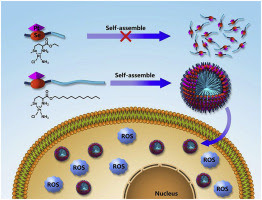
Self-assembly regulated anticancer activity of platinum coordinated selenomethionine

Publication date: March 2018
Source:Biomaterials, Volume 157
Author(s): Tianyu Li, Wentian Xiang, Feng Li, Huaping Xu
It is urgently desired that self-assembly methods can be used to develop smart nanomedicines with adjustable anticancer activity and concise structure. Herein, we design carrier-free small molecule assemblies of platinum coordinated selenomethionine, which exhibit adjustable anticancer activity regulated by their self-assembly behaviors. The small molecule assemblies are prepared by coordination of selenomethionine esters with cisplatin. Their self-assembly behaviors can be tuned by esterification between selenomethionine and alcohols with different alkyl lengths, which results in adjustable anticancer activities. The coordination assemblies exhibit high anticancer activity as well as low side effects. Mechanistic studies indicate that they can consume glutathione (GSH) and therefore induce high level of reactive oxygen species (ROS) in cancer cells, which further lead to cell apoptosis. Our findings provide new strategies and insights in developing small molecule assemblies for cancer treatment.

Graphical abstract

image


http://ift.tt/2ADNhee

Extranodal lymphoma arising within the maxillary alveolus: a systematic review

Abstract

Objectives

Extranodal lymphomas affecting the head and neck infrequently arise within the jaw bones. Although clinical examination and conventional radiography may initially suffice for such lesions arising within the mandible, those arising within the maxillary alveolus generally require cross-sectional imaging because of the complex anatomy of this region. This study was performed to determine the prevalence, demographic characteristics, and clinical presentations of these lesions and the imaging modalities used for their diagnosis.

Study design

A systematic review (SR) on case series and another SR on case reports were performed to investigate the demographic, clinical, and radiological features of extranodal lymphomas arising within the maxillary alveolus.

Results

Most case series were derived from just four nations, whereas the case reports were derived from a wider range of ethnicities. The more detailed case reports significantly reported at least one imaging modality. Most patients were aware of their lesions for nearly 2 months before presentation. The most frequent symptom was swelling. Most case reports included a provisional diagnosis, the most frequent of which was dental infection followed by squamous cell carcinoma.

Discussion

Extranodal lymphomas arising within the maxillary alveolus were sufficiently frequent in four communities to be reported in two or more case series, and the occasional single case report indicated that such lesions are more widespread globally. Although the SR on case series revealed differences in the relative period prevalence and maxillary/mandibular ratio, the SR on case reports revealed details of the clinical presentation and imaging modalities used.


http://ift.tt/2Ap3Duo

An overview of monitoring and reduction strategies for health and climate change related emissions in the Middle East and North Africa region

Publication date: February 2018
Source:Atmospheric Environment, Volume 175
Author(s): Rana Alaa Abbass, Prashant Kumar, Ahmed El-Gendy
This review assesses the current state of air pollution in the Middle East and North Africa (MENA) region. Emission types and sources in the region are identified and quantified to understand the monitoring, legislative and reduction needs through a systematic review of available literature. It is found that both health (e.g., particulate matter, PM; and heavy metals) and climate change (e.g., carbon dioxide and methane) emissions are increasing with the time. Regarding health emissions, over 99% of the MENA population is exposed to PM levels that exceed the standards set by the World Health Organization (WHO). The dominant source of climate change emissions is the energy sector contributing ∼38% of CO2 emissions, followed by the transport sector at ∼25%. Numerous studies have been carried out on air pollution in the region, however, there is a lack of comprehensive regional studies that would provide a holistic assessment. Most countries have air quality monitoring systems in place, however, the data is not effectively evaluated to devise pollution reduction strategies. Moreover, comprehensive emission inventories for the individual countries in the region are also lacking. The legislative and regulatory systems in MENA region follow the standards set by international environmental entities such as the WHO and the U.S. Environmental Protection Agency but their effective reinforcement remains a concern. It is concluded that the opportunities for emission reduction and control could be best implemented in the road transportation sector using innovative technologies. One of the potential ways forward is to channel finance flows from fossil fuel subsidies to upgrade road transport with public transportation systems such as buses and trains, as suggested by a 'high shift' scenario for MENA region. Furthermore, emission control programs and technologies are more effective when sponsored and implemented by the private sector; the success of Saudi Aramco in supporting national emission monitoring is one such example. Finally, an energy-pollution-water nexus is assessed for the region as an integrated approach to address its urban issues. The assessment of topic areas covered clearly suggests a need to control the main sources of air pollution to limit its relatively high impact on the human health in the MENA region.

Graphical abstract

image


http://ift.tt/2iHWBWq

A WRF-Chem model study of the impact of VOCs emission of a huge petro-chemical industrial zone on the summertime ozone in Beijing, China

Publication date: February 2018
Source:Atmospheric Environment, Volume 175
Author(s): Wei Wei, Zhao Feng Lv, Yue Li, Li Tao Wang, Shuiyuan Cheng, Huan Liu
In China, petro-chemical manufacturing plants generally gather in the particular industrial zone defined as PIZ in some cities, and distinctly influence the air quality of these cities for their massive VOCs emissions. This study aims to quantify the local and regional impacts of PIZ VOCs emission and its relevant reduction policy on the surface ozone based on WRF-Chem model, through the case study of Beijing. Firstly, the model simulation under the actual precursors' emissions over Beijing region for July 2010 is conducted and evaluated, which meteorological and chemical predictions both within the thresholds for satisfactory model performance. Then, according to simulated H2O2/HNO3 ratio, the nature of photochemical ozone formation over Beijing is decided, the VOCs-sensitive regime over the urban areas, NOx-sensitive regime over the northern and western rural areas, and both VOCs and NOx-mixed sensitive regime over the southern and eastern rural areas. Finally, a 30% VOCs reduction scenario (RS) and a 100% VOCs reduction scenario (ZS) for Beijing PIZ are additional simulated by WRF-Chem. The sensitivity simulations imply that the current 30% reduction policy would bring about an O3 increase in the southern and western areas (by +4.7 ppb at PIZ site and +2.1 ppb at LLH station), and an O3 decrease in the urban center (by −1.7 ppb at GY station and −2.5 ppb at DS station) and in the northern and eastern areas (by −1.2 ppb at MYX station), mainly through interfering with the circulation of atmospheric HOx radicals. While the contribution of the total VOCs emission of PIZ to ozone is greatly prominent in the PIZ and its surrounding areas along south-north direction (12.7% at PIZ site on average), but slight in the other areas of Beijing (<3% in other four stations on average).

Graphical abstract

image


http://ift.tt/2iHWI4i

Air quality and pollutant emissions in the Moscow megacity in 2005–2014

S13522310.gif

Publication date: February 2018
Source:Atmospheric Environment, Volume 175
Author(s): Nikolai F. Elansky, Nikolai A. Ponomarev, Yaroslav M. Verevkin


http://ift.tt/2iHWl9U

Injectable in situ forming gel based on lyotropic liquid crystal for persistent postoperative analgesia

Publication date: Available online 8 December 2017
Source:Acta Biomaterialia
Author(s): Liling Mei, Yecheng Xie, Ying Huang, Bei Wang, Jintian Chen, Guilan Quan, Xin Pan, Hu Liu, Lili Wang, Xianguo Liu, Chuanbin Wu
Local anesthetics have been widely used for postoperative analgesia. However, multiple injections or local infiltration is required due to the short half-lives of local anesthetics after single injection, which results in poor compliance and increasing medical expense. In this study, an in situ forming gel (ISFG) based on lyotropic liquid crystal was developed to deliver bupivacaine hydrochloride (BUP) for long-acting postoperative analgesia. BUP-ISFG was designed to be administrated as a precursor solution which would spontaneously transform into gel with well-defined internal nanostructures for sustained drug release at the site of administration when exposed to physiological fluid. A lamellar-hexagonal-cubic phase transition occurred during the in situ gelation. The lamellar phase of the precursor solution endows it with low viscosity for good syringeability while the unique nanostructures of hexagonal and cubic phases of the in situ gel provide sustained drug release. Persistent analgesia effect in vivo was achieved with BUP-ISFG, and the plasma BUP concentration was found to be steadier compared to commercially available BUP for injection. In addition, the ISFG displayed acceptable biocompatibility and good biodegradability. The findings are positive about ISFG as a sustained release system for persistent postoperative analgesia.Statement of SignificanceTo address the issue of insufficient postoperative analgesia associated with short half-lives of local anesthetics after single injection, an in situ forming gel (ISFG) based on lyotropic liquid crystal was developed to deliver bupivacaine hydrochloride (BUP) for postoperative analgesia over three days. The results demonstrated that persistent analgesia effect in vivo was achieved with single injection of BUP-ISFG, and the plasma BUP concentration was found to be steadier compared to commercially available BUP injection.The BUP-ISFG possessed a lamellar-hexagonal-cubic phase transition with corresponding crystal change in 3D nanostructure during the in situ gelation. The relationship between crystal nanostructure and carrier function, might provide some insights to the design and clinical applications of the drug delivery systems based on lyotropic liquid crystal.

Graphical abstract

image


http://ift.tt/2BWJOaU

Detection and Characterization of Molecular-Level Collagen Damage in Overstretched Cerebral Arteries

Publication date: Available online 8 December 2017
Source:Acta Biomaterialia
Author(s): Matthew I. Converse, Raymond G. Walther, Justin T. Ingram, Yang Li, S. Michael Yu, Kenneth L. Monson
It is well established that overstretch of arteries alters their mechanics and compromises their function. However, the underlying structural mechanisms behind these changes are poorly understood. Utilizing a recently developed collagen hybridizing peptide (CHP), we demonstrate that a single mechanical overstretch of an artery produces molecular-level unfolding of collagen. In addition, imaging and quantification of CHP binding revealed that overstretch produces damage (unfolding) among fibers aligned with the direction of loading, that damage increases with overstretch severity, and that the onset of this damage is closely associated with tissue yielding. These findings held true for both axial and circumferential loading directions. Our results are the first to identify stretch-induced molecular damage to collagen in blood vessels. Furthermore, our approach is advantageous over existing methods of collagen damage detection as it is non-destructive, readily visualized, and objectively quantified. This work opens the door to revealing additional structure-function relationships in arteries. We anticipate that this approach can be used to better understand arterial damage in clinically relevant settings such as angioplasty and vascular trauma. Furthermore, CHP can be a tool for the development of microstructurally-based constitutive models and experimentally validated computational models of arterial damage and damage propagation across physical scales.Statement of SignificanceArteries play a critical role by carrying oxygen and essential nutrients throughout the body. However, trauma to the head and neck, as well as surgical interventions, can overstretch arteries and alter their mechanics. In order to better understand the cause of these changes, we employ a novel collagen hybridizing peptide (CHP) to study collagen damage in overstretched arteries. Our approach is unique in that we go beyond the fiber- and fibril-level and characterize molecular-level disruption. In addition, we image and quantify fluorescently-labeled CHP to reveal a new structure-property relationship in arterial damage. We anticipate that our approach can be used to better understand arterial damage in clinically relevant settings such as angioplasty and vascular trauma.

Graphical abstract

image


http://ift.tt/2BYa8Bo

Decellularised conjunctiva for ocular surface reconstruction

Publication date: Available online 8 December 2017
Source:Acta Biomaterialia
Author(s): Joana Witt, Sonja Mertsch, Maria Borrelli, Jana Dietrich, Gerd Geerling, Stefan Schrader, Kristina Spaniol
Conjunctival reconstruction is an integral component of ocular surface restoration. Decellularised tissues are frequently used clinically for tissue engineering. This study identifies porcine decellularised conjunctiva (PDC) and human decellularised conjunctiva (HDC) as promising substitutes for conjunctival reconstruction. PDC and HDC were nearly DNA-free, structurally intact and showed no cytotoxic effects in vitro, which was confirmed by DNA quantification, histology, transmission electron microscopy, collagen quantification and cytotoxicity assay. Comparing the biomechanical properties to amniotic membrane (AM), the most frequently applied matrix for ocular surface reconstruction today, the decellularised conjunctiva was more extensible and elastic but exhibited less tensile strength. The in vivo application in a rabbit model proofed significantly enhanced transplant stability and less suture losses comparing PDC and HDC to AM while none of the matrices induced considerable inflammation. Ten days after implantation, all PDC, 4 of 6 HDC but none of the AM transplants were completely integrated into the recipient conjunctiva with a partially multi-layered epithelium. Altogether, decellularised conjunctivas of porcine and human origin were superior to AM for conjunctival reconstruction after xenogeneic application in vivo.Statement of SignificanceConjunctival integrity is essential for a healthy ocular surface and clear vision. Its reconstruction is required in case of immunological diseases, after trauma, chemical or thermal burns or surgery involving the conjunctiva. Due to limitations of currently used substitute tissues such as amniotic membrane, there is a need for the development of new matrices for conjunctival reconstruction. Decellularised tissues are frequently applied clinically for tissue engineering. The present study identifies porcine and human decellularised conjunctiva as biocompatible and well tolerated scaffolds with superior integration into the recipient conjunctiva compared to amniotic membrane. Decellularised conjunctiva depicts a promising substitute for conjunctival reconstruction in ophthalmology.

Graphical abstract

image


http://ift.tt/2BX4cc8

Intracavitary Contrast-Enhanced Ultrasound in the Management of Post-Surgical Gastrointestinal Fistulas

alertIcon.gif

Publication date: Available online 8 December 2017
Source:Ultrasound in Medicine & Biology
Author(s): Er-Jiao Xu, Man Zhang, Kai Li, Zhong-Zhen Su, Ying-Lin Long, Qing-Jin Zeng, Huan-Yi Guo, Rong-Qin Zheng
The goal of this study was to investigate intracavitary contrast-enhanced ultrasound (IC-CEUS) measures in the management of post-surgical gastrointestinal (GI) fistula throughout detection, treatment and follow-up. From June 2010 to August 2016, patients who were administered ultrasound contrast agent (UCA) via a drainage tube for IC-CEUS were enrolled and retrospectively analyzed. They were suspected of having GI anastomotic fistulas or had been found to have fluid collections with ultrasound that were accompanied by abdominal pain or fever after surgical procedures. Forty-two patients met the inclusion criteria and were enrolled into this study. Twenty-two were confirmed to have GI fistulas confirmed by standard references. None were detected by conventional ultrasound. Although IC-CEUS successfully detected GI fistulas in 16 patients, it missed GI fistulas in 6 patients. One patient was misdiagnosed with a GI fistula. The sensitivity, specificity, positive predictive value, negative predictive value and accuracy of the diagnosis of GI fistulas by IC-CEUS were 72.7% (16/22), 95.0% (19/20), 94.1% (16/17), 76.0% (19/25) and 83.3% (35/42), respectively. Twenty peritoneal fluid collections in 14 patients were related to fistulas by IC-CEUS based on the distribution of ultrasound contrast agents. Additional drainage was performed in 14 fistula-related fluid collections. Eight GI fistulas were judged to be cured after IC-CEUS re-evaluation, and the drainage tubes were removed from these patients. In conclusion, IC-CEUS can greatly improve the ability to diagnose post-surgical GI fistulas and may also play an important role in interventional treatment and follow-up.


http://ift.tt/2jwtm9L

Stabilization of heavy metals in fly ashes from municipal solid waste incineration via wet milling

Publication date: 15 March 2018
Source:Fuel, Volume 216
Author(s): WenXia Wang, Xiangpeng Gao, Tinghao Li, Shan Cheng, Huaizhou Yang, Yu Qiao
This study reports the stabilization of toxic heavy metals in fly ashes from incineration of municipal solid waste (MSW) in a grate furnace incinerator (GFI) and a fluidized bed incinerator (FBI) using wet milling without water-extraction pretreatment. After wet milling for 24 h, the relative leaching rates (RLRs) were decreased for all the studied heavy metals (Cr, Cu, Zn, Cd and Pb) and met the regulatory leaching concentrations as determined by Toxicity Characteristic Leaching Procedure (TCLP). For the GFI fly ash, the RLRs of Cr, Cu, Zn and Pb decreased from 11.00%, 4.27%, 5.12%, and 72.64% to 0.81%, 0.08%, 0.33%, and 1.12%, respectively. The decreased rate of RLRs for all four heavy metals had exceeded 90%. For the FBI fly ash, the RLRs of Cr, Cu, Zn, Cd and Pb decreased from 6.81%, 0.09%, 1.99%, 8.92%, and 0.10% to 1.51%, 0.05%, 1.14%, 3.05% and 0.02%, respectively. European Community Bureau of Reference (BCR) sequential extraction results demonstrate that, for the GFI fly ash, wet milling led to decreases in the water- and acid-soluble and reducible fractions, but an increase in the more stable residual fraction. For the FBI fly ash, except for Cu, the residual fraction increased while the water- and acid-soluble fraction largely decreased after wet milling.


http://ift.tt/2ka208V

Effect of Dy3+ substitution on structural and magnetic properties of nanocrystalline Ni-Cu-Zn ferrites

Publication date: 1 April 2018
Source:Journal of Magnetism and Magnetic Materials, Volume 451
Author(s): S.M. Kabbur, U.R. Ghodake, D.Y. Nadargi, Rahul C. Kambale, S.S. Suryavanshi
Nanocrystalline Ni0.25Cu0.30Zn0.45DyxFe2−xO4 (x = 0.0, 0.025, 0.05, 0.075, 0.1 and 0.125 mol) ferrimagnetic oxides have been synthesized by sol-gel autocombustion route. X-ray diffraction study reveals the formation of spinel cubic structure with an expansion of the unit cell by Dy addition. Bertaut method was employed to propose the site occupancy i.e. cation distribution for elements at A-tetrahedral and B-octahedral sites of spinel lattice. The intrinsic vibrational absorption bands i.e. υ1 (712–719 cm−1) and υ2 (496–506 cm−1) are observed for tetrahedral and octahedral sites respectively. The microstructural aspect confirms the formation of an average grain size (∼7–99 nm) with presence of expected elements. Magnetization studies reveal that the magnetic moments are no longer linear but exhibit canting effect due to spin frustration. The frequency dispersion spectrum of initial permeability has been explained based on grain size, saturation magnetization and anisotropy constant. Thermal hysteresis curve (initial permeability versus temperature) indicates magnetic disordering to paramagnetic state at Néel temperature (TN). High values of TN show that the present ferrite samples are cation-ordered with d-electrons contributing towards the magnetic interaction at the sublattice.


http://ift.tt/2BXYUNq

Study on electrical structure and magneto-optical properties of W-doped ZnO

Publication date: 1 April 2018
Source:Journal of Magnetism and Magnetic Materials, Volume 451
Author(s): Yong Li, Qingyu Hou, Chunwang Zhao, Zhenchao Xu
For W-doping amounts ranging from 0.0417 to 0.0833, experimental UV–visible absorption spectra blue shift and red shift results have been reported in the literatures. However, there is few literature reported research on magnetic mechanism. To solve this problem, this study investigates the disagreement about blue shift and red shift results and research on magnetic mechanism. The band structures, density of states, absorption spectra and magnetism have been investigated using first-principles planewave ultrasoft pseudopotential method based on the density functional theory. The calculated results showed that increased W-doping amounts first increase the volumes, and then reduce the volumes, decrease the formation energies, and stabilize the doped system. The band gaps become narrower and the absorption spectrum exhibits a significant red shift in UV and visible light emission. Moreover, the covalent bond vertical to c-axis strengthens, and the ionic bond parallel to c-axis weakens. Increased W-doping amounts decrease the magnetism of doped system. The magnetism of doped system originates from the electron exchange among W-5d, O-2p and Zn-3d orbitals of the W-doped ZnO. In W double-doped system, the ferromagnetic Curie temperature can be above room temperature when the doped system has a longer W-W distance.


http://ift.tt/2ka1XKh

Electronic structure, magnetic properties and martensitic transformation in all-d-metal Heusler alloys Zn2YMn (Y = Fe, Co, Ni, Cu)

Publication date: 1 April 2018
Source:Journal of Magnetism and Magnetic Materials, Volume 451
Author(s): Zhaoning Ni, Yuexing Ma, Xiaotong Liu, Hongzhi Luo, Heyan Liu, Fanbin Meng
The site preference, electronic structure, magnetic properties and martensitic transformation of all-d-metal Heusler alloys Zn2YMn (Y = Fe, Co, Ni, Cu) have been investigated by first-principles calculations. In these alloys L21 structure is found to be more stable compared with XA, in which two Zn atoms prefer occupying the equilibrium A, C sites in the lattice. The total spin moments of Zn2YMn are all larger than 3μB and mainly come from the contribution of Mn. The contributions from Zn atoms are small for its low-lying d states, which do not hybridize with the d states of other atoms directly. Further calculation reveals that the tetragonal martensitic type Zn2YMn (Y = Fe, Co, Ni) can relax the total energy and are more stable than the cubic phase. The energy difference ΔEM between the cubic austenite and tetragonal martensite is as high as 0.31 eV in Zn2FeMn and decreases as Y atom varies from Fe to Ni. In martensitic type Zn2FeMn and Zn2CoMn, a quite large c/a ratio is observed, which is preferable for transformation strain effect.


http://ift.tt/2BZLpgb

Effect of dose and timing of prostaglandin F2α treatments during a Resynch protocol on luteal regression and fertility to timed artificial insemination in lactating Holstein cows

S00220302.gif

Publication date: Available online 8 December 2017
Source:Journal of Dairy Science
Author(s): R.V. Barletta, P.D. Carvalho, V.G. Santos, L.F. Melo, C.E. Consentini, A.S. Netto, P.M. Fricke
Our objective was to evaluate the effect of a second PGF2α treatment (25 mg of dinoprost) or a double dose of PGF2α (50 mg of dinoprost) during a Resynch protocol on luteal regression and pregnancies per artificial insemination (P/AI) in lactating dairy cows. Lactating Holstein cows (n = 1,100) were randomly assigned at a nonpregnancy diagnosis to receive (1) Ovsynch (control: 100 µg of GnRH; 7 d, 25 mg of PGF2α; 56 h, 100 µg of GnRH), (2) Ovsynch with a second PGF2α treatment (GPPG: 100 µg of GnRH; 7 d, 25 mg of PGF2α; 24 h, 25 mg of PGF2α; 32 h, 100 µg of GnRH), or (3) Ovsynch with a double dose of PGF2α (GDDP: 100 µg of GnRH; 7 d, 50 mg of PGF2α; 56 h, 100 µg of GnRH). All cows received timed artificial insemination (TAI) approximately 16 h after the second GnRH treatment (G2). Pregnancy diagnosis was performed by transrectal palpation 39 ± 3 d after TAI, and pregnancy status was reconfirmed 66 d after TAI. Blood samples collected from a subset of cows in each treatment at the first PGF2α treatment (n = 394) and at G2 (n = 367) were assayed for progesterone (P4). Data were analyzed by logistic regression using the GLIMMIX procedure of SAS (SAS Institute Inc., Cary, NC). At 39 d after TAI, GPPG cows tended to have more P/AI than control cows [35% (137/387) vs. 31% (107/349)], whereas P/AI for GDDP cows [32% (118/364)] did not differ from that for control cows. Pregnancy loss from 38 to 66 d did not differ among treatments and was 8% (30/362). The percentage of cows with complete luteal regression (P4 <0.4 ng/mL at G2) tended to differ among treatments and was greater for GPPG cows than for GDDP and control cows (94% vs. 88% vs. 88%, respectively). Overall, cows with P4 <1 ng/mL at the first PGF2α treatment had fewer P/AI than cows with P4 ≥1 ng/mL (27% vs. 38%), whereas cows with P4 ≥0.4 ng/mL at G2 had fewer P/AI than cows with P4 <0.4 ng/mL (15% vs. 38%). We conclude that adding a second PGF2α treatment 24 h after the first within a Resynch protocol tended to increase the proportion of cows undergoing complete luteal regression and P/AI, whereas treatment with a double dose of PGF2α at a single time did not.


http://ift.tt/2A2sVdx

Dairy cow preference for different types of outdoor access

S00220302.gif

Publication date: Available online 8 December 2017
Source:Journal of Dairy Science
Author(s): Anne-Marieke C. Smid, Daniel M. Weary, Joao H.C. Costa, Marina A.G. von Keyserlingk
Dairy cows display a partial preference for being outside, but little is known about what aspects of the outdoor environment are important to cows. The primary aim of this study was to test the preference of lactating dairy cattle for pasture versus an outdoor sand pack during the night. A secondary aim was to determine whether feeding and perching behavior changed when cows were provided outdoor access. A third objective was to investigate how the lying behavior of cows changed when given access to different outdoor areas. Ninety-six lactating pregnant cows were assigned to 8 groups of 12 animals each. After a baseline phase of 2 d in which cows were kept inside the freestall barn, cows were habituated to the outdoor areas by providing them access to each of the 2 options for 24 h. Cows were then given access, in random order by group, to either the pasture (pasture phase) or the sand pack (sand phase). As we tested the 2 outdoor options using space allowances consistent with what would be practical on commercial dairy farms, the space provided on pasture was larger (21,000 m2) than that provided on the sand pack (144 m2). Cows were tested at night (for 2 nights in each condition), from 2000 h until morning milking at approximately 0800 h, as preference to be outdoors is strongest at this time. During the next 3 nights cows were given access to both outside options simultaneously (choice phase). Feeding and perching behaviors were recorded when cows were indoors during the day and night periods. Lying behavior was automatically recorded by HOBO data loggers (Onset, Bourne, MA). Cows spent more time outside in the pasture phase (90.0 ± 5.9%) compared with the sand phase (44.4 ± 6.3%). When provided simultaneous access to both options, cows spent more time on pasture than on the sand pack (90.5 ± 2.6% vs. 0.8 ± 0.5%, respectively). Time spent feeding indoors during the day did not change regardless of what type of outdoor access was provided, but there was a decline in perching during the day when cows were provided access to either outdoor option at night. Lying time in the pasture phase was lower than in the baseline or sand phase. During the nighttime, lying time outside was not different between the sand (55.4 ± 7.9%) and pasture (52.0 ± 7.4%) phases. In summary, cows spent a considerable amount of time outside during the night when given the opportunity and showed a preference for a large pasture versus a small sand pack as an outdoor area.


http://ift.tt/2Bj8ldn

A survey of selected animal-based measures of dairy cattle welfare in the Eastern Alps: Toward context-based thresholds

S00220302.gif

Publication date: Available online 8 December 2017
Source:Journal of Dairy Science
Author(s): A. Zuliani, M. Mair, M. Kraševec, I. Lora, M. Brscic, G. Cozzi, C. Leeb, M. Zupan, C. Winckler, S. Bovolenta
In the Alps, traditional dairy farms are small-scale operations where vertical transhumance from valley indoor housing systems to highland pasture-based systems is still practiced in summer. Vertical transhumance implies a substantial change of environment, available resources, and management practices from one season to another. In such systems, animal-based welfare measures need to be monitored throughout the year to capture the variation of welfare outcomes, based on which targeted welfare management plans can be implemented. Because the Welfare Quality assessment approach has been tailored to indoor housing and intensive farming systems, the European Food Safety Authority recently developed a welfare assessment protocol for small-scale dairy cattle farms adapted after the Welfare Quality framework. The aim of this study was to assess nonbehavioral animal-based measures as defined by this protocol at different time points for transhumant systems in the Alps. In total, 18 animal-based measures were assessed before, during, and after the mountain pasture period in a sample of 67 small-scale dairy cattle farms practicing vertical transhumance in neighboring provinces of Austria, Italy, and Slovenia. Significant differences between assessments were identified for dirtiness of legs and teats, hairless patches, lesions and swellings, claw condition, ocular discharge, and diarrhea whereas BCS, lameness/severe lameness, vulvar discharge, nasal discharge, and hampered respiration were unchanged between seasons. In addition, a benchmarking exercise was carried out to identify relative boundaries (worst quartile thresholds) for each animal-based measure and to contribute to the discussion about achievable welfare outcomes for the 2 husbandry conditions that characterize a transhumant system. Worst quartile thresholds indicated a high prevalence of dirtiness (>80%) when cows were kept indoors, high prevalence of hairless patches (65%) before pasture turnout, and high prevalence of very lean cows (>13%) throughout the assessments. On the other hand, the best quartile thresholds for most clinical conditions suggested that high welfare standards (zero prevalence) are widely achievable in mountain farms practicing vertical transhumance during all assessments. The thresholds identified through benchmarking should serve as the basis for an effective context-based welfare management strategy promoting continuous welfare improvement on-farm.


http://ift.tt/2A6xJik

Effect of different forage types on the volatile and sensory properties of bovine milk

S00220302.gif

Publication date: Available online 8 December 2017
Source:Journal of Dairy Science
Author(s): Hope Faulkner, Tom F. O'Callaghan, Stephen McAuliffe, Deirdre Hennessy, Catherine Stanton, Maurice G. O'Sullivan, Joseph P. Kerry, Kieran N. Kilcawley
The effect of 3 diets (grass, grass/clover, and total mixed ration) on the volatile and sensory properties of bovine milk was assessed over an entire lactation season. Little evidence was found of direct transfer of terpenes into raw milk from the different diets, and it is likely that the monocultures of ryegrass used with and without white clover were factors as these contained very few terpenes. Evidence of direct transfer of nonterpene volatiles from forage to the subsequent raw milks was probable; however, differences in the protein carbohydrate availability and digestion in the rumen appeared to have a greater contribution to volatile profiles. Pasteurization significantly altered the volatile profiles of all milks. A direct link between the milk fatty acid content, forage, and volatile products of lipid oxidation was also evident and differences in fatty acid content of milk due to forage may also have influenced the viscosity perception of milk. Irish sensory assessors preferred pasteurized milk produced from grass-fed cows, with least preference from milk produced from total mixed ration diets. β-Carotene content was significantly higher in milks derived from grass or grass/clover and appears to have directly influenced color perception. Toluene and p-cresol are both degradation products of β-carotene and along with β-carotene were identified as potential biomarkers for milk derived from pasture. The only correlation that appeared to influence the flavor of milk as determined using ranked descriptive analysis was p-cresol. P-Cresol appears to be responsible for the barnyard aroma of milk and is also likely derived from the deamination and decarboxylation of tryptophan and tyrosine due to the higher levels of available protein in the grass and grass/clover diets. The highest levels of p-cresol were in the grass/clover diets and are likely due to the degradation of the isoflavone formononetin in the rumen, which is present in white clover swards.


http://ift.tt/2BhDKgm

Short communication: Variability in milk urea nitrogen and dairy total mixed ration composition in the northeastern United States

S00220302.gif

Publication date: Available online 8 December 2017
Source:Journal of Dairy Science
Author(s): A.N. Hristov, M. Harper, J. Oh, F. Giallongo, J.C. Lopes, G. Cudoc, J. Clay, R. Ward, L.E. Chase
The main objective of this survey was to examine variability in milk urea nitrogen (MUN) for Dairy Herd Improvement Association (DHIA) herds in the northeastern United States (the Northeast), examine trends in dairy cow diet composition, and determine potential relationships for MUN and diet composition. Trends in milk fat and protein concentrations, milk yield, days in milk on test day, and lactation number of the cows were also evaluated. The data set for the survey included 10,839,461 DHIA dairy cow records from 2004 to 2015 for 13 states (CT, DE, MA, MD, ME, NH, NJ, NY, PA, RI, VA, VT, and WV) and was retrieved from Dairy Records Management Systems (Raleigh, NC). Average (across states and years) milk yield, milk fat, and milk protein were 31.6 ± 0.24 kg/d, 3.85 ± 0.021%, and 3.13 ± 0.013%, respectively. No obvious trends were observed for milk fat or protein content, but milk yield steadily increased during the survey period. Milk urea N concentration averaged 13.3 ± 0.13 mg/dL, with no obvious or consistent trends. Examination of variability in dairy feed cost and all milk price for the Northeast indicated that high MUN generally coincided with high feed cost and high milk price. For the diet composition survey, 9,707 records of total mixed ration (TMR) analyses, unrelated to the milk composition data set, from the Cumberland Valley Analytical Service (Maugansville, MD) database were examined. Concentration of TMR crude protein (CP) decreased from 17.1% in 2007 to 16.4% in 2015, but there was not an obvious trend in soluble protein concentration. Concentration of TMR neutral detergent fiber (NDF) and 24-h in vitro NDF degradability declined steadily during the survey period and was accompanied by a steady increase in TMR starch concentration. Examination of these unrelated data sets revealed lack of correlation between MUN and diet chemical composition. Thus, we conclude that individual cow MUN in Northeast dairy herds fluctuated between 2004 and 2015. It appeared that MUN followed variability in feed cost; however, ration feed ingredient data were not available to better define the reasons for the variations in MUN.


http://ift.tt/2A5JzsN

Quantifying fecal shedding of Mycobacterium avium ssp. paratuberculosis from calves after experimental infection and exposure

S00220302.gif

Publication date: Available online 8 December 2017
Source:Journal of Dairy Science
Author(s): Caroline S. Corbett, Herman W. Barkema, Jeroen De Buck
Johne's disease, a chronic enteritis caused by Mycobacterium avium ssp. paratuberculosis (MAP), causes large economic losses to the dairy industry worldwide. Fecal shedding of MAP contaminates the environment, feed, and water and contributes to new infections on farm, yet there is limited knowledge regarding mechanisms of shedding, extent of intermittent shedding, and numbers of MAP bacteria shed. The objectives were to (1) compare (in an experimental setting) the frequency at which intermittent shedding occurred and the quantity of MAP shed among pen mates that were inoculated or contact-exposed (CE); and (2) determine whether an association existed between inoculation dose and quantity of MAP shed. In the first experiment, 32 newborn Holstein-Friesian bull calves were allocated to pens in groups of 4, whereby 2 calves were inoculated with a moderate dose (MD; 5 × 10⁸ cfu) of MAP and 2 calves acted as CE. Calves were group-housed for 3 mo, fecal samples were collected and cultured, and culture-positive samples were quantified. In the second experiment, 6 calves were inoculated with either a low (LD) or high (HD) dose of MAP (1 × 10⁸ or 1 × 10¹⁰ cfu, respectively), and fecal samples were collected for 3 mo and cultured for detection of MAP. The amount of MAP was quantified using direct extraction (DE) of DNA from fecal samples and F57-specific quantitative PCR. In experiment 1, the average amount of MAP in all culture-positive samples did not differ between MD and CE calves. In experiment 2, when comparing inoculation doses, LD calves had the lowest proportion of MAP-positive culture samples and HD had the highest, but no difference was detected in the average quantity of MAP shed. This study provided new information in regards to Johne's disease research and control regarding shedding from various inoculation doses and from CE animals; these data should inform future trials and control programs.


http://ift.tt/2Bh5S2R

Plant oil supplements reduce methane emissions and improve milk fatty acid composition in dairy cows fed grass silage-based diets without affecting milk yield

Publication date: Available online 8 December 2017
Source:Journal of Dairy Science
Author(s): A.R. Bayat, I. Tapio, J. Vilkki, K.J. Shingfield, H. Leskinen
Four lipid supplements varying in chain length or degree of unsaturation were examined for their effects on milk yield and composition, ruminal CH4 emissions, rumen fermentation, nutrient utilization, and microbial ecology in lactating dairy cows. Five Nordic Red cows fitted with rumen cannulas were used in a 5 × 5 Latin square with five 28-d periods. Treatments comprised total mixed rations based on grass silage with a forage-to-concentrate ratio of 60:40 supplemented with no lipid (CO) or 50 g/kg of diet dry matter (DM) of myristic acid (MA), rapeseed oil (RO), safflower oil (SO), or linseed oil (LO). Feeding MA resulted in the lowest DM intake, and feeding RO reduced DM intake compared with CO. Feeding MA reduced the yields of milk, milk constituents, and energy-corrected milk. Plant oils did not influence yields of milk and milk constituents, but reduced milk protein content compared with CO. Treatments had no effect on rumen fermentation characteristics, other than an increase in ammonia-N concentration due to feeding MA, RO, and SO compared with CO. Lipid supplements reduced daily ruminal CH4 emission; however, the response was to some extent a result of lower feed intake. Lipids modified microbial community structure without affecting total counts of bacteria, archaea, and ciliate protozoa. Dietary treatments had no effect on the apparent total tract digestibility of organic matter, fiber, and gross energy. Treatments did not affect either energy secreted in milk as a proportion of energy intake or efficiency of dietary N utilization. All lipids lowered de novo fatty acid synthesis in the mammary gland. Plant oils increased proportions of milk fat 18:0, cis 18:1, trans and monounsaturated fatty acids, and decreased saturated fatty acids compared with CO and MA. Both SO and LO increased the proportion of total polyunsaturated fatty acids, total conjugated linolenic acid, and cis-9,trans-11 conjugated linoleic acid. Feeding MA clearly increased the Δ9 desaturation of fatty acids. Our results provide compelling evidence that plant oils supplemented to a grass silage-based diet reduce ruminal CH4 emission and milk saturated fatty acids, and increase the proportion of unsaturated fatty acids and total conjugated linoleic acid while not interfering with digestibility, rumen fermentation, rumen microbial quantities, or milk production.


http://ift.tt/2A5J6a1

Utilization of protein in red clover and alfalfa silages by lactating dairy cows and growing lambs

S00220302.gif

Publication date: Available online 8 December 2017
Source:Journal of Dairy Science
Author(s): Glen A. Broderick
Feeding trials were conducted with lactating cows and growing lambs to quantify effects of replacing dietary alfalfa silage (AS) with red clover silage (RCS) on nutrient utilization. The lactation trial had a 2 × 4 arrangement of treatments: AS or RCS fed with no supplement, rumen-protected Met (RPM), rumen-protected Lys (RPL), or RPM plus RPL. Grass silage was fed at 13% of dry matter (DM) with AS to equalize dietary neutral detergent fiber (NDF) and crude protein contents. All diets contained (DM basis) 5% corn silage and 16% crude protein. Thirty-two multiparous (4 ruminally cannulated) plus 16 primiparous Holstein cows were blocked by parity and days in milk and fed diets as total mixed rations in an incomplete 8 × 8 Latin square trial with four 28-d periods. Production data (over the last 14 d of each period) and digestibility and excretion data (at the end of each period) were analyzed using the MIXED procedure of SAS (SAS Institute Inc., Cary, NC). Although DM intake was 1.2 kg/d greater on AS than RCS, milk yield and body weight gain were not different. However, yields of fat and energy-corrected milk as well as milk content of fat, true protein, and solids-not-fat were greater on AS. Relative to AS, feeding RCS increased milk and energy-corrected milk yield per unit of DM intake, milk lactose content, and apparent N efficiency and reduced milk urea. Relative to AS, apparent digestibility of DM, organic matter, NDF, and acid detergent fiber were greater on RCS, whereas apparent and estimated true N digestibility were lower. Urinary N excretion and ruminal concentrations of ammonia, total AA, and branched-chain volatile fatty acids were reduced on RCS, indicating reduced ruminal protein degradation. Supplementation of RPM increased intake, milk true protein, and solids-not-fat content and tended to increase milk fat content. There were no silage × RPM interactions, suggesting that RPM was equally limiting on both AS and RCS. Supplementation of RPL did not influence any production trait; however, a significant silage × RPL interaction was detected for intake: RPL reduced intake of AS diets but increased intake of RCS diets. Duplicated metabolism trials were conducted with lambs confined to metabolism crates and fed only silage. After adaptation, collections of silage refusals and excreta were made during ad libitum feeding followed by feeding DM restricted to 2% of body weight. Intake of DM was not different when silages were fed ad libitum. Apparent digestibility of DM, organic matter, NDF, and hemicellulose was greater in lambs fed RCS on both ad libitum and restricted intake; however, acid detergent fiber digestibility was only greater at restricted intake. Apparent and estimated true N digestibility was substantially lower, and N retention was reduced, on RCS. Results confirmed greater DM and fiber digestibility in ruminants and N efficiency in cows fed RCS. Specific loss of Lys bioavailability on RCS was not observed. Based on milk composition, Met was the first-limiting AA on both silages; however, Met was not limiting based on production and nutrient efficiency. Depressed true N digestibility suggested impaired intestinal digestibility of rumen-undegraded protein from RCS.


http://ift.tt/2BhtZyu

Effects of early postpartum sodium salicylate treatment on long-term milk, intake, and blood parameters of dairy cows

S00220302.gif

Publication date: Available online 8 December 2017
Source:Journal of Dairy Science
Author(s): A.J. Carpenter, C.M. Ylioja, L.K. Mamedova, K.E. Olagaray, B.J. Bradford
Previous research has shown that cows who receive treatment with nonsteroidal anti-inflammatory drugs after calving may have increased milk yield beginning near peak lactation, resulting in greater 305-d milk production. It has not been demonstrated whether this response is associated with greater feed intake following the first 3 wk of lactation. Dry matter intake (DMI) and milk yield were measured daily for 56 cows over the first 120 d in milk. Cows in their second parity and greater were blocked by parity and alternately enrolled 12 to 36 h after calving into 1 of 2 treatments: either 3 daily drenches of water or 3 daily drenches of a similar volume of water containing 125 g of sodium salicylate (SAL) beginning 12 to 36 h after calving. Cows were housed in individual stalls to monitor DMI. Blood samples were collected before calving and on the last day of treatment, as well as at 7, 11, 14, 18, 21, 35, 49, 63, 77, 91, 105, and 120 d in milk. The SAL treatment did not affect estimated 305-d milk, fat, or protein yields (from monthly test days), daily milk yield or components, energy-corrected milk, fat-corrected milk, or DMI; however, an interaction between parity and treatment was observed for DMI, where second-parity SAL cows had decreased intake with no differences observed in older cows. This resulted in a parity by treatment interaction for the ratio of energy-corrected milk to DMI. Similarly, no main effects of treatment were observed for plasma glucose, β-hydroxybutyrate (BHB), or fatty acid concentrations, but we noted interactions between treatment and parity for glucose, BHB, and insulin. Older cows had greater plasma glucose and insulin concentrations and decreased plasma BHB following SAL but no differences were observed in second parity animals. Alterations in glucose and insulin resulted in a tendency for a treatment by time interaction for the revised quantitative insulin sensitivity check index. Feeding behavior was also altered following SAL administration, resulting in fewer but longer meals, as well as a tendency for greater meal weight. A tendency for a treatment by week interaction for inter-meal interval was observed, as well as a parity by treatment interaction for meal weight. Despite the lack of a milk yield response, SAL had a prolonged programming effect on feeding behavior and blood variables over the first 120 DIM, with responses largely dependent on parity.


http://ift.tt/2A4lbYq

Early-lactation extended pirlimycin therapy against naturally acquired Staphylococcus aureus intramammary infections in heifers: A randomized controlled trial

alertIcon.gif

Publication date: Available online 8 December 2017
Source:Journal of Dairy Science
Author(s): S. Skoulikas, S. Dufour, D. Haine, J.-Y. Perreault, J.-P. Roy
The primary objective of the current study was to evaluate cure rate following an early-lactation extended intramammary pirlimycin treatment on heifers naturally infected by Staphylococcus aureus. The secondary objective was to assess Petrifilm Staph Express (3M Microbiology, St. Paul, MN) count plate characteristics when used in a protocol for early-lactation detection of infected quarters in heifers. Milk samples were collected from heifers (n = 946) in the first few days following calving (mean = 5 d). Heifers with laboratory-confirmed S. aureus intramammary infection (n = 72) were randomly allocated into 2 groups. The treatment group (n = 54 quarters from 38 heifers) received an intramammary infusion of 50 mg of pirlimycin once per day for 8 consecutive days in infected quarters. The control group (n = 44 quarters from 34 heifers) did not receive any treatment. Treatment success was defined as having negative culture results for S. aureus in all 3 post-treatment quarter milk samples collected on d 17, 24, and 31 post-treatment. Treatment group mammary quarters showed a statistically significant higher cure rate (64.8%) compared with the control group (34.1%). A total of 38% of quarters identified as S. aureus-positive using the Petrifilm Staph Express count plate were in fact identified as non-aureus staphylococci on routine laboratory-based bacteriological culture. The current study demonstrates that a higher cure rate for S. aureus IMI can be achieved in dairy heifers if an extended treatment protocol is put in place soon after calving. Use of Petrifilm Staph Express count plate for identification of S. aureus-infected heifers could lead to unnecessary treatments because of false-positive results.


http://ift.tt/2Bjn9IX

Prepartum application of internal teat sealant or intramammary amoxicillin on dairy heifers: Effect on udder health, survival, and performance

alertIcon.gif

Publication date: Available online 8 December 2017
Source:Journal of Dairy Science
Author(s): V.S. Machado, R.C. Bicalho
Intramammary infusion of antimicrobials (IA) and application of an internal teat sealant (ITS) at the end of the lactation is a common strategy to prevent and treat intramammary infections during the dry period. In heifers, precalving IA has been reported to improve udder health and milk quality; however, the effect of ITS in heifers housed in freestall barns is still unknown. The objective of this study was to investigate the effect of prepartum application of ITS or IA on udder health of dairy heifers. A total of 886 heifers were randomly allocated into 1 of 4 treatment groups when they were 245 ± 3 d pregnant. Control heifers (CON) did not receive any treatment. Heifers in the ITS group received the application of ITS containing 2.6 g of bismuth subnitrate. Animals in the IA group received intramammary administration of 62.5 mg of amoxicillin. Heifers in IA+ITS group received intramammary administration of amoxicillin followed by ITS application. The follow-up period was 270 d in milk (DIM). Clinical mastitis was diagnosed and treated by trained farm personnel throughout the study period. Composite milk somatic cell counts (SCC) were determined monthly for the first 9 mo of lactation by Dairy Herd Improvement Association. Subclinical mastitis was defined as a cow having a SCC >200,000 cells/mL for at least 1 test day and not diagnosed with clinical mastitis during the study period. At 7 ± 3 DIM, composite milk samples were collected for bacteriological analysis for a subset of the study animals. The presence of pathogens in milk at 7 ± 3 DIM was more frequently detected in the CON heifers compared with animals enrolled in the treatment groups. Heifers in IA+ITS group had a decreased incidence of clinical mastitis compared with CON heifers (12.9 vs. 21.4%). Additionally, the incidence of subclinical mastitis was decreased for IA+ITS heifers compared with CON counterparts (20.1 vs. 43.8%). During the first 9 mo of lactation, IA and IA+ITS heifers had lower SCC linear scores compared with ITS and CON counterparts. Although IA+ITS treatment successfully improved udder health, it did not result in better milk yield, fertility, and survivability. In conclusion, ITS alone was not effective in improving udder health; however, the combination of ITS and IA decreased the incidence of clinical and subclinical mastitis during the first 9 mo of lactation. Additionally, IA+ITS had a long-term effect on the SCC linear score throughout the study period.


http://ift.tt/2A4iu9q

A resynchronization of ovulation program based on ovarian structures present at nonpregnancy diagnosis reduced time to pregnancy in lactating dairy cows

alertIcon.gif

Publication date: Available online 8 December 2017
Source:Journal of Dairy Science
Author(s): R. Wijma, M.M. Pérez, M. Masello, M.L. Stangaferro, J.O. Giordano
Our objective was to evaluate time to pregnancy after the first service postpartum and pregnancy per artificial insemination (P/AI) in dairy cows managed with 2 resynchronization of ovulation programs. After first service, lactating Holstein cows were blocked by parity (primiparous vs. multiparous) and randomly assigned to the d 32 Resynch (R32; n = 1,010) or short Resynch (SR; n = 1,000) treatments. Nonpregnancy diagnosis (NPD) was conducted 32 ± 3 d after AI by transrectal ultrasonography. Nonpregnant cows in R32 received the Ovsynch protocol: GnRH, PGF2α 7 d later, GnRH 56 h later, and timed AI (TAI) 16 to 18 h later. Cows in SR with a corpus luteum (CL) ≥15 mm and a follicle ≥10 mm at NPD received PGF2α, PGF2α 24 h later, GnRH 32 h later, and TAI 16 to 18 h later. Cows in SR without a CL ≥15 mm or a follicle ≥10 mm at NPD received a modified Ovsynch protocol with 2 PGF2α treatments and progesterone (P4) supplementation (GnRH plus CIDR, PGF2α and CIDR removal 7 d later, PGF2α 24 h later, GnRH 32 h later, and TAI 16 to 18 h later). Blood samples were collected from a subgroup of cows at the GnRH before TAI (R32 = 114; SR = 121) to measure P4 concentration. Binomial outcomes were analyzed with logistic regression and hazard of pregnancy (R32 = 485; SR = 462) with Cox's proportional regression in SAS (SAS Institute, Cary, NC). For P/AI analysis, the TAI service was the experimental unit (R32 = 720; SR = 819). Models included treatment and parity as fixed effects and farm as random effect. The hazard of pregnancy was greater for the SR treatment (hazard ratio = 1.18; 95% confidence interval: 1.01–1.37). Median time to pregnancy was 95 and 79 d for the R32 and SR treatments, respectively. At NPD, 71.3 and 71.2% of cows had a CL for the R32 and SR treatments, respectively. Treatment did not affect overall P/AI 32 ± 3 d after AI (R32 = 31.0% vs. SR = 33.9%) or for cows with a CL at NPD (R32 = 32.7% vs. SR = 32.8%). For cows with no CL at NPD, P/AI was greater for the SR treatment (36.9%) than for the R32 treatment (28.6%). Pregnancy loss from 32 to 63 d after AI was similar for all services combined (R32 = 8.3% vs. SR = 10.4%) and for cows with no CL at NPD (R32 = 13.2% vs. SR = 7.2%) but tended to be affected by treatment for cows with a CL at NPD (R32 = 6.8% vs. SR = 11.9%). Treatment affected the proportion of cows with P4 ≤0.5 ng/mL at the GnRH before TAI for all cows (R32 = 68.4% vs. SR = 81.8%), tended to have an effect among cows with a CL (R32 = 70.0% vs. SR = 81.8%), and had no effect for cows with no CL (R32 = 64.7% vs. SR = 81.8%). We concluded that the SR program reduced time to pregnancy because of a reduction of the interbreeding interval for cows with a CL at NPD and greater P/AI in cows with no CL at NPD.


http://ift.tt/2Bhz4H0

A clinical and histopathological comparison of the effectiveness of salicylic acid to a compound of inorganic acids for the treatment of digital dermatitis in cattle

S00220302.gif

Publication date: Available online 8 December 2017
Source:Journal of Dairy Science
Author(s): N. Capion, E.K. Larsson, O.L. Nielsen
Bovine digital dermatitis (DD) is a painful infectious disease, causing lameness, reduced animal welfare, and production losses in dairy herds. The main factors contributing to DD are an infection with Treponema spp. and poor hygiene. Topical treatment has primarily consisted of antibiotics; however, the demand for effective nonantibiotic alternatives is increasing. The objective was to evaluate the performance of 3 nonantibiotic topical treatments (salicylic acid and a compound of inorganic acids in a 20% solution and in a dry form) on DD in a commercial dairy herd. Within the 30-d test period, 42 DD lesions on 33 Holstein cows were assigned to receive 1 of the 3 treatments. Lesions were biopsied before and after treatment and were clinically evaluated 5 times. Improved lesions were clinically defined as either healed (regeneration of the skin) or healing (dry lesions covered by a scab). Unhealed lesions were defined as either active [with a raw, moist, strawberry-like (granulating) surface] or mature (with a raised papillomatous appearance). The effectiveness of treatment was evaluated histopathologically using the following scores: 0 (no spirochetes present), 1 (small number of spirochetes present in the epidermis), 2 (moderate number of spirochetes present and reaching an intermediary level in the epidermis), and 3 (large number of spirochetes present and reaching the deepest part of the epidermis or the superficial dermis). The improvement rate was 10/14 (71%) for salicylic acid, 11/15 (73%) for the inorganic acid solution, and 8/13 (62%) for the inorganic acid powder. The analysis showed no difference among treatments. The association between clinical score and histopathological score was determined by an odds ratio. The odds ratio of a healed lesion having spirochetes in the epidermis was 0.58 and that of an active DD lesion having spirochetes in the epidermis was 26.5.


http://ift.tt/2BUJ4TM

Technical note: Validation of the BHBCheck blood β-hydroxybutyrate meter as a diagnostic tool for hyperketonemia in dairy cows

S00220302.gif

Publication date: Available online 8 December 2017
Source:Journal of Dairy Science
Author(s): K.J. Sailer, R.S. Pralle, R.C. Oliveira, S.J. Erb, G.R. Oetzel, H.M. White
Accurate cow-side blood β-hydroxybutyrate (BHB) detection meters are valuable tools for rapid diagnosis of hyperketonemia. The main objective of this study was to compare the blood BHB measured in whole blood by the BHBCheck meter (PortaCheck, Moorestown, NJ) to a previously validated meter, Precision Xtra meter (Abbott Laboratories, Abbott Park, IL) and a colorimetric laboratory assay. Samples (n = 426) were collected from postpartum primiparous and multiparous Holstein cows (n = 79 cows) enrolled in 1 of 2 experiments (Exp) with different sampling schedules (Exp 1: n = 39 cows, 58 samples; Exp 2: n = 40 cows, 368 samples). In both Exp, whole-blood samples were collected from the coccygeal vessels after morning milking, before morning feeding. Blood samples were used immediately for BHB quantification via the BHBCheck meter and the Precision Xtra meter. Blood was also collected into evacuated tubes containing no additive (Exp 1) or potassium oxalate/sodium fluoride (Exp 2), which were centrifuged for serum or plasma separation and stored at −20°C for subsequent analysis. Laboratory quantification of BHB concentration was done by the BHB LiquiColor Assay (EKF Diagnostics-Stanbio, Boerne, TX; certified for serum and plasma). Data were analyzed by UNIVARIATE, CORR, FREQ, REG, and LOGISTIC procedures of SAS 9.4 (SAS Institute Inc., Cary, NC). Within this sample set, average parity was 3.3 lactations and DIM was 14 d. The proportion of samples classified as hyperketonemia (BHB ≥1.2 mmol/L) was 25, 28, and 31% as determined by the colorimetric assay, BHBCheck meter, and Precision Xtra meter, respectively. The correlation for BHBCheck meter BHB concentration compared with the colorimetric assay concentrations was r = 0.96, with a sensitivity of 91% and specificity of 93%. Correlation, sensitivity, and specificity of the Precision Xtra meter concentrations were 0.97, 98%, and 92%, respectively. Bland-Altman plots demonstrated minimal bias for both meters. Area under the receiver operator characteristic curve suggests adequate diagnostic accuracy of both meters. Overall, accuracy, sensitivity, and specificity of the BHBCheck meter was similar to the Precision Xtra meter and laboratory assay, indicating the BHBCheck meter is appropriate for use as a cow-side diagnostic test for hyperketonemia in dairy cows.


http://ift.tt/2kc4QdH

Dairy system, parity, and lactation stage affect enteric methane production, yield, and intensity per kilogram of milk and cheese predicted from gas chromatography fatty acids

S00220302.gif

Publication date: Available online 8 December 2017
Source:Journal of Dairy Science
Author(s): Giovanni Bittante, Alessio Cecchinato, Stefano Schiavon
Ruminants (and milk production) contribute to global climate change through enteric methane emissions (EME), and any attempt to reduce them is complicated by the fact that they are difficult and expensive to measure directly. In the case of dairy cows, a promising indirect method of estimating EME is to use the milk fatty acid profile as a proxy, as a relationship exists between microbial activity in the rumen and the molecules available for milk synthesis in the mammary gland. In the present study, we analyzed the detailed fatty acid profiles (through gas chromatography) of a large number of milk samples from 1,158 Brown Swiss cows reared on 85 farms with the aim of testing in the field 2 equations for estimating EME taken from a published meta-analysis. The average estimated methane yield (CH4 emission per kg of dry matter intake, 21.34 ± 1.60 g/kg) and methane intensity (per kg of corrected milk, 14.17 ± 1.78 g/kg), and the derived methane production (CH4 emissions per day per cow, 357 ± 109 g/d) were similar to those previously published. Using data from model cheese makings from individual cows, we also calculated estimated methane intensity per kilogram of fresh cheese (99.7 ± 16.4 g/kg) and cheese solids (207.5 ± 30.9 g/kg). Dairy system affected all EME estimates. Traditional dairy farms, and modern farms including corn silage in the TMR exhibited greater estimated methane intensities. We found very wide variability in estimated EME traits among different farms within dairy system (0.33 to 0.61 of total variance), suggesting the need to modify the farms' feeding regimens and management practices to mitigate emissions. Among the individual factors, parity order affected all estimated EME traits excepted methane yield, with an increase from first lactation to the following ones. Lactation stage exhibited more favorable estimated EME traits during early lactation, concomitant with the availability of nutrients from body tissue mobilization for mammary synthesis of milk. Our results showed a coherence between the EME traits estimated from the analysis of milk fatty acids and the expectations according to current knowledge. Further research is needed to validate the results obtained in this study in other breeds and populations, to assess the magnitude of the genetic variation and the potential of these phenotypes to be exploited in breeding programs with the aim to mitigate emissions.


http://ift.tt/2BWAd3S

A genome-wide association study for left-sided displacement of the abomasum using a high-density single nucleotide polymorphism array

alertIcon.gif

Publication date: Available online 8 December 2017
Source:Journal of Dairy Science
Author(s): S. Lehner, I. Zerbin, K. Doll, J. Rehage, O. Distl
Left-sided displacement of the abomasum (LDA) is a frequent disease in dairy cattle causing significant financial losses for dairy farmers. Heritability (h2) of this complex disease was estimated at up to 0.5 in German Holstein (GH) cattle. Using the Bovine High Density BeadChip (Illumina Inc., San Diego, CA) comprising 588,753 single nucleotide polymorphisms (SNP) after quality control for 126 LDA cases and 280 population-based controls, we used a mixed linear model analysis in a genome-wide association study (GWAS). We identified 6 genomic regions for LDA on bovine chromosomes 2, 8, 13, 20, 24, and X that were significantly associated with LDA. Each of these regions was covered by 4 to 12 LDA-associated SNP. Single SNP within these regions explained up to 7.3% of the phenotypic variance. An independent sample of 1,554 GH cows, including 539 controls and 1,015 cases, were genotyped for 8 SNP highly associated with LDA on Bos taurus autosomes (BTA) 2, 8, 13, and 24, as well as 6 SNP located in previously identified LDA regions on BTA1, 5, 11, and 27 using competitive allele-specific PCR genotyping technology (KASP). The analysis using the KASP genotypes confirmed LDA-associated loci on BTA2, 8, 13, and 27. These genomic regions may contribute to the susceptibility to LDA in Holstein cows and may harbor functional variants for LDA.


http://ift.tt/2kc4BPP

Genetic parameters for αS1-casein and αS2-casein phosphorylation isoforms in Dutch Holstein Friesian

alertIcon.gif

Publication date: Available online 8 December 2017
Source:Journal of Dairy Science
Author(s): Z.H. Fang, H. Bovenhuis, H.J.F. van Valenberg, P. Martin, T. Huppertz, M.H.P.W. Visker
Relative concentrations of αS1-casein and αS2-casein (αS1-CN and αS2-CN) phosphorylation isoforms vary considerably among milk of individual cows. We estimated heritabilities for αS2-CN phosphorylation isoforms, determined by capillary zone electrophoresis from 1,857 morning milk samples, and genetic correlations among αS2-CN phosphorylation isoforms in Dutch Holstein Friesian. To investigate if phosphorylation of αS1-CN and αS2-CN are due to the same genetic mechanism, we also estimated genetic correlations between αS1-CN and αS2-CN phosphorylation isoforms as well as the genetic correlations between the phosphorylation degrees (PD) of αS1-CN and αS2-CN defined as the proportion of isoforms with higher degrees of phosphorylation in total αS1-CN and αS2-CN, respectively. The intra-herd heritabilities for the relative concentrations of αS2-CN phosphorylation isoforms were high and ranged from 0.54 for αS2-CN-10P to 0.89 for αS2-CN-12P. Furthermore, the high intra-herd heritabilities of αS1-CN PD and αS2-CN PD imply a strong genetic control of the phosphorylation process, which is independent of casein production. The genetic correlations between αS2-CN phosphorylation isoforms are positive and moderate to high (0.33–0.90). Furthermore, the strong positive genetic correlation (0.94) between αS1-CN PD and αS2-CN PD suggests that the phosphorylation processes of αS1-CN and αS2-CN are related. This study shows the possibility of breeding for specific αS1-CN and αS2-CN phosphorylation isoforms, and relations between the phosphorylation degrees of αS1-CN and αS2-CN and technological properties of milk need to be further investigated to identify potential benefits for the dairy industry.


http://ift.tt/2BZFFTF

The effect of different treatments for early-lactation hyperketonemia on liver triglycerides, glycogen, and expression of key metabolic enzymes in dairy cattle

S00220302.gif

Publication date: Available online 8 December 2017
Source:Journal of Dairy Science
Author(s): S. Mann, F.A. Leal Yepes, J.J. Wakshlag, E. Behling-Kelly, J.A.A. McArt
Despite the widespread use of treatments for postpartum hyperketonemia in dairy cows, there is currently a lack of evidence comparing their effects on both the resolution of hyperketonemia and the potential effects on the liver of affected animals. The objective of our work was to investigate the effect of commonly used hyperketonemia treatments on hepatic triglyceride and glycogen content as well as on the mRNA and protein abundance of key enzymes involved in gluconeogenesis, ketogenesis, and lipid metabolism. Multiparous Holstein cows between 3 and 9 d in milk were screened 3 times per week and enrolled in the study when whole-blood β-hydroxybutyrate concentrations measured ≥1.2 mmol/L. Cows were randomly allocated to 1 of 4 groups: (1) 500 mL of a 50% d-glucose solution intravenously once a day for 3 d (n = 8), (2) 300 mL of propylene glycol orally once a day for 3 d (n = 8), (3) 500 mL of a 50% d-glucose solution intravenously and 300 mL of propylene glycol orally once a day for 3 d (n = 8), or (4) an untreated control group (n = 8). Liver biopsies were taken on the day of enrollment as well as on the day following completion of treatments. Liver triglyceride and glycogen content were determined by colorimetric and fluorometric methods, respectively. Gene and protein expression of pyruvate carboxylase, phosphoenolpyruvate carboxykinase 1, glucose-6-phosphatase, 3-hydroxy-3-methylglutaryl-CoA synthase 2, acetyl-CoA carboxylase, and carnitine palmitoyltransferase 1A were compared between groups and time points using quantitative reverse transcriptase PCR and Western blotting techniques, respectively. In addition, the ratio of light chain 3B II:I was determined by Western blotting. Plasma samples from both time points for each enrolled cow were submitted for chemistry analysis. Data were analyzed using a repeated measures ANOVA taking into account the paired nature of the data, and differences between all groups and time points were controlled for multiple comparisons using the Tukey procedure. No difference was found in triglyceride or glycogen concentration between treatment groups. The gene expression of pyruvate carboxylase decreased in the group receiving both treatments, whereas protein expression of this enzyme increased in all groups over time. The autophagy marker light chain 3B II:I decreased in the group receiving both glucose and propylene glycol. No other changes in gene or protein expression of key hepatic enzymes were associated with treatments. We conclude that intravenous glucose and oral propylene glycol, commonly used treatments for ketosis in postpartum dairy cows, administered alone or in combination for a duration of 3 d did not have important beneficial or detrimental effects on selected indicators of liver composition and function in cows with hyperketonemia.


http://ift.tt/2k8QydO

The effects of L-type amino acid transporter 1 on milk protein synthesis in mammary glands of dairy cows

S00220302.gif

Publication date: Available online 8 December 2017
Source:Journal of Dairy Science
Author(s): Ye Lin, Xiaoyu Duan, He Lv, Yang Yang, Ying Liu, Xuejun Gao, Xiaoming Hou
The mammary gland requires the uptake of AA for milk protein synthesis during lactation. The L-type amino acid transporter 1 (LAT1, encoded by SLC7A5), found in many different types of mammalian cells, is indispensable as a transporter of essential AA to maintain cell growth and protein synthesis. However, the function of LAT1 in regulating milk protein synthesis in the mammary gland of the dairy cow remains largely unknown. For the current study, we characterized the relationship between LAT1 expression and milk protein synthesis in lactating dairy cows and investigated whether the mammalian target of rapamycin complex1 (mTORC1) signaling controls the expression of LAT1 in their mammary glands. We found that LAT1 and the heavy chain of its chaperone, 4F2, were expressed in mammary tissues of lactating cows, with the expression levels of LAT1 and the 4F2 heavy chain being significantly greater in lactating mammary tissues with high-milk protein content (milk yield, 33.8 ± 2.1 kg/d; milk protein concentration >3%, wt/vol,; n = 3) than in tissues from cows with low-milk protein content (milk yield, 33.7 ± 0.5 kg/d; milk protein concentration <3%, wt/vol; n = 3). Immunofluorescence staining of sectioned mammary tissues from cows with high and low milk protein content showed that LAT1 was located on the whole plasma membrane of alveolar epithelial cells, suggesting that LAT1 provides essential AA to the mammary gland. In cultured mammary epithelial cells from the dairy cows with high-milk protein content, knockdown of LAT1 expression decreased cell viability and β-casein expression; in contrast, overexpression of LAT1 had the opposite effect. Inhibition of mTORC1 by rapamycin attenuated the phosphorylation of molecules related to mTORC1 signaling and caused a marked decrease in LAT1 expression in the cultured cells; expression of β-casein also decreased significantly. These results suggest that LAT1 is involved in milk protein synthesis in the mammary glands of lactating dairy cows and that the mTORC1 signaling pathway might be a control point for regulation of LAT1 expression, which could ultimately be used to alter milk protein synthesis.


http://ift.tt/2BWF6dj

Αναζήτηση αυτού του ιστολογίου